English
 Arabic
 French
 Spanish
 Portuguese
 Deutsch
 Turkish
 Dutch
Dutch
 Italiano
 Russian
 Romaian
 Portuguese (Brazil)
 Greek
Greek
GARRIOCH: With 11 video games left, the Senators require a wonder run down the stretch Ottawa Sunlight
Food |
2025-09-29 02:08:47
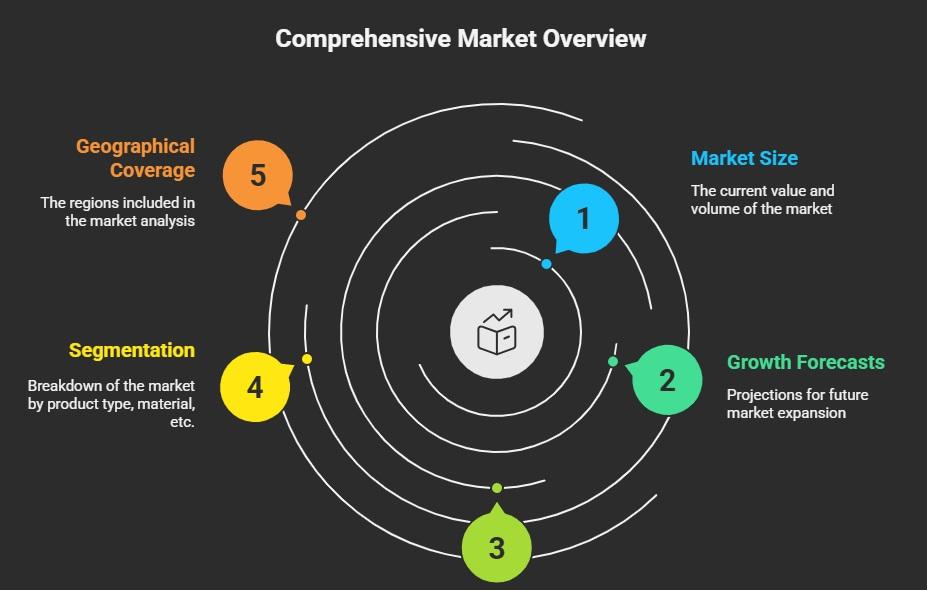
The Fresh Food Packaging Market is experiencing robust demand as global food supply chains evolve to meet changing consumer preferences, sustainability mandates, and safety requirements. Fueled by rising consumption of fresh produce, dairy, meat, and convenience foods, this market is projected to witness significant expansion between 2025 and 2031.
According to recent industry estimates, the global fresh food packaging market was valued at approximately USD 91,803.36 million in 2024 and is expected to expand to around USD 143,700 million by 2031, reflecting a compound annual growth rate (CAGR) of 6.6% from 2025 to 2031. These projections indicate an accelerated adoption of innovative packaging solutions that preserve freshness and extend shelf life while supporting sustainability goals.
Market Size & Forecast
To put the growth into perspective:
This growth trajectory highlights an expanding opportunity for packaging manufacturers, suppliers, and brands that cater to fresh food segments such as fruits & vegetables, dairy products, meat, and seafood.
Key Drivers of Market Growth
The Fresh Food Packaging Market is being propelled by several macro and micro trends shaping the global food industry:
1. Shift Toward Fresh & Healthy Eating
Consumers are increasingly prioritizing fresh, nutritious food over processed alternatives, driving demand for packaging that maintains product integrity, hygiene, and shelf life. This translates into higher uptake of modified atmosphere packaging (MAP), vacuum packs, and resealable formats.
2. E-Commerce & Home Delivery Expansion
The growth of online grocery and meal delivery platforms has heightened the need for reliable packaging that protects perishable foods during transit, encouraging investments in robust packaging solutions.
3. Sustainability and Regulatory Pressure
Environmental concerns are pushing brands to adopt eco-friendly materials such as recyclable plastics, paperboard, and biopolymers. Major economies are introducing regulations to reduce plastic waste, influencing fresh food packaging innovation.
4. Technological Innovations
Smart packaging technologies—such as freshness indicators, RFID tracking, and active barrier solutions—are enhancing food safety and supply chain transparency, making packaging a value-added service rather than just a container.
Segmentation Insights
The market landscape can be segmented across multiple dimensions:
By Material
Plastic accounts for over 40%+ of fresh food packaging material share in 2024 due to its versatility, even as sustainability trends boost alternatives.
By Packaging Type
Rigid solutions hold a substantial portion of current packaging formats, though flexible options are rapidly innovating with resealable and user-friendly designs.
By Application
Regional Landscape
Regionally, Asia-Pacific stands as the largest market, capturing significant share due to increased consumption of fresh foods and expansion of retail networks. Other regions like North America and Europe also contribute strong growth, driven by advanced supply chains and sustainability regulations.
Market Challenges & Opportunities
Challenges
Opportunities
Strategic Imperatives for Businesses
For companies operating in the Fresh Food Packaging Market:
Conclusion
The Fresh Food Packaging Market is on a high-growth trajectory, underpinned by consumer demand for freshness, regulatory shifts toward sustainability, and innovations in packaging technology. With a projected CAGR of 6.6% from 2025 to 2031 and robust market expansion from approximately USD 91.8 billion in 2024 to an estimated USD 143.7 billion in 2031, the sector presents compelling opportunities for investors, manufacturers, and brand owners ready to innovate and scale.