English
 Arabic
 French
 Spanish
 Portuguese
 Deutsch
 Turkish
 Dutch
Dutch
 Italiano
 Russian
 Romaian
 Portuguese (Brazil)
 Greek
Greek
Redefining Everyday Hoodie Wear
Shopping |
2026-02-19 07:48:48
In the landscape of modern online role-playing games, Fallout 76 offers a distinctive take on the post-nuclear experience. Rather than presenting a world frozen in despair, it introduces an environment filled with uncertainty, opportunity, and gradual rebirth. Players step into Appalachia not as lone wanderers destined to save the world, but as survivors among many, each contributing in small ways to the shape of the wasteland.
The setting plays a vital role in establishing this tone. Appalachia is lush, mountainous, and strangely beautiful despite the devastation scattered across it. Forests overtake broken highways, and wildlife roams through once-busy towns. This contrast between natural beauty and human ruin creates a powerful atmosphere. Exploration becomes more than a mechanical task; it is an emotional journey through remnants of ordinary lives abruptly cut short. Notes, recordings, and environmental details quietly tell stories of fear, hope, and resilience without forcing a single narrative path.
Survival mechanics ensure that the world always feels dangerous. Food, water, radiation exposure, and equipment condition require constant attention. These systems encourage thoughtful decision-making and reward preparation. Venturing into unfamiliar territory without supplies can quickly turn disastrous, while careful planning creates confidence and momentum. Crafting is deeply integrated into this loop, turning scavenged junk into tools of survival. Each improvement feels earned, reinforcing the theme of rebuilding from scraps.
What truly separates Fallout 76 from earlier entries in the series is its shared world. Other players are a constant presence, transforming the wasteland into a social space rather than a solitary one. Encounters are unscripted and varied. Some are cooperative, forged in the middle of intense combat or shared objectives, while others are brief and quiet. Even a simple wave exchanged between strangers adds a human touch to the environment, reminding players that they are not alone in their struggle.
Player-built camps further reinforce this sense of presence and creativity. These camps act as shelters, workshops, and personal statements. Some focus on efficiency and defense, while others emphasize comfort or visual design. Spread across the map, they function as subtle signs of renewal, evidence that people are not just surviving, but attempting to create stability and meaning in a broken world.
Combat balances tension with strategy. Enemies range from mutated creatures to remnants of advanced technology, each demanding different tactics. Limited resources discourage reckless fighting, making positioning, preparation, and awareness essential. Larger encounters often push players toward cooperation, transforming danger into a shared test and success into a collective victory.
As updates expand the game over time, the world continues to change. New stories, challenges, and locations add depth, making the wasteland feel alive rather than static. This evolving structure reinforces the idea that recovery is gradual and shaped by participation.
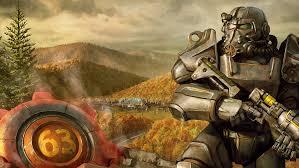 Fallout 76 Items is about life after collapse. Through exploration, cooperation, and creativity, it presents a vision of a world where humanity is fragile but persistent. In the quiet moments between battles and the shared triumphs over danger, the game suggests that even after devastation, the possibility of renewal remains.