English
 Arabic
 French
 Spanish
 Portuguese
 Deutsch
 Turkish
 Dutch
Dutch
 Italiano
 Russian
 Romaian
 Portuguese (Brazil)
 Greek
Greek
Eyelid Surgery for Women Over 50: Elegant Eye Enhancement Guide
Health |
2026-03-19 06:43:16
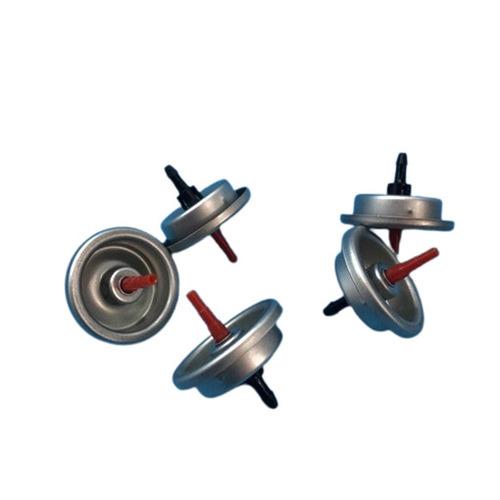
When shelf appeal and product integrity matter as much as formulation choices the small details inside the package become decisive. The Bluefire Aerosol Can Valve anchors performance for many cosmetic brands because its interaction with the container and the liquid determines whether a product feels premium or fragile. Barrier properties are central to that relationship since they control what moves between the product and the outside world and how the product ages from manufacture to the consumer bathroom shelf.
Barrier performance starts by preventing unwanted exchange. For cosmetics that means stopping air moisture and trace contaminants from altering texture scent or color. When a container allows subtle migration the result can be a shifted fragrance a change in feel or a discoloration that undermines consumer confidence. Barrier choices are therefore a core part of formulation planning and packaging selection rather than an afterthought.
Public attention to product safety and supply chain reliability has made barrier selection a timely concern for brand managers. Conversations around sustainable sourcing and chemical stewardship highlight how barrier layers interact with recycling systems and with evolving regulatory expectations. Companies that prepare barrier strategies now find they can respond to changing retail requirements more quickly and keep complaints from growing into public disputes.
Material interactions also shape sensory experience. Some barrier layers preserve volatile ingredients while others protect delicate pigments and emollients. That technical interplay affects what a customer experiences during the first use and long after purchase. A container that protects the formulation preserves the intended scent intensity coverage and general performance readers of social reviews often cite these qualities when they praise or criticize products.
Compatibility with dispensing hardware matters just as much. The way a valve mates with the container surface and with internal coatings can create friction points where adhesives fail or where small leaks form. When a valve and the container finish are selected together the combined system resists separation stresses during filling and transport. Packaging teams that consider valve and barrier together reduce the risk of returns tied to leakage or inconsistent dispensing.
Testing under realistic conditions separates promising concepts from field ready packaging. Simulated aging tests exposure to heat and cold and cycles of actuation help reveal whether barrier performance holds when the product is pressed into everyday use. Routine compatibility checks with the actual formula including perfumes and actives prevent surprises when a batch reaches distribution. Those checks are the practical backbone of reliable launches and sustain consumer trust.
Decoration and barrier choices can coexist when planned deliberately. Cosmetic brands rely on vibrant artwork and tactile finishes to communicate story and value. Smooth internal barriers and consistent external finishes both help printing and varnish adhere without flaking. This alignment preserves shelf presence through handling and transit and reduces cosmetic rejections that slow product flow to market.
Sustainability conversations influence barrier strategy too. Materials that protect formulations while fitting into circular systems lower long term processing complexity. Some barrier approaches reduce the need for additional inner liners which can simplify recycling. Procurement that balances formulation protection with end of life handling avoids sudden rework when retail partners update their sustainability criteria.
Traceability and documentation minimize cost if a product question arises. Clear batch marking and component records let teams trace a cosmetic issue to a specific assembly run or material lot rather than issuing broad recalls. That containment approach reduces disruption and signals careful quality practice to retail partners and regulators. Detailed records also smooth the path for corrective actions that restore consistent barrier performance.
Operational realities make a difference. A container that maintains barrier integrity through vibration and stacking reduces product losses and handling touch points. Efficient packaging that resists denting and maintains a secure valve attachment lowers the chance of damage during distribution which translates into fewer returns and less waste in the system.
Consumer perception is the final arbiter. A product that opens with a fresh scent maintains even color and dispenses consistently supports positive reviews and repeat purchases. When barrier selection preserves the sensory promise of a cosmetic it protects the brand story and the effort that went into formulation and marketing.
Working with suppliers who treat barrier performance as an integrated system makes qualification smoother. Partners that share testing protocols material certificates and images of assembly processes help brands match barrier options to product needs. Those collaborations shorten development cycles and reduce uncertainty when scaling from small batches to full production.
In a market where attention to safety sustainability and user experience is rising, barrier properties are not a technical sideline. They are essential to keeping a product faithful to its promise from filling to final use. Brands that prioritize barrier planning early avoid costly last minute changes and protect the relationship between product and consumer. For a look at valve options and technical materials that support careful barrier selection visit the manufacturer product pages at https://www.bluefirecans.com/product/ .