English
 Arabic
 French
 Spanish
 Portuguese
 Deutsch
 Turkish
 Dutch
Dutch
 Italiano
 Russian
 Romaian
 Portuguese (Brazil)
 Greek
Greek
Is U4N Legit for Forza Horizon 5 Credits?
Games |
2025-12-24 01:23:25
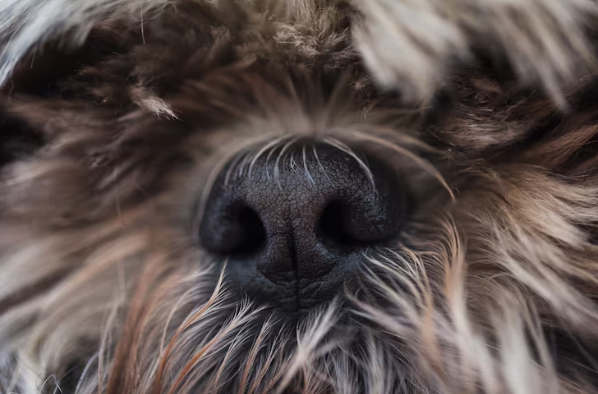
Dogs are more than just pets; they are loyal companions, family members, and cherished friends. For some pet owners, the bond with their dog is so deep that the thought of parting is unbearable. This has led to the growth of a unique and specialized field known as dog taxidermy, a practice that allows owners to preserve the memory of their beloved dogs in a tangible and lasting form.
What Is Dog Taxidermy?
Dog taxidermy is the art and science of preserving a dog’s body after death so that it appears lifelike. Unlike traditional taxidermy performed on wild animals, dog taxidermy is deeply personal and often commissioned by pet owners who wish to honor their dog’s memory. The process involves meticulous preparation, including cleaning, skin preservation, mounting, and sometimes reconstructive techniques to ensure the dog’s personality and appearance are captured faithfully.
While taxidermy may initially evoke discomfort for some, dog taxidermy is often viewed as an expression of love and remembrance. For many pet owners, it provides a sense of comfort and a tangible way to keep their dog close even after death.
The History of Dog Taxidermy
The concept of preserving pets is not new. In Victorian times, it was not uncommon for wealthy families to have taxidermists create lifelike representations of their pets, particularly dogs. These preserved pets were often displayed in homes as a symbol of loyalty and love. Over time, the practice became more refined, with advancements in taxidermy techniques making it possible to capture more accurate and lifelike representations of animals.
Today, dog taxidermy has evolved to include a variety of styles, from fully mounted lifelike statues to smaller, more symbolic keepsakes such as paw prints and memory frames. This evolution reflects a shift in cultural attitudes toward pets, recognizing them as integral members of the family whose memories deserve careful preservation.
The Process of Dog Taxidermy
Creating a lifelike dog taxidermy piece is both an art and a science. Here’s a step-by-step overview of what the process typically entails:
The entire process can take several weeks to months depending on the size of the dog, the complexity of the pose, and the level of detail desired.
Types of Dog Taxidermy
Dog taxidermy is not a one-size-fits-all process. Different approaches cater to varying preferences and budgets:
Ethical Considerations in Dog Taxidermy
Dog taxidermy is not without controversy. Critics may view it as macabre or unsettling. However, most ethical taxidermists emphasize that all work is performed posthumously with consent from the pet owner and with a deep respect for the animal. The goal is not to shock but to honor and memorialize the dog.
It is crucial for pet owners considering dog taxidermy to work with experienced, reputable professionals who follow ethical guidelines. This ensures the process is handled respectfully and that the resulting mount is of high quality.
Emotional Impact of Dog Taxidermy
The decision to pursue dog taxidermy is often driven by grief and the desire to preserve a beloved companion. For many, it offers a sense of solace during a difficult time. Seeing the lifelike representation of their dog can evoke comforting memories and provide an ongoing connection that helps with the grieving process.
Some psychologists suggest that memorializing pets through dog taxidermy can be a healthy way to cope with loss. It allows owners to celebrate the life of their dog, focus on cherished memories, and maintain a visible reminder of the bond they shared.
Choosing a Dog Taxidermist
When considering dog taxidermy, it is essential to choose a skilled professional who understands both the technical and emotional aspects of the work. Look for taxidermists who specialize in pets, have positive reviews, and can provide examples of previous work.
A good taxidermist will communicate openly about what is possible, provide guidance on poses and expressions, and respect the emotional nature of the project. Many also offer aftercare instructions and display suggestions to ensure the mount remains in excellent condition for years to come.
Conclusion
Dog taxidermy is more than a preservation technique; it is a celebration of life, loyalty, and love. For those who have lost a cherished companion, it offers a tangible way to honor their memory and keep a part of them close. While it may not be for everyone, for those who choose it, dog taxidermy provides comfort, beauty, and a lasting tribute to the enduring bond between humans and their canine companions.
Through careful artistry, ethical practice, and attention to detail, dog taxidermy transforms grief into a lasting memorial—a testament to the love and devotion shared with man’s best friend. Whether displayed in the home or kept as a cherished keepsake, these lifelike representations ensure that the memory of a beloved dog lives on forever.