English
 Arabic
 French
 Spanish
 Portuguese
 Deutsch
 Turkish
 Dutch
Dutch
 Italiano
 Russian
 Romaian
 Portuguese (Brazil)
 Greek
Greek
Reliable Office Movers Rockdale for Efficient Business Relocation
Other |
2026-02-09 18:55:14
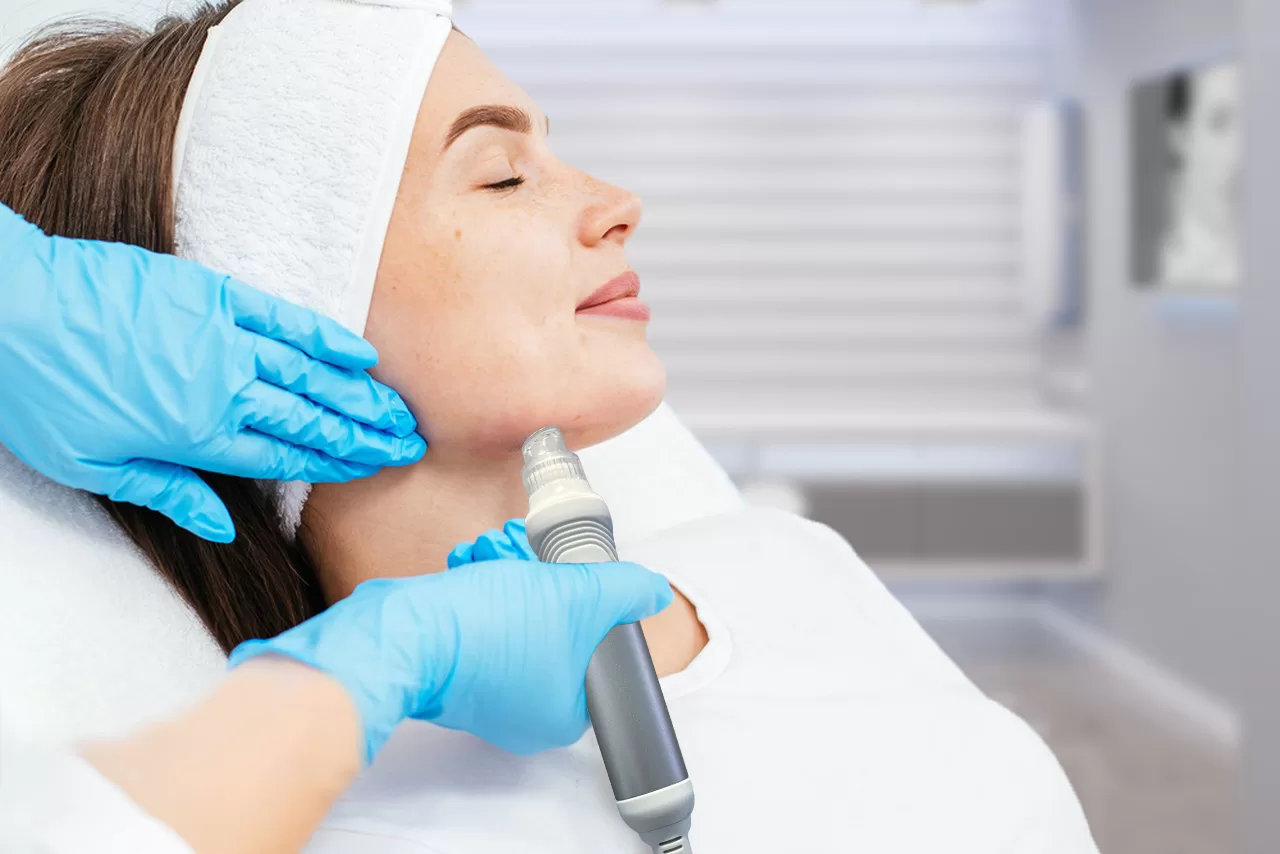
When it comes to professional skincare treatments, clients often compare HydraFacial and microdermabrasion to determine which option provides superior results for smoother, healthier, and more radiant skin. Both treatments aim to improve skin texture, unclog pores, and promote a glowing complexion, but they work in fundamentally different ways. A Hydrafacial Treatment combines cleansing, exfoliation, extraction, and hydration in a single session, while microdermabrasion primarily focuses on physical exfoliation. Understanding their mechanisms, benefits, and outcomes can help clients choose the treatment that aligns with their skin goals.
The primary distinction between HydraFacial and microdermabrasion lies in how each method works on the skin.
HydraFacial uses a patented vortex technology to cleanse, exfoliate, extract impurities, and infuse nourishing serums simultaneously
Microdermabrasion relies on a mechanical exfoliation process using fine crystals or a diamond tip to remove dead skin cells
HydraFacial delivers hydration and antioxidant protection in addition to exfoliation
Microdermabrasion focuses on resurfacing and improving texture without serum infusion
Understanding the mechanisms helps clients identify which treatment better addresses their specific skin concerns.
Both treatments aim to smooth the skin, but their effectiveness varies based on skin type and concerns.
HydraFacial improves texture through gentle exfoliation and continuous hydration
Microdermabrasion removes rough, dead skin layers but may not address underlying dehydration
HydraFacial’s infusion of peptides and antioxidants supports long-term skin health
Microdermabrasion can temporarily smooth the surface but requires additional hydration afterward
For clients seeking both immediate smoothness and ongoing skin health, HydraFacial may offer superior results.
Even and radiant skin tone is a priority for many clients, and both treatments contribute differently.
HydraFacial brightens skin by combining exfoliation with nutrient-rich serums
Microdermabrasion improves tone primarily through mechanical exfoliation
HydraFacial addresses dullness, pigmentation, and oxidative stress in one session
Microdermabrasion may need additional treatments like chemical peels for comparable brightening effects
HydraFacial provides a more comprehensive approach to achieving an even, glowing complexion.
Hydration plays a crucial role in skin health and maintaining results after professional treatments.
HydraFacial infuses hyaluronic acid and moisturizing serums to restore moisture levels
Microdermabrasion does not provide hydration and may temporarily leave skin dry
Post-microdermabrasion, additional moisturizers or serums are required for optimal results
HydraFacial supports plump, soft skin immediately after the session
For clients prioritizing hydration along with exfoliation, HydraFacial offers a clear advantage.
Skin sensitivity often determines which treatment is appropriate for a client.
HydraFacial is gentle and non-invasive, making it suitable for sensitive or reactive skin
Microdermabrasion can cause irritation, redness, or discomfort for delicate skin types
HydraFacial’s customizable boosters allow treatment adjustments for individual sensitivity
Microdermabrasion intensity cannot be adjusted as precisely and may not suit all clients
Those with sensitive skin may benefit more from HydraFacial due to its gentle yet effective approach.
Downtime is an important factor for clients with busy schedules or upcoming events.
HydraFacial provides immediate results with minimal redness or irritation
Microdermabrasion can cause temporary redness, flaking, or sensitivity post-treatment
HydraFacial allows clients to resume daily activities immediately
Microdermabrasion may require a few days for the skin to recover fully
HydraFacial’s low downtime makes it convenient for regular maintenance and social schedules.
Both treatments offer ways to target specific skin concerns, but customization differs.
HydraFacial allows for tailored serums to address acne, pigmentation, fine lines, or sensitive skin
Microdermabrasion primarily targets texture and minor scarring but lacks serum-based customization
HydraFacial can combine boosters for hydration, anti-aging, or brightening needs
Microdermabrasion may need complementary treatments to achieve similar targeted results
HydraFacial offers more versatility in addressing a wider range of skin concerns in a single session.
Consistency is key for maintaining skin health, and the two treatments differ in long-term results.
HydraFacial supports skin hydration, barrier health, and antioxidant protection over time
Microdermabrasion improves texture but requires ongoing sessions with additional hydration or treatments
Regular HydraFacial sessions contribute to cumulative improvements in texture, tone, and overall radiance
Microdermabrasion primarily maintains surface smoothness without enhancing deeper skin health
For long-term maintenance of healthy, radiant skin, HydraFacial provides a more comprehensive approach.
Choosing the right treatment depends on individual skin goals and type.
HydraFacial is suitable for all skin types, including sensitive, acne-prone, or aging skin
Microdermabrasion is best for individuals seeking surface exfoliation and minor texture improvements
HydraFacial offers versatility for hydration, anti-aging, and brightening in addition to exfoliation
Microdermabrasion may be part of a broader regimen when combined with other treatments
Assessing skin goals, sensitivity, and desired outcomes helps determine the most suitable option.
HydraFacial and microdermabrasion both provide professional solutions for improving skin texture and appearance, but their scope and benefits differ significantly. A Hydrafacial Treatment combines cleansing, exfoliation, extraction, hydration, and customizable serums to address multiple concerns in one session, making it highly versatile and suitable for sensitive skin. Microdermabrasion focuses on mechanical exfoliation to smooth surface texture but requires additional treatments for hydration or brightening. For clients seeking comprehensive results, minimal downtime, and long-term skin health, HydraFacial often delivers superior outcomes while offering a more comfortable and customizable experience. Regular sessions combined with proper home care ensure smoother, brighter, and healthier skin over time.