English
 Arabic
 French
 Spanish
 Portuguese
 Deutsch
 Turkish
 Dutch
Dutch
 Italiano
 Russian
 Romaian
 Portuguese (Brazil)
 Greek
Greek
Junk Car Removal RI – Get Instant Cash for Old Cars
Other |
2026-02-25 19:12:27
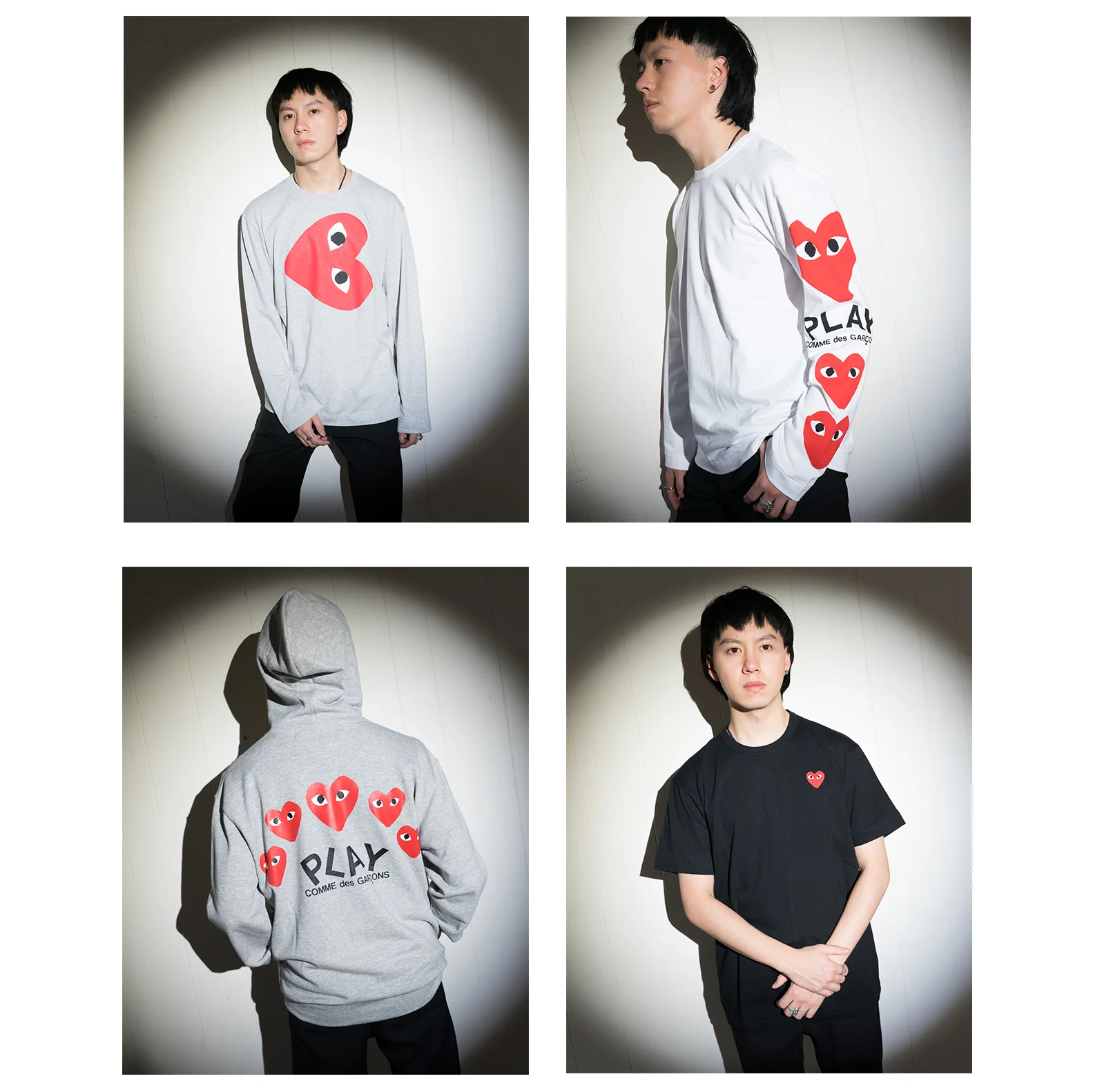
Comme des Garçons is not just a fashion label—it is a movement that reshaped the global fashion industry. Founded in Tokyo in 1969 by visionary designer Rei Kawakubo, Comme des Garçons (often abbreviated as CDG) has continuously challenged traditional definitions of beauty, structure, and luxury. Known for its experimental silhouettes, monochromatic palettes, and intellectual design philosophy, the brand stands as one of the most influential fashion houses in modern history.
In today’s fashion landscape—where originality, authenticity, and brand storytelling matter more than ever—Comme des Garçons remains a powerful example of creative independence and disruptive innovation.
Comme des Garçons, which translates from French to “like boys,” was officially established as a company in 1973 in Tokyo. By 1981, the brand made its Paris debut, forever altering the Western fashion scene.
When Rei Kawakubo presented her first collection in Paris, critics were shocked. The predominantly black garments, distressed fabrics, asymmetrical tailoring, and unconventional silhouettes comedesgarcon contrasted sharply with the glamour-driven aesthetic dominating fashion at the time. Some critics labeled the look “Hiroshima chic,” yet the controversy only amplified the brand’s influence.
Instead of designing to please, Kawakubo designed to question. She rejected conventional beauty standards and introduced fashion as conceptual art.
At the heart of Comme des Garçons is Rei Kawakubo’s radical vision. Unlike many designers who prioritize wearability or trends, Kawakubo approaches fashion as an exploration of form and emotion.
Her philosophy centers around:
Imperfection over symmetry
Deconstruction over traditional tailoring
Black as a foundation of expression
Silhouettes that challenge the human body’s natural shape
Kawakubo has often stated that she creates “clothes that have never existed before.” This dedication to originality aligns perfectly with modern values of innovation and authenticity.
The brand’s breakthrough came in Paris in the early 1980s. While European fashion houses focused on structured elegance and luxury embellishments, Comme des Garçons presented raw edges, oversized shapes, and anti-fashion statements.
Paris became the brand’s global stage. Today, Comme des Garçons continues to present collections during Paris Fashion Week, reinforcing its presence among the world’s most prestigious fashion houses.
Over the decades, Comme des Garçons expanded beyond its original line. The brand now operates multiple sub-labels and collaborations that cater to different markets while preserving its avant-garde DNA.
Recognizable by its iconic heart logo with eyes, designed by Polish artist Filip Pagowski, CDG PLAY offers more casual, accessible pieces such as T-shirts, cardigans, and sneakers.
Focused on menswear, this line blends classic tailoring with subtle experimental touches.
An exploration of black in its purest and most sophisticated form.
Founded by Rei Kawakubo in 2004, Dover Street Market is a high-end retail concept that merges fashion, art installations, and curated luxury brands under one roof. With locations in cities like London, Tokyo, and New York, it has become a global fashion destination.
Comme des Garçons has collaborated with numerous global brands, redefining how luxury and streetwear intersect.
One of its most notable partnerships is with Nike, producing avant-garde reinterpretations of classic sneakers. Another groundbreaking collaboration is with Converse, particularly the CDG PLAY Chuck Taylor sneakers featuring the signature heart logo.
These collaborations expanded CDG’s audience while maintaining its artistic credibility.
Rei Kawakubo’s impact on fashion was officially recognized in 2017 when the Metropolitan Museum of Art honored her with a solo exhibition titled “Rei Kawakubo/Comme des Garçons: Art of the In-Between.” This was a rare distinction, as only a handful of living designers have received such recognition.
The exhibition highlighted Kawakubo’s ability to blur the lines between art and fashion, reinforcing her legacy as one of the most important designers of our time.
Comme des Garçons is often associated with “anti-fashion,” yet it consistently sets trends. The brand’s exaggerated proportions, layered constructions, and sculptural garments have influenced countless designers and luxury houses.
Key aesthetic elements include:
Oversized tailoring
Deconstructed seams
Conceptual runway presentations
Monochrome foundations
Sculptural, architectural shapes
Rather than following seasonal trends, CDG collections explore themes such as duality, absence, rebellion, and reconstruction.
Though rooted in high fashion, Comme des Garçons significantly influenced global streetwear. The PLAY line’s recognizable heart logo became a status symbol in urban fashion scenes worldwide.
Collaborations with sneaker brands and limited-edition drops bapeape.us created hype-driven demand long before the modern streetwear boom dominated fashion culture.
CDG proved that conceptual fashion could coexist with commercial appeal.
Comme des Garçons operates flagship stores in Tokyo, Paris, London, and New York. Each retail space reflects the brand’s experimental ethos, often featuring unconventional layouts and artistic installations.
The brand avoids mass-market distribution, preserving exclusivity and creative integrity. Limited production runs and controlled retail partnerships enhance its prestige.
In an era of fast fashion and algorithm-driven trends, Comme des Garçons stands out for its authenticity and independence. The brand does not design for social media approval or short-term hype cycles.
Instead, it continues to:
Prioritize artistic vision over commercial pressure
Challenge gender norms in fashion
Redefine beauty standards
Maintain strict creative control
This commitment to originality aligns with the modern consumer’s desire for meaningful and enduring design.
Rei Kawakubo’s refusal to conform has cemented her status as one of the most influential designers in fashion history. Unlike many luxury brands driven by heritage marketing, Comme des Garçons thrives on evolution and reinvention.
Her work has inspired generations of designers to question tradition and create boldly.
Comme des Garçons represents the intersection of fashion, art, and philosophy. From its disruptive Paris debut to its global retail empire and cultural collaborations, the brand continues to challenge conventional fashion norms.
Whether through avant-garde runway pieces or the accessible CDG PLAY collection, Comme des Garçons maintains a delicate balance between conceptual innovation and wearable design.