English
 Arabic
 French
 Spanish
 Portuguese
 Deutsch
 Turkish
 Dutch
Dutch
 Italiano
 Russian
 Romaian
 Portuguese (Brazil)
 Greek
Greek
Bread Paper Bags: Customized Bags To Package Your Bakery
Other |
2026-02-23 06:10:21
In major urban markets where digital attention is scarce and competition for impressions is relentless, advertisers are turning toward performance driven channels that were once considered niche. One of the fastest growing categories today is Online Dating Ads, a space that quietly delivers high intent audiences, longer session times, and measurable engagement. At the same time, formats such as contextual personal listings and relationship focused placements similar to Mature Personal Ads are expanding the inventory pool for brands that want both scale and precision.
For advertisers focused purely on results, this shift is not surprising. Dating environments capture users when they are emotionally attentive, actively scrolling, and ready to interact. That combination is rare in most digital media today.
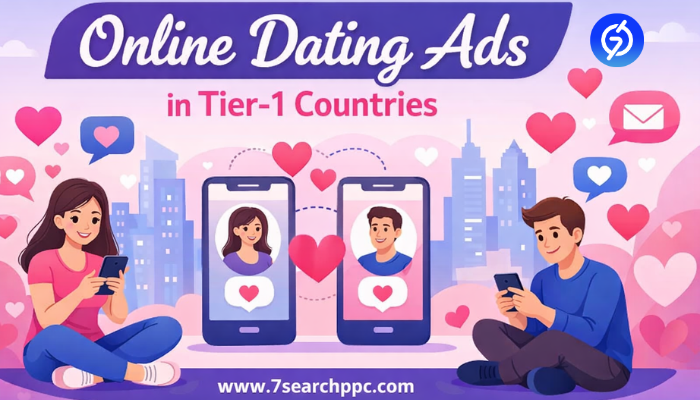
In Tier one countries like the United States, the United Kingdom, Canada, and Australia, the average cost per click across mainstream social platforms keeps rising while attention spans keep shrinking. Many advertisers are paying premium rates for distracted audiences who scroll past ads in seconds.
Dating apps and sites break this pattern.
Users stay longer. They browse profiles. They read messages. They return multiple times per day. This behavior produces natural ad visibility that traditional feeds struggle to replicate. From an advertising perspective, that is prime real estate. Brands running Online Dating Ads are not just buying impressions. They are buying moments of focus.
Recent campaign data from several Ad Platforms shows higher click through rates and better conversion metrics compared with generic display networks. For performance marketers, that difference is enough to rethink budget allocation.
Despite the opportunity, many advertisers hesitate.
The common challenge is predictability. Dating inventory used to feel fragmented. Traffic quality varied. Compliance rules seemed unclear. And scaling dating ad campaigns across regions felt risky compared with established channels.
As a result, brands often defaulted to saturated environments like social or search where costs kept increasing but results plateaued.
The irony is that the same advertisers complaining about expensive impressions were ignoring audiences that were actively seeking connection and interaction. That is exactly the behavior most ad buyers hope to capture.
Here is the perspective experienced media buyers learn quickly. Dating environments are not passive browsing spaces. They are intent driven spaces.
Users are not half watching videos or multitasking. They are making decisions. They are reading. They are responding. This means ads placed inside these ecosystems receive more cognitive attention.
When advertisers Buy Dating Traffic through well managed networks, they are essentially accessing a user mindset that is already action oriented. That is why Online Dating Ads often outperform broader display formats.
The key is not treating dating traffic as cheap inventory. It should be treated as high intent traffic with proper targeting and creative strategy.
Tier one markets bring unique advantages.
Higher disposable income supports subscription based dating apps. Larger metropolitan populations create dense user bases. And mature digital payment behavior makes conversions smoother.
From an advertising lens, this means campaigns can scale quickly without sacrificing quality.
Brands running dating ads in cities like New York, London, or Sydney often see stronger lifetime value metrics. Dating Service Marketing in these regions benefits from better demographics data and more stable performance signals. That stability gives media planners the confidence to allocate larger budgets.
As a result, Online Dating Ads are no longer experimental. They are becoming a planned line item.
Success with dating ad campaigns depends heavily on format selection.
Native placements blend naturally into profile feeds. Push notifications create immediate visibility. Banner placements support broad reach. In app interstitials capture full attention for short bursts.
Each format serves a different purpose.
Native dating ads work well for storytelling and soft offers. Push Advertising excels at urgency based promotions. Casual encounter ads and contextual placements support direct response goals. A strong Hookup Ad Platform may also offer behavioral segmentation that improves conversion accuracy.
Advertisers who mix these approaches tend to see the most consistent returns.
This is where Online Dating Ads differ from traditional media. It is not just about placement volume. It is about matching creative tone with user intent.
Many campaigns fail because the messaging feels out of place.
Dating environments are personal spaces. Hard selling feels intrusive. Subtle value driven messages perform better.
A soft approach works. Lifestyle benefits. Time saving solutions. Emotional resonance. These themes align with the mindset of someone browsing matches or chatting.
For example, fintech brands highlight convenience. Travel brands focus on experiences. Wellness brands emphasize self improvement. The ad does not interrupt the environment. It complements it.
When done correctly, Online Dating Ads feel like recommendations rather than promotions.
While youth focused dating apps get most of the attention, there is a powerful segment that advertisers often overlook. Older users.
This is where placements inspired by Mature Personal Ads demonstrate strong performance. These audiences typically have higher purchasing power and clearer buying intent. They respond well to products related to finance, healthcare, travel, and lifestyle services.
Campaigns targeting this segment through mature oriented dating inventory often show better cost per acquisition metrics than youth focused channels.
For advertisers looking to diversify, this segment offers stability and lower competition. It also reinforces why Online Dating Ads should not be viewed as a single demographic play but as a layered media ecosystem.
A common concern around dating ads is brand safety.
However, modern networks provide far more control than before. Whitelisting, contextual filters, creative review systems, and geo targeting make it easier to protect brand integrity.
Experienced Ad Platforms now separate adult content from general dating environments, allowing mainstream brands to participate comfortably.
The real risk today is not brand safety. It is missing a high performing channel because of outdated assumptions.
With proper setup, Online Dating Ads can meet the same compliance standards as any major digital network.
Performance marketers appreciate channels they can measure clearly.
Dating inventory offers straightforward metrics such as click through rate, conversion rate, and engagement time. Many networks also provide device level and behavior segmentation, allowing precise optimization.
Testing becomes easier. Creative rotation is faster. Budgets can be shifted in real time.
When advertisers treat dating push Advertising and native dating ads as performance channels rather than experimental buys, the results compound. Over time, Online Dating Ads become predictable revenue drivers instead of risky tests.
The biggest mistake is scaling too fast without testing.
Dating traffic behaves differently from search or social. Copy needs adaptation. Frequency needs monitoring. User fatigue can appear quickly if creatives repeat too often.
Successful advertisers start small. They test several messages. They identify winning segments. Then they scale.
This disciplined approach turns Online Dating Ads into sustainable growth engines.
The lesson is simple. Smarter placements outperform bigger budgets.
Instead of fighting for overpriced impressions in crowded channels, advertisers can redirect a portion of spend toward focused environments where users are already engaged.
Combining dating ad campaigns with careful targeting, thoughtful creative, and trusted inventory sources often produces better results at lower cost.
It is not about abandoning mainstream media. It is about complementing it.
That balance is why so many brands are now quietly betting on Online Dating Ads.
The advertising landscape keeps evolving, but one principle remains constant. Attention drives performance. Dating environments deliver that attention more consistently than many traditional digital spaces. When paired with responsible targeting and the right technology partners, Online Dating Ads provide both reach and relevance.
For advertisers exploring scalable, high intent inventory, leveraging trusted Native Ad Platforms alongside dating ecosystems can unlock even better distribution and control. The combination of native strategy and dating traffic offers a practical, measurable path forward without inflating budgets.
Brands that understand this early will not just follow the trend. They will shape it.
Ans. They reach users who are actively engaged and spending more time on the platform. This increases attention, improves click through rates, and often leads to better conversion performance compared with passive browsing environments.
Ans. Yes. Many industries such as finance, travel, wellness, and ecommerce perform well because the audience is attentive and open to discovery, not just relationship services.
Ans. Begin with small budgets, use trusted Ad Platforms, test multiple creatives, and monitor frequency and targeting closely before scaling.
Ans. Often they do. Older demographics typically have higher purchasing power and respond strongly to practical offers, making these segments valuable for performance focused advertisers.
Ans. They should complement them. Dating traffic works best as an additional channel that captures high intent users and balances overall acquisition costs rather than replacing existing media entirely.