English
 Arabic
 French
 Spanish
 Portuguese
 Deutsch
 Turkish
 Dutch
Dutch
 Italiano
 Russian
 Romaian
 Portuguese (Brazil)
 Greek
Greek
Sweetrich Smart Scooters Merging Comfort, Efficiency, and Green Technology
Other |
2025-10-29 07:57:54
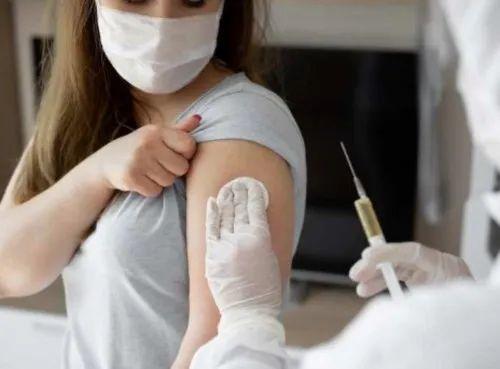
Administering medications at home requires careful preparation and adherence to safety protocols to protect patients and healthcare providers. Injection at home can be a convenient and effective alternative to clinic visits, but it must be done with meticulous attention to detail to prevent errors, infections, or adverse reactions. Following a comprehensive safety checklist before administering injections ensures proper technique, patient comfort, and successful outcomes while maintaining professional standards and legal compliance.
Before giving an injection, confirming the patient’s identity and reviewing their medical background is essential. Key steps include:
Confirming the patient’s full name and date of birth
Reviewing allergies and previous reactions to medications
Checking current medications to avoid drug interactions
Assessing pre-existing conditions that may affect injection safety
Documenting any special considerations or precautions for the visit
Verifying patient information prevents errors and ensures that the injection is appropriate and safe.
Proper preparation of medications and tools is crucial for accuracy and safety. Key considerations include:
Selecting the correct medication and verifying the expiration date
Using sterile, single-use syringes and needles
Preparing the correct dosage according to the prescription
Assembling all required equipment before starting the procedure
Keeping extra supplies on hand in case of mishaps or multiple injections
Thorough preparation ensures that the injection is administered accurately and efficiently.
Preventing contamination is critical in home injections to reduce the risk of infection. Key hygiene practices include:
Washing hands thoroughly before handling equipment
Wearing disposable gloves during the procedure
Cleaning the injection site with alcohol swabs or antiseptic solutions
Avoiding contact between the needle and non-sterile surfaces
Properly disposing of used syringes, needles, and medical waste in puncture-resistant containers
Maintaining sterility protects both the patient and the healthcare provider from infections.
Selecting the correct site for injection ensures medication effectiveness and minimizes complications. Key factors include:
Following medical guidelines for intramuscular, subcutaneous, or intravenous injections
Rotating sites for repeated injections to prevent tissue damage
Avoiding areas with infection, inflammation, or scarring
Assessing the patient’s body type and muscle mass for proper needle placement
Marking or preparing the site for precision before injection
Proper site selection reduces pain, prevents complications, and maximizes therapeutic benefit.
Patient comfort and proper positioning are vital for a smooth injection experience. Key considerations include:
Explaining the procedure to the patient to reduce anxiety
Positioning the patient in a relaxed and stable posture
Supporting limbs if necessary to ensure safety and stability
Using pillows or cushions for additional comfort during administration
Providing reassurance throughout the procedure
Comfortable positioning enhances patient cooperation and decreases the likelihood of movement-related errors.
Following correct injection techniques and safety protocols is critical for effective administration. Key steps include:
Verifying the needle length, gauge, and angle of insertion for the medication type
Administering the injection slowly and steadily to minimize discomfort
Observing aseptic technique throughout the procedure
Avoiding air bubbles in the syringe for intravenous or intramuscular injections
Following organizational or regulatory protocols for home injection practices
Adhering to proper techniques ensures accurate delivery and reduces risks of complications.
Even with careful preparation, adverse reactions can occur during or after injections. Key monitoring practices include:
Observing for redness, swelling, or bruising at the injection site
Checking for systemic reactions such as dizziness, nausea, or allergic responses
Maintaining immediate access to emergency medications like epinephrine
Documenting any reactions or patient concerns during and after the injection
Communicating with healthcare providers if reactions require additional intervention
Active monitoring allows prompt response to complications and safeguards patient health.
Proper documentation is essential for legal compliance, continuity of care, and quality assurance. Key documentation steps include:
Recording the medication name, dosage, and route of administration
Noting the injection site and time of administration
Documenting any patient reactions or adverse events
Obtaining patient acknowledgment or consent if required
Maintaining accurate logs for review by primary care providers
Accurate documentation ensures accountability and supports ongoing patient care.
After administering an injection at home, patients should receive guidance to support safety and comfort. Key follow-up measures include:
Advising on proper care of the injection site, including avoiding friction or pressure
Informing patients about potential side effects and how to manage them
Providing instructions for safe disposal of any used supplies if the patient self-administers
Scheduling follow-up visits or check-ins to monitor patient response
Encouraging patients to report any delayed or unusual reactions promptly
Clear guidance reinforces safe practices and encourages adherence to treatment plans.
A thorough safety checklist is essential for ensuring that injection at home is effective, comfortable, and risk-free. By verifying patient identity, preparing equipment, maintaining sterility, selecting the correct site, ensuring comfort, following proper techniques, monitoring reactions, documenting procedures, and providing post-injection guidance, healthcare providers can deliver high-quality care in a home setting. Adhering to these steps not only protects patients but also enhances trust, compliance, and overall satisfaction, making home-based injections a safe and practical alternative to clinic visits.