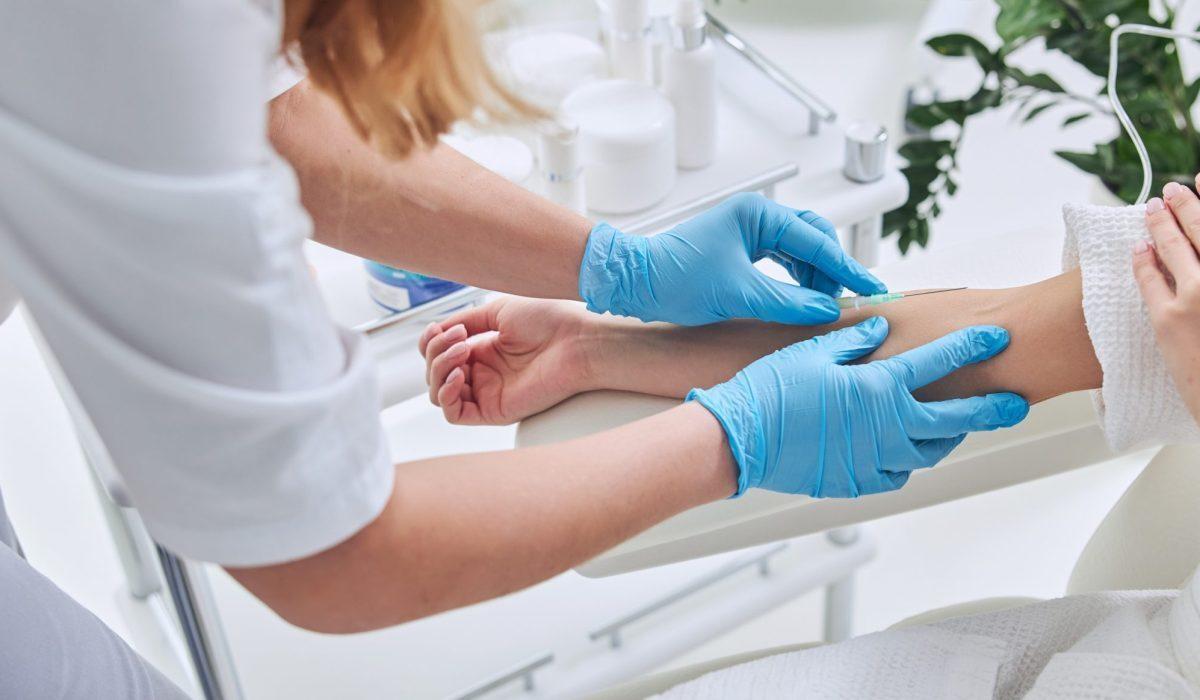
A Blood Test at Home provides the convenience of professional testing without visiting a clinic, offering accurate results in the comfort of your own space. Once the sample has been collected, what happens next can impact both your recovery from the procedure and your understanding of the results. Knowing how to care for yourself after the test, interpret results, and follow up with your healthcare provider ensures the test serves its purpose effectively. Proper post-test actions contribute to better health monitoring and peace of mind.
Care for the Collection Site:
Proper care of the site where blood was drawn is essential to prevent bruising or infection.
-
Apply gentle pressure to the puncture site with a clean cotton ball or gauze
-
Keep the bandage on for at least 30 minutes
-
Avoid heavy lifting or strenuous activity with the affected arm for a few hours
-
Monitor for swelling, redness, or persistent bleeding
-
Apply a cold compress if bruising or discomfort occurs
These steps help ensure quick healing and reduce the risk of complications.
Stay Hydrated and Nourished:
Replenishing fluids and nutrients after a blood test helps restore energy and balance.
-
Drink water or juice to maintain hydration
-
Eat a light snack, especially if fasting was required
-
Include foods rich in iron or protein if frequent blood tests are performed
-
Avoid excessive caffeine or alcohol immediately after the test
-
Maintain a balanced diet to support recovery and overall health
Proper hydration and nutrition help your body recover quickly and stabilize blood sugar levels.
Understand Your Test Results:
Once your results are available, taking time to understand them is crucial.
-
Review the digital or printed report for all test parameters
-
Compare values with reference ranges provided by the lab
-
Note any abnormal or borderline results
-
Keep a record for future comparison and trend analysis
-
Avoid self-diagnosis and consult a healthcare professional for interpretation
Understanding your results ensures you take appropriate steps and prevents unnecessary worry.
Follow Up with Your Healthcare Provider:
Professional guidance is essential for interpreting results and planning next steps.
-
Share the report with your doctor via secure digital platforms
-
Discuss abnormal readings or patterns that may require attention
-
Schedule follow-up appointments if needed
-
Ask about additional tests to confirm or clarify results
-
Implement medical advice regarding medications, lifestyle changes, or further monitoring
Follow-up ensures that your blood test serves as a meaningful tool in managing your health.
Monitor Symptoms and Health Changes:
Your post-test period is an opportunity to track any health changes in relation to your results.
-
Note any unusual fatigue, dizziness, or other symptoms
-
Record changes in diet, exercise, or lifestyle habits
-
Track improvements or deterioration in chronic conditions
-
Observe how interventions recommended by your doctor affect your health
-
Maintain a log to discuss during follow-up consultations
Monitoring symptoms helps link lab results to real-world health changes.
Maintain Privacy and Security of Results:
Blood test results contain sensitive health information that should be handled carefully.
-
Store digital reports in secure, password-protected devices or apps
-
Limit sharing to authorized family members or healthcare providers
-
Avoid posting or transmitting results through unsecured channels
-
Keep physical reports in a safe place for future reference
-
Use encrypted portals provided by your home blood test service for communication
Protecting your health data ensures privacy and prevents unauthorized access.
Continue Preventive Health Measures:
Blood tests at home provide insight, but proactive health habits remain essential.
-
Maintain a balanced diet and regular exercise routine
-
Follow prescribed medications or supplements consistently
-
Schedule routine blood tests as recommended by your healthcare provider
-
Manage stress and sleep patterns for overall wellness
-
Address risk factors identified in your test results proactively
Consistent preventive measures complement the information gathered from your home blood test.
Plan for Future Testing:
Regular monitoring ensures early detection of potential health issues.
-
Follow your doctor’s recommendations for test frequency
-
Schedule periodic blood tests to track trends and changes
-
Keep previous results for comparison over time
-
Adjust lifestyle or treatment plans based on results
-
Use home testing services for convenience and consistency
Planning future testing reinforces proactive healthcare and long-term monitoring.
Educate Yourself About Results:
Knowledge empowers better health decisions and encourages patient engagement.
-
Learn what each parameter in your blood test indicates
-
Understand the significance of normal vs. abnormal readings
-
Recognize patterns over time rather than focusing on a single test
-
Discuss findings with healthcare professionals for clarity
-
Stay informed about how lifestyle and diet impact your results
Educating yourself helps you take ownership of your health and act responsibly based on lab results.
Benefits of Proper Post-Test Practices:
Following appropriate steps after a blood test maximizes its value and supports overall wellness.
-
Promotes faster recovery and reduces risk of complications
-
Enhances understanding of your health status
-
Supports informed decisions regarding diet, lifestyle, and treatment
-
Encourages adherence to preventive and chronic disease management plans
-
Builds confidence in using home testing as a reliable healthcare tool
Proper post-test care ensures your home blood test contributes effectively to your health journey.
Final Thoughts:
A Blood Test at Home provides convenience, accuracy, and safety, but post-test actions are equally important for maximizing its benefits. Caring for the collection site, staying hydrated, understanding your results, consulting your healthcare provider, and monitoring symptoms ensure that the test contributes meaningfully to your health management. By maintaining proper follow-up, securing your medical information, and implementing preventive measures, you can use home blood tests as a reliable tool for proactive and continuous healthcare. These practices transform a simple home test into a comprehensive approach for maintaining and improving overall well-being.
 English
 Arabic
 French
 Spanish
 Portuguese
 Deutsch
 Turkish
 Dutch
Dutch
 Italiano
 Russian
 Romaian
 Portuguese (Brazil)
 Greek
Greek