English
 Arabic
 French
 Spanish
 Portuguese
 Deutsch
 Turkish
 Dutch
Dutch
 Italiano
 Russian
 Romaian
 Portuguese (Brazil)
 Greek
Greek
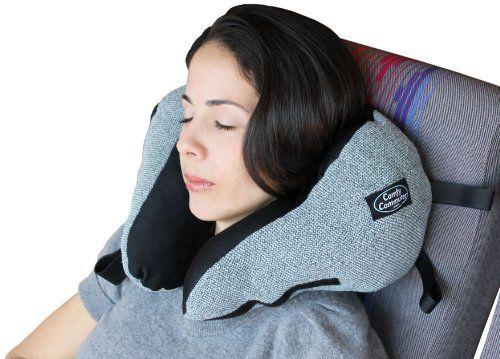
Neck Pillow: A Simple Guide to Comfort, Support, and Better Rest
Other |
2025-12-20 06:03:32

Abrasion resistance is a critical performance attribute in protective motorcycle apparel. It refers to a material’s ability to withstand surface wear caused by friction or rubbing, particularly during a slide across pavement. For motorcyclists, the risk of abrasion is a frequent concern in falls and crashes, and equipment designed with high abrasion resistance can significantly reduce the severity of skin injuries. This article examines why abrasion resistance matters for rider safety, with specific attention to protective garments such as the leather vest for cruiser motorcycle and textile vest for night motorcycle riding that are engineered to improve survivability on the road.
Abrasion resistance is a measurable material property indicating how well a fabric or leather withstands scraping and wearing forces. Materials with high abrasion resistance retain integrity longer under frictional stress—an essential characteristic in the context of motorcycle crashes, where skin contact with asphalt can occur at high speed.
Industry standards such as the European CE protection ratings for motorcycle gear (e.g., EN 13595 for protective clothing) often include tests that simulate sliding against rough surfaces. These tests evaluate fabrics for material loss, tearing resistance, and durability under repeated friction. Abrasion performance is not solely about toughness; it must be balanced with flexibility and comfort to ensure rider compliance.
The primary protective function of abrasion-resistant gear is to reduce skin damage such as road rash, lacerations, and deep tissue injuries during a fall. Materials rated for high abrasion resistance spread impact forces over a wider area and resist penetration, which can prevent severe injuries that might otherwise occur when unprotected skin contacts pavement.
Abrasion-resistant materials often pair with impact-absorbing armor (e.g., CE-rated protectors at shoulders, elbows, or back). While armor mitigates blunt force trauma, abrasion-resistant outer layers help maintain armor placement and integrity during a slide. The combination reduces the risk of serious fractures and soft tissue injuries.
High-quality abrasion-resistant gear endures wear from daily riding conditions, including wind, rain, and incidental contact. Durable materials preserve protective functionality over time, yielding better long-term value and consistent safety performance.
Motorcyclists are more likely to wear protective gear that balances safety with comfort. When riders trust that their garment—whether a protective vest or jacket—offers reliable abrasion resistance, they are more inclined to wear it regularly.
Leather has long been a cornerstone material in motorcycle protective wear due to its naturally high abrasion resistance. A leather vest for cruiser motorcycle functions as a protective mid-layer that combines durability with rider style preferences. Leather’s dense fiber structure offers excellent resistance to tearing and surface wear during a slide, helping to protect the rider’s torso.
Modern leather vests often incorporate reinforced panels and may be paired with internal armor inserts, enhancing protection without compromising the classic cruiser aesthetic. Riders on cruisers, who often travel at highway speeds and appreciate both comfort and protection, benefit from leather’s inherent durability and abrasion performance.
In contrast, textile vests engineered for specific scenarios—such as a textile vest for night motorcycle riding—utilize advanced synthetic materials designed for abrasion resistance, high visibility, and weather adaptability. Textile materials like Cordura®, ballistic nylon, and reinforced weaves deliver strong abrasion resistance while allowing for lighter weight and improved breathability.
Textile vests intended for night riding typically integrate reflective elements to enhance visibility in low-light conditions. Abrasion-resistant textile fabrics can also incorporate waterproof or water-resistant membranes, providing protection against weather while maintaining a high level of abrasion performance.
Abrasion resistance is quantified through standardized testing methods. Common industry protocols include:
EN 13595: A European standard that evaluates materials and garment construction for abrasion, tear, and burst resistance.
ISO 12947 (Martindale Test): Measures fabric abrasion resistance via repeated rubbing under controlled conditions.
ASTM D3389 (Taber Abrasion Test): Assesses material wear by rotating abrasion wheels under load.
In professional contexts, motorcycle apparel manufacturers leverage these tests during material selection and product design. High abrasion resistance is balanced with ergonomic requirements; for example, protective panels may be strategically placed in high-risk areas (hips, elbows, shoulders) rather than across the entire garment to maintain flexibility.
Professional racers and touring riders routinely select gear with documented abrasion resistance because empirical data and incident analyses show that well-designed apparel significantly reduces injury severity in falls.
Certification by recognized standards (e.g., CE ratings under EN 13595) provides objective evidence of abrasion resistance performance. Riders should prioritize certified gear over products with unsubstantiated claims.
Abrasion-resistant materials combined with compliant armor deliver both impact attenuation and surface protection, improving overall safety outcomes.
Protective effectiveness declines if garments do not fit properly. A well-fitted vest stays in place during a slide, ensuring coverage of critical areas.
Material choice should consider environmental factors: leather may perform exceptionally in dry conditions, while technical textiles often excel in wet or variable climates.
Not all leather is created equal. Weight (oz), thickness, and tanning processes influence abrasion resistance. Premium motorcycle leather is heavier and more tightly grained than fashion leather.
Textile materials with high-performance weaves and coatings can rival or exceed leather in abrasion tests while offering superior weather protection.
Protective performance can degrade if materials are not properly maintained. Leather requires conditioning to prevent drying and cracking, and textile gear should be cleaned according to manufacturer guidelines to maintain membrane effectiveness.
Abrasion resistance is a foundational component of effective motorcycle protective gear. It directly influences a garment’s ability to protect riders from severe skin injuries during crashes. Whether choosing a leather vest for cruiser motorcycle—valued for its traditional durability—or a textile vest for night motorcycle riding—optimized for visibility and adaptable performance—riders benefit from understanding how abrasion resistance contributes to safety. By selecting certified, well-fitted, and professionally engineered apparel, riders can substantially improve their protective outcomes in real-world riding scenarios.
Abrasion resistance measures a material’s ability to withstand wear from friction. In motorcycle crashes, surfaces like pavement exert intense friction that can strip away skin; abrasion-resistant gear helps protect the body by reducing material wear and displacement.
Standards like EN 13595, ISO 12947, and ASTM D3389 provide controlled laboratory methods to simulate wear and determine how long a material resists abrasion before failure.
Both materials offer high abrasion resistance, but performance depends on specifications. Heavy leather with dense fiber structures traditionally resists sliding friction well, while modern engineered textiles can achieve comparable or superior resistance with added benefits like weatherproofing.
Riders should choose vests with certified abrasion resistance, proper fit, and, where possible, integrated armor. A leather vest for cruiser motorcycle offers durability, abrasion performance, and style suited to long-distance touring.
A textile vest for night motorcycle riding can combine abrasion-resistant fabric with reflective panels and weatherproof features, enhancing visibility and safety in low-light conditions.
No gear can prevent all injuries. However, properly rated abrasion-resistant gear significantly reduces the likelihood and severity of skin injuries and contributes to overall impact protection when combined with armor.