English
 Arabic
 French
 Spanish
 Portuguese
 Deutsch
 Turkish
 Dutch
Dutch
 Italiano
 Russian
 Romaian
 Portuguese (Brazil)
 Greek
Greek
Hair Transplant Results That Enhance Your Personality
Health |
2026-03-17 07:57:25
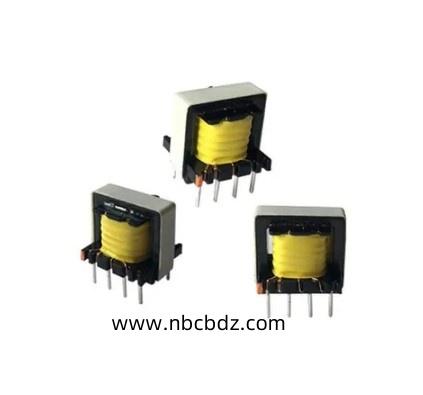
In a rapidly shifting electronics environment, selecting the right manufacturing approach can influence long-term project outcomes. The concept of a Chuangbiao High Frequency Transformer Factory is increasingly associated with precision, adaptability, and efficient design practices, and Nbcbdz reflects this transition through a focus on balanced production and application-driven thinking. Rather than following a single rigid path, attention is given to how transformers perform within real operational contexts.
High frequency transformers are widely used in systems that require stable signal handling and compact design. As devices become smaller and more integrated, manufacturers are adjusting their processes to accommodate tighter layouts and more complex electrical requirements. This has encouraged a shift toward refined winding techniques, improved insulation considerations, and more consistent assembly procedures.
One noticeable trend is the emphasis on compatibility across multiple applications. From communication devices to power management systems, transformers must align with different circuit designs without causing unnecessary complexity. This calls for thoughtful engineering decisions that consider both electrical behavior and physical constraints, ensuring smooth integration into broader systems.
Material selection also plays a meaningful role. The choice of core materials, insulation layers, and conductive elements can influence overall performance and stability. Manufacturers are increasingly attentive to how these components interact under varying conditions, especially in environments where frequency fluctuations are common. Such awareness helps support consistent operation without overcomplicating the design.
Another aspect shaping the industry is the need for efficient production cycles. While maintaining quality remains essential, there is also a growing expectation for streamlined workflows. Coordinated efforts between design and manufacturing teams allow for reduced delays and clearer communication, contributing to more predictable outcomes. This balance between efficiency and attention to detail is becoming a defining feature of modern facilities.
Customization continues to be a valuable capability. Different industries often require transformers with specific electrical characteristics or structural adjustments. By allowing for flexible configurations, manufacturers can better align with project-specific goals. This approach also encourages closer collaboration with clients, fostering solutions that are practical and tailored rather than overly generalized.
In addition, environmental awareness is gradually influencing production strategies. Efforts to minimize unnecessary material use and optimize manufacturing steps reflect a broader commitment to responsible practices. While these changes may not always be visible at first glance, they contribute to a more thoughtful and sustainable production environment.
The landscape of transformer manufacturing is shaped by continuous refinement rather than sudden change. Attention to detail, adaptability, and clear communication are becoming central themes. As these elements come together, they form a foundation that supports both current applications and future developments in electronics.
If you are interested in seeing how these ideas take shape beyond theory, consider taking a closer look. A different perspective on transformer manufacturing may be waiting for you at https://www.nbcbdz.com/ , where further details can quietly reveal themselves.