English
 Arabic
 French
 Spanish
 Portuguese
 Deutsch
 Turkish
 Dutch
Dutch
 Italiano
 Russian
 Romaian
 Portuguese (Brazil)
 Greek
Greek
MMOEXP Ashes of Creation:Ashes of Creation: Acacia Rooting Ball Consumable Guide
Games |
2025-12-29 01:38:37
The global landscape of urban architecture is undergoing a significant transformation as green infrastructure becomes a focal point for developers, city planners, and environmental advocates. The rise of biophilic design, which seeks to connect building occupants more closely to nature, has propelled the demand for innovative landscaping solutions that transcend traditional horizontal plots. Among these, vertical gardening has emerged as a premier choice for maximizing green space in densely populated environments. According to recent industry analysis, the market for vertical garden construction is witnessing robust growth driven by environmental concerns, aesthetic requirements, and rapid technological advancements in irrigation and plant maintenance.
Strategic Market Growth and Projections
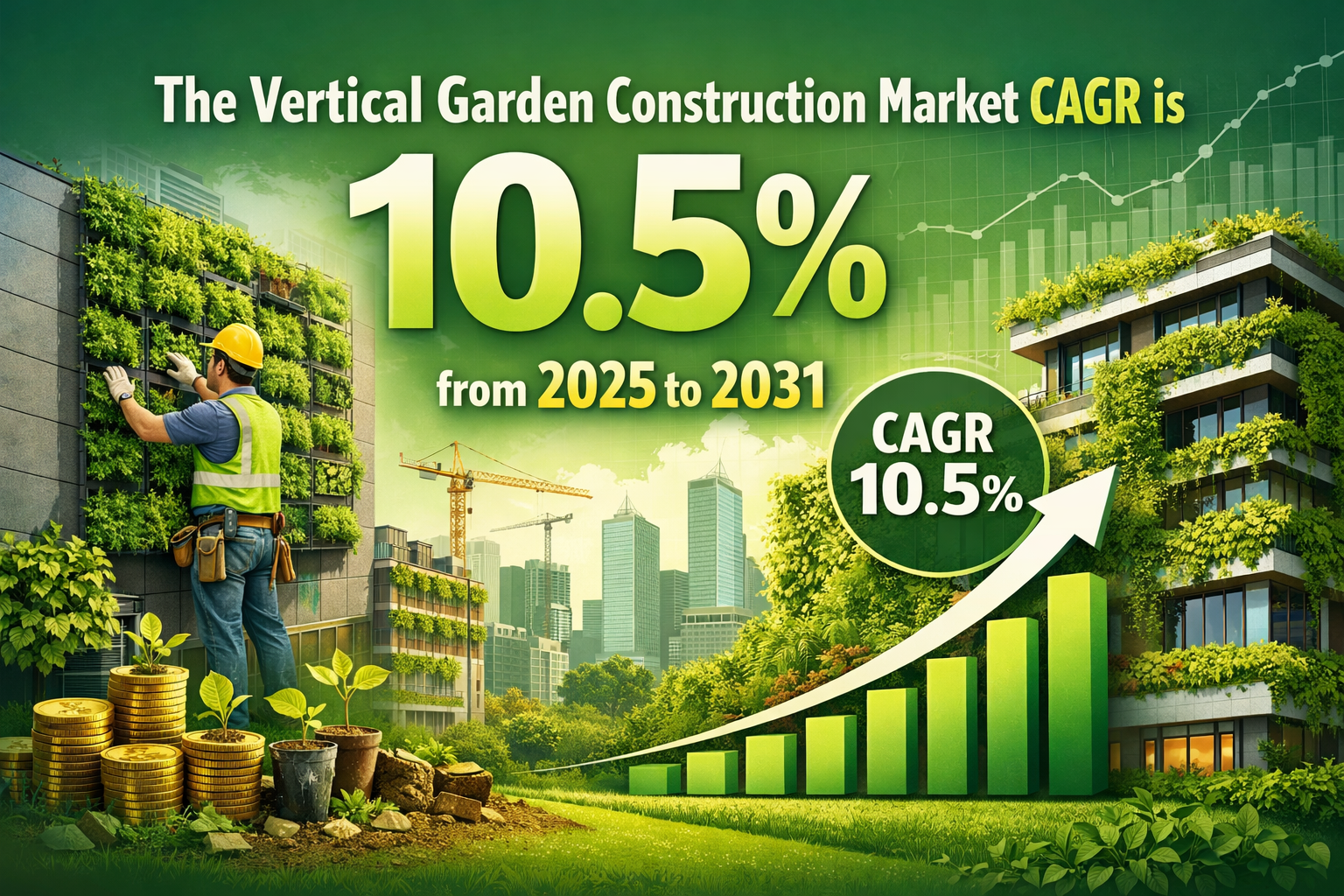
The Vertical Garden Construction Market is expected to register a CAGR of 10.5% from 2025 to 2031. This double digit growth rate underscores the rapid adoption of living walls across both commercial and residential sectors. As urbanization continues to accelerate, the available ground space for traditional gardens is shrinking, forcing a shift toward verticality. The expansion of this market is not merely a trend in luxury real estate but is becoming a standard integration in corporate offices, shopping malls, and public infrastructure projects. This growth is further bolstered by government incentives for green building certifications, such as LEED and BREEAM, which award points for the inclusion of sustainable vegetation systems.
Download Sample PDF:https://www.theinsightpartners.com/sample/TIPRE00006305
Drivers of Urban Green Infrastructure
Several factors contribute to the rising popularity of vertical gardens. Primary among these is the mitigation of the Urban Heat Island effect. Densely packed cities often experience higher temperatures than surrounding rural areas due to concrete and asphalt absorbing heat. Vertical gardens act as natural insulation, cooling buildings through evapotranspiration and reducing the energy required for air conditioning. Additionally, these installations serve as effective air purification systems, filtering out particulate matter and converting carbon dioxide into oxygen, which is vital in polluted metropolitan areas.
Beyond environmental benefits, the psychological impact of greenery cannot be overstated. Studies have consistently shown that the presence of plants in workspaces reduces stress, increases productivity, and improves overall mental well-being. This has led many tech giants and multinational corporations to invest heavily in indoor living walls, viewing them as an investment in human capital.
Vertical Garden Construction Market Trends and Innovations
The sector is currently defined by a shift toward automation and intelligent resource management. One of the most prominent Vertical Garden Construction Market Trends is the integration of Internet of Things (IoT) sensors that monitor soil moisture, nutrient levels, and light exposure in real time. These smart systems allow for precision irrigation, significantly reducing water waste while ensuring the longevity of the plant life. Furthermore, there is a growing movement toward "Edible Vertical Walls," where residential and commercial buildings incorporate herbs and vegetables into their facades. This trend aligns with the global push for urban agriculture and local food security. Additionally, the use of lightweight, recycled felt and modular plastic panels is making these structures easier to retrofit onto existing buildings without requiring extensive structural reinforcements.
Technical Construction Frameworks
The construction of vertical gardens has evolved from simple ivy covered walls to complex, automated systems. Modern vertical gardens generally fall into two categories: green facades and living walls. Green facades involve climbing plants that grow up a structure, while living walls utilize modular containers or felt pockets that hold growing media and nutrients.
Advancements in hydroponic technology have been a game changer for the industry. By using nutrient rich water instead of heavy soil, the structural load on buildings is significantly reduced. These systems can even alert maintenance teams to potential issues via mobile applications, ensuring the vibrancy of the installation remains consistent throughout the seasons.]
Key Players in the Vertical Garden Sector
The market is characterized by a mix of established landscaping firms and specialized green tech companies. These entities are focusing on R&D to create more sustainable and low maintenance solutions for various climates. Key players include:
ANS Group Global Ltd.
LiveWall, LLC
Sempergreen B.V.
Biotecture Ltd.
Mitie Group plc
A+2 Grow Wall
Naava
GSky Plant Systems, Inc.
Vertical Garden Design
Elmich Australia
These organizations are at the forefront of designing modular systems that are easy to install and replace, making vertical gardening more accessible to a wider range of clients.
Regional Market Analysis
Geographically, Europe currently holds a significant share of the vertical garden construction market, largely due to stringent environmental regulations and a long history of architectural innovation. Countries like Germany, France, and the Netherlands have been pioneers in integrating green walls into urban design. However, the Asia-Pacific region is expected to witness the fastest growth during the forecast period. Rapid urbanization in China, India, and Southeast Asia, coupled with a rising middle class that values sustainable living, is creating a massive demand for vertical landscaping services. North America also remains a strong market, with cities like New York and San Francisco leading the way in green roof and wall mandates.
Future Outlook
The future of vertical garden construction looks promising as it moves toward complete integration with smart city frameworks. We can expect to see more specialized lighting solutions, such as tuned LED spectrums, that allow vertical gardens to thrive in deep interior spaces with zero natural light. As material science improves, the weight of these systems will continue to decrease, allowing for installation on older buildings. Furthermore, the integration of carbon capturing mosses and specific air scrubbing plant species will align the industry even more closely with global climate goals. As the world moves toward a carbon neutral future, vertical gardens will no longer be seen as an architectural luxury but as a functional necessity for sustainable urban survival.
Geographically, Europe currently holds a significant share of the vertical garden construction market, largely due to stringent environmental regulations and a long history of architectural innovation. Countries like Germany, France, and the Netherlands have been pioneers in integrating green walls into urban design. However, the Asia-Pacific region is expected to witness the fastest growth during the forecast period. Rapid urbanization in China, India, and Southeast Asia, coupled with a rising middle class that values sustainable living, is creating a massive demand for vertical landscaping services. North America also remains a strong market, with cities like New York and San Francisco leading the way in green roof and wall mandates.
Future Outlook
The future of vertical garden construction looks promising as it moves toward complete integration with smart city frameworks. We can expect to see more specialized lighting solutions, such as tuned LED spectrums, that allow vertical gardens to thrive in deep interior spaces with zero natural light. As material science improves, the weight of these systems will continue to decrease, allowing for installation on older buildings. Furthermore, the integration of carbon capturing mosses and specific air scrubbing plant species will align the industry even more closely with global climate goals. As the world moves toward a carbon neutral future, vertical gardens will no longer be seen as an architectural luxury but as a functional necessity for sustainable urban survival.
Related Reports:
Modular Steel Construction Market
Cinema and Stadium Chairs Market
About Us
The Insight Partners is a leading global market research and consulting firm specializing in delivering actionable insights across various industries. Our research reports combine extensive primary and secondary research to provide accurate market intelligence, helping businesses make informed strategic decisions. The company provides detailed analysis on emerging technologies, market trends, competitive landscapes, and growth opportunities across sectors including technology, healthcare, manufacturing, and energy.
Contact Us
The Insight Partners
Phone: +1-646-491-9876
Email: sales@theinsightpartners.com
Website: https://www.theinsightpartners.com