Global Cardiac Bio Implant Devices Market Witnesses Rapid Expansion
The global cardiac bio implant devices market is entering a phase of sustained growth, fueled by a sharp rise in cardiovascular diseases, rapid technological innovation, and increasing preference for minimally invasive procedures. According to Renub Research, the market is expected to grow from US$ 39.76 billion in 2024 to US$ 74.10 billion by 2033, registering a compound annual growth rate (CAGR) of 7.16% during 2025–2033.
This growth reflects not only the rising global burden of heart-related conditions but also the transformation of healthcare systems toward advanced, patient-centric treatment solutions.
Download Free Sample Report:https://www.renub.com/request-sample-page.php?gturl=cardiac-bio-implant-devices-market-p.php
Rising Cardiovascular Disease Burden Driving Demand
Cardiovascular diseases (CVDs) remain the leading cause of death worldwide, significantly influencing the demand for cardiac bioimplant devices. Conditions such as coronary artery disease, arrhythmias, heart failure, and myocardial infarction are becoming increasingly prevalent due to aging populations, sedentary lifestyles, and poor dietary habits.
In developed countries, the situation is particularly acute. For instance, millions of individuals suffer from coronary heart disease, with heart attacks occurring at alarming frequency. This growing patient pool is creating a consistent demand for devices such as pacemakers, stents, and implantable cardioverter defibrillators (ICDs).
Emerging economies are also witnessing a surge in cardiovascular conditions. In countries like India, cardiovascular diseases account for a significant percentage of total deaths, highlighting the urgent need for effective treatment solutions. As awareness increases and diagnostic capabilities improve, more patients are being identified and treated, further boosting market demand.
Technological Advancements Revolutionizing Cardiac Care
One of the most significant factors driving the cardiac bio implant devices market is continuous technological advancement. Innovations in materials science, device miniaturization, and digital integration are reshaping how cardiac conditions are treated.
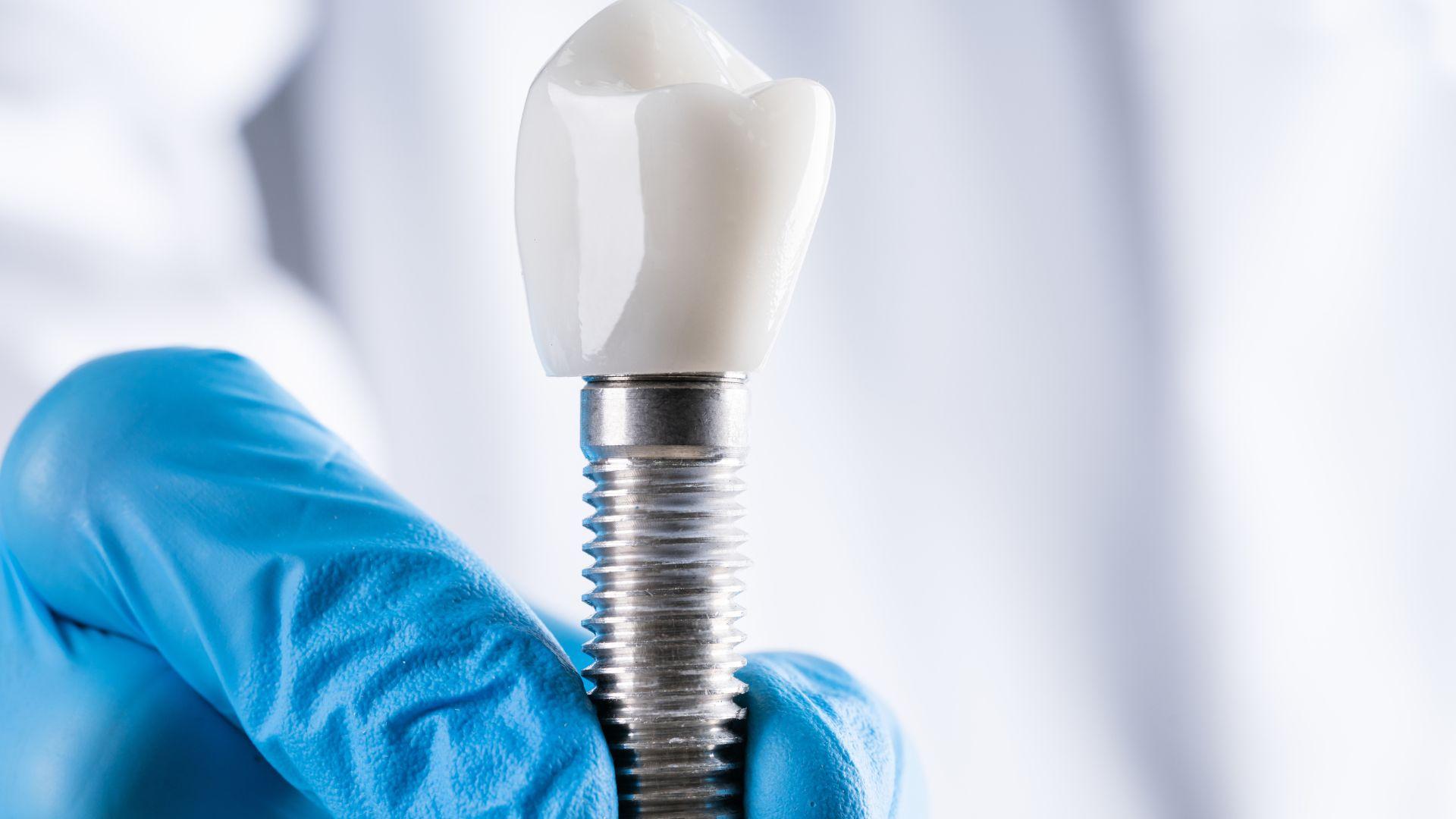
Modern cardiac bioimplants are now designed using highly biocompatible materials that reduce the risk of rejection and enhance long-term functionality. Devices are becoming smaller, more precise, and increasingly tailored to individual patient needs.
The integration of smart technologies is another major breakthrough. Many devices now feature remote monitoring capabilities, enabling physicians to track patient health in real time and intervene proactively when needed. Additionally, advancements in 3D printing have opened new possibilities for customized implants, improving surgical outcomes and patient recovery.
These innovations are not only enhancing treatment efficacy but also expanding the range of patients eligible for cardiac implants, thereby accelerating market growth.
Growing Preference for Minimally Invasive Procedures
The shift toward minimally invasive procedures is transforming the landscape of cardiac treatment. Patients and healthcare providers alike are increasingly opting for procedures that involve smaller incisions, reduced pain, and faster recovery times.
Cardiac bioimplant devices play a critical role in this transition. Technologies such as transcatheter heart valve replacement and leadless pacemakers are enabling complex procedures to be performed with minimal surgical intervention.
This trend is particularly important in aging populations, where traditional open-heart surgeries may pose higher risks. Minimally invasive solutions not only improve patient safety but also reduce hospital stays and overall healthcare costs, making them an attractive option for both providers and patients.
Market Challenges: High Costs and Regulatory Barriers
Despite its promising growth trajectory, the cardiac bio implant devices market faces several challenges. One of the most significant barriers is the high cost associated with these devices and their implantation procedures.
The use of advanced materials, complex manufacturing processes, and specialized surgical techniques contributes to elevated costs, which can limit accessibility, particularly in low- and middle-income regions. For many patients, affordability remains a key concern, potentially delaying or preventing life-saving treatments.
Regulatory hurdles also pose challenges for market players. The approval process for new cardiac bioimplant devices is often lengthy and complex, requiring extensive clinical trials to ensure safety and efficacy. While these regulations are essential for patient protection, they can delay product launches and increase development costs.
Smaller companies and startups may find it particularly difficult to navigate these regulatory landscapes, potentially limiting innovation and competition within the market.
Regional Insights: North America Leads, Asia-Pacific Accelerates
The cardiac bio implant devices market exhibits significant regional variation, with North America currently leading the global landscape. This dominance is attributed to advanced healthcare infrastructure, high prevalence of cardiovascular diseases, and strong investment in research and development.
The United States, in particular, plays a pivotal role in driving market growth. The country’s robust healthcare system, favorable reimbursement policies, and continuous technological innovation contribute to widespread adoption of cardiac bioimplants.
Europe follows closely, supported by an aging population and increasing demand for advanced cardiac care. Countries like Germany are at the forefront of medical innovation, with strong emphasis on research and development and supportive healthcare policies.
However, the Asia-Pacific region is emerging as the fastest-growing market. Rapid improvements in healthcare infrastructure, rising awareness of cardiovascular diseases, and increasing accessibility to advanced treatments are driving growth in countries such as China, India, and Japan.
In India, government initiatives, expanding middle-class population, and growth in medical tourism are further boosting the adoption of cardiac bioimplant devices. As healthcare systems continue to evolve, the region is expected to play a crucial role in shaping the future of the global market.
Expanding Applications Across Cardiac Conditions
Cardiac bioimplant devices are used across a wide range of medical applications, addressing various heart-related conditions. These include:
- Arrhythmias: Managed using pacemakers and ICDs to regulate heart rhythm
- Myocardial Ischemia: Treated with stents to restore blood flow
- Acute Myocardial Infarction: Emergency interventions using advanced implant technologies
- Heart Failure: Addressed through cardiac resynchronization therapy (CRT) devices
The versatility of these devices makes them essential components of modern cardiac care. As new indications and applications continue to emerge, the market is expected to expand further.
Key Market Segments and End Users
The cardiac bio implant devices market is segmented based on type, application, and end users. Major device types include pacemakers, implantable cardioverter defibrillators (ICDs), and cardiac resynchronization therapy (CRT) devices.
In terms of end users, hospitals remain the primary segment due to their advanced infrastructure and ability to handle complex procedures. However, ambulatory surgical centers and specialized cardiac catheterization laboratories are gaining traction, offering cost-effective and efficient treatment options.
The diversification of end-user settings is contributing to greater accessibility and convenience for patients, further driving market growth.
Competitive Landscape and Industry Players
The market is characterized by the presence of several key players focusing on innovation, strategic partnerships, and product development. Companies are investing heavily in research to develop next-generation cardiac bioimplants that offer improved performance and patient outcomes.
The competitive landscape is also witnessing increased collaboration between medical device manufacturers, research institutions, and healthcare providers. These partnerships are aimed at accelerating innovation and bringing advanced solutions to market more efficiently.
As competition intensifies, companies are expected to focus on cost optimization, regulatory compliance, and expanding their global footprint to maintain a competitive edge.
Future Outlook: Innovation and Accessibility to Shape Growth
Looking ahead, the cardiac bio implant devices market is poised for significant expansion. The convergence of technological innovation, increasing disease prevalence, and evolving healthcare systems will continue to drive demand.
Emerging trends such as personalized medicine, artificial intelligence integration, and remote patient monitoring are expected to play a crucial role in shaping the future of cardiac care. These advancements will not only improve treatment outcomes but also enhance patient experience and engagement.
At the same time, efforts to improve affordability and accessibility will be critical in ensuring that advanced cardiac treatments reach a broader population. Governments, healthcare providers, and industry stakeholders will need to work collaboratively to address cost barriers and expand access to life-saving technologies.
Final Thoughts
The global cardiac bio implant devices market is on a strong growth trajectory, underpinned by rising cardiovascular disease prevalence and continuous technological innovation. With projections indicating a market size of US$ 74.10 billion by 2033, the sector represents a vital component of the future healthcare landscape.
While challenges such as high costs and regulatory complexities remain, the overall outlook is highly positive. Advancements in minimally invasive procedures, smart implant technologies, and expanding healthcare access are expected to drive sustained growth.
As the world continues to grapple with the burden of heart disease, cardiac bioimplant devices will play an increasingly critical role in saving lives, improving outcomes, and transforming the future of cardiovascular care.
 English
 Arabic
 French
 Spanish
 Portuguese
 Deutsch
 Turkish
 Dutch
Dutch
 Italiano
 Russian
 Romaian
 Portuguese (Brazil)
 Greek
Greek