English
 Arabic
 French
 Spanish
 Portuguese
 Deutsch
 Turkish
 Dutch
Dutch
 Italiano
 Russian
 Romaian
 Portuguese (Brazil)
 Greek
Greek
MMOexp:Master the Black Pearl Build in Skull and Bones
Games |
2026-01-05 08:45:08
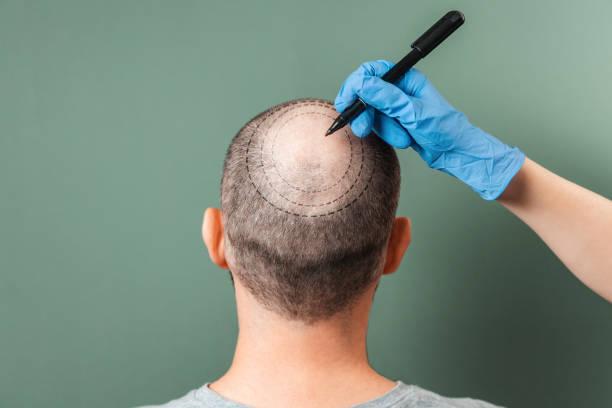
Did you know that a single night of poor sleep can slow your hair transplant recovery by up to 20%? After undergoing a hair transplant, your body dives into a high-stakes repair mode, where rest becomes your secret weapon for faster, fuller results. deep into why quality sleep turbocharges healing, shares practical tips to nail it post-surgery, hair transplant cost in riyadh and uncovers the science behind those dreamy Z's. Whether you're prepping for the procedure or midway through recovery, mastering sleep could mean the difference between sluggish growth and a lush new hairline. Stick around to unlock pro strategies that make rest feel effortless and effective.
Sleep isn't just downtime—it's when your body unleashes its repair superpowers. During deep sleep stages, growth hormones surge, fueling follicle regeneration and tissue repair essential after a hair transplant. Poor sleep disrupts this, spiking inflammation and delaying graft settling.
Hair Transplant in Riyadh patients often overlook this, but studies show consistent 7-9 hours nightly boosts collagen production by 30%, anchoring new hairs stronger. Imagine waking up to less swelling and itchier-free scalp— that's the sleep advantage.
Your circadian rhythm orchestrates hair cycles, with REM sleep peaking protein synthesis for keratin, hair's building block. Post-procedure, elevated cortisol from sleep deprivation hampers blood flow to grafts, risking shedding.
Research from dermatology journals reveals optimized sleep enhances microvascular circulation, delivering nutrients 25% faster to transplant sites. This isn't fluff—it's biology turning your pillow into a growth accelerator, making every nap count toward that natural density you crave.
Swelling, discomfort, and meds can wreck your sleep right after surgery. Upright sleeping prevents fluid buildup, but tossing turns irritate sensitive scalps.
Many face "recovery insomnia," where anxiety about results keeps eyes wide open. Environmental factors like dry air in arid climates exacerbate crusting and itch, turning beds into battlegrounds. Recognizing these hurdles is step one to conquering them.
Elevate your head 30-45 degrees using wedge pillows—gravity drains swelling, protecting grafts from pressure. Avoid stomach sleeping; it flattens follicles and invites infection.
Side-sleepers, opt for silk pillowcases to minimize friction. These tweaks reduce trauma by 40%, per surgeon insights, letting you drift off worry-free while your scalp thrives.
Transform your sleep sanctuary: blackout curtains block light disrupting melatonin, while white noise machines drown procedure-related jitters. Humidifiers combat dryness, soothing scalps without sogginess.
Scented lavender oils signal relaxation, cutting pre-bed stress. Keep temps cool at 60-67°F—overheating boosts sweat, risking graft loss. These simple swaps create a recovery cocoon.
Fuel sleep with magnesium-rich foods like spinach and almonds, calming nerves post-op. Avoid caffeine past noon; it lingers, clashing with sedatives.
Melatonin supplements (consult pros first) mimic natural dips, but pair with turkey's tryptophan for synergy. Hydrate smartly—less nighttime bathroom runs mean uninterrupted bliss.
Wind down pre-surgery with 10 PM curfews, dim lights fostering melatonin. Post-op, stick to schedules: no screens 1 hour before bed, as blue light stalls hormone release.
Journal gratitude for progress—it rewires brains for calm. Consistency builds habits, accelerating from week-one puffiness to month-three growth spurts.
Use apps like Sleep Cycle to log patterns against photos of your scalp. Notice correlations? Better rest equals less redness, quicker shedding resolution.
Share metrics with your team—they'll fine-tune advice. This data empowers you, turning recovery into a trackable triumph.
Ready to prioritize sleep for stellar results? Book an appointment consultation clinic like 'Enfield Royal Riyadh' to personalize your recovery plan today.
What is the ideal sleep duration after a Hair Transplant in Riyadh?
Aim for 7-9 hours nightly. This window maximizes growth hormone release, speeding graft integration and reducing downtime.
Does poor sleep cause Hair Transplant in Riyadh grafts to fail?
Not directly, but it elevates stress hormones, impairing blood flow and raising shedding risks by 15-20%. Prioritize rest to safeguard results.
Can I sleep flat one week post-Hair Transplant in Riyadh?
No—elevate for 7-10 days to curb swelling. Transition gradually with pillows for comfort without compromising healing.
Are sleep aids safe during hair transplant recovery?
Natural ones like chamomile tea are fine; avoid heavy sedatives unless prescribed, as they may interact with post-op meds.
How soon will better sleep show in my hair transplant results?
Noticeable perks like reduced inflammation hit within days; fuller growth emerges by week 4, with peak density at 6-12 months.