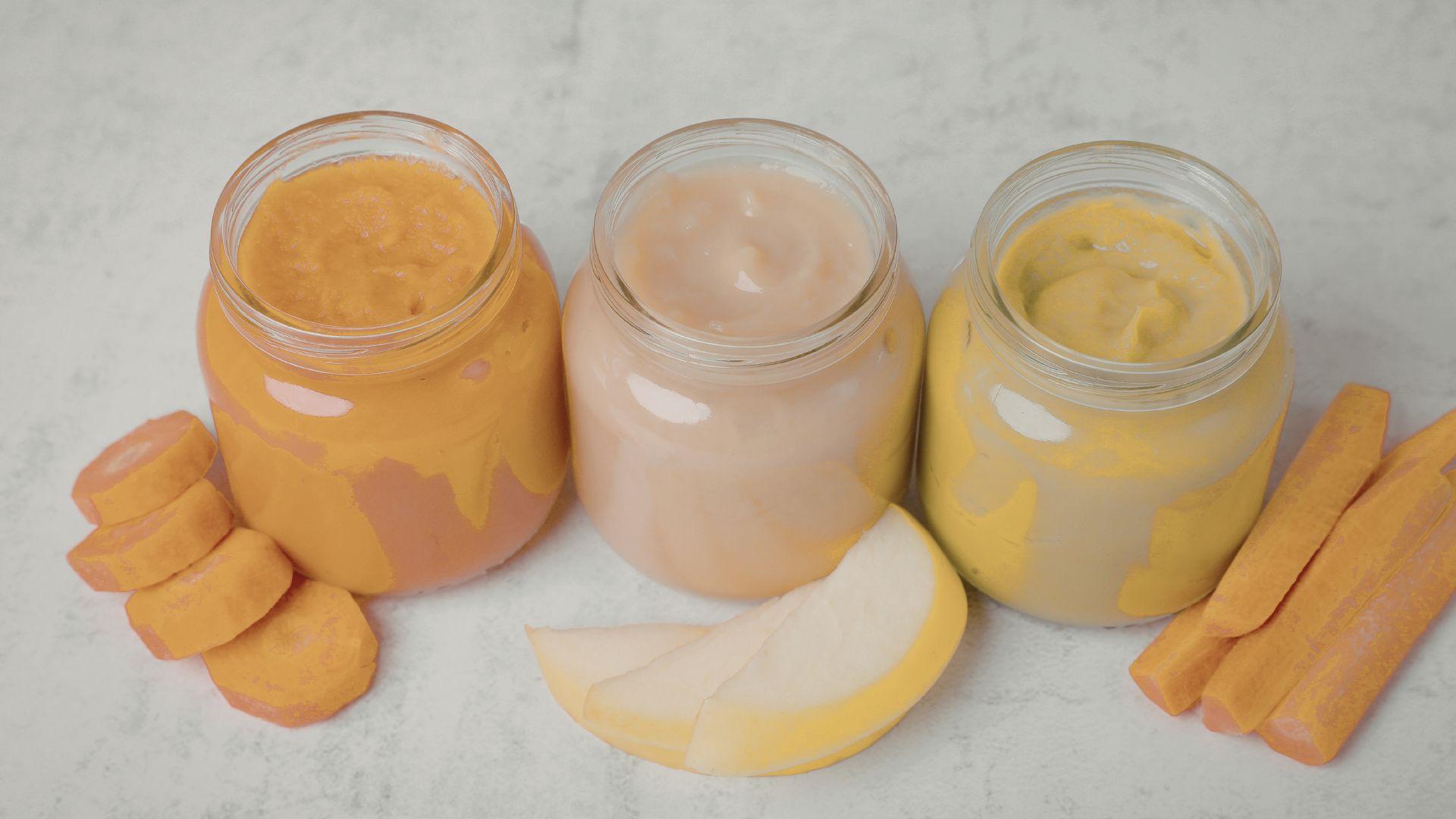
Rising Demand for Organic and Nutrient-Rich Products Fuels Baby Food Market Expansion
The North America baby food market is experiencing strong growth as parents increasingly prioritize nutrition, safety, and convenience in infant feeding. According to data from Renub Research, the market is valued at US$ 6.89 billion in 2024 and is projected to reach US$ 13.06 billion by 2033, expanding at a CAGR of 7.37% from 2025 to 2033.
This growth is driven by rising awareness of infant health, demand for organic and clean-label products, and the rapid expansion of online retail channels.
Download Free Sample Report:https://www.renub.com/request-sample-page.php?gturl=north-america-organic-baby-food-market-p.php
Baby Food Market Gains Momentum with Focus on Early Nutrition
Baby food plays a critical role in supporting the growth and development of infants and toddlers. These products are specially formulated to provide essential nutrients such as vitamins, minerals, iron, and DHA, which are crucial for cognitive and physical development.
In North America, parents are increasingly opting for:
- Organic and non-GMO baby food
- Fortified products with probiotics and omega-3
- Ready-to-eat pouches and convenient feeding solutions
- Plant-based and allergen-free formulations
The growing emphasis on balanced nutrition and safety standards is encouraging manufacturers to innovate and deliver high-quality baby food options.
Organic and Clean-Label Demand Reshaping the Industry
One of the most significant trends in the baby food market is the shift toward organic and clean-label products. Parents are becoming more conscious of ingredients, avoiding artificial additives, preservatives, and pesticides.
Manufacturers are responding by:
- Launching certified organic baby food products
- Ensuring transparent sourcing and labeling
- Developing minimally processed food options
This trend is particularly strong among premium brands, which emphasize quality and safety to build consumer trust.
Growing Awareness of Infant Health and Nutrition
Modern parents are highly informed about the importance of early childhood nutrition. This awareness is driving demand for fortified baby food products that support brain development, immunity, and digestion.
Key nutritional innovations include:
- Iron-fortified cereals for healthy growth
- DHA-enriched formulas for cognitive development
- Probiotic-infused foods for digestive health
Healthcare professionals and pediatricians continue to advocate balanced diets and allergen-free products, further boosting market demand.
E-Commerce and Subscription Models Transforming Sales
The rise of e-commerce has significantly changed how baby food products are purchased in North America. Parents increasingly prefer online platforms for their convenience, variety, and personalized offerings.
Digital trends include:
- Subscription-based baby meal plans
- Direct-to-consumer (D2C) brands
- Online reviews and expert recommendations
- Home delivery services
These platforms allow parents to access niche and premium products that may not be available in traditional retail stores.
Market Challenges: Competition and Regulatory Pressures
Despite strong growth, the baby food market faces challenges such as intense competition and strict regulatory requirements.
High Competition
The market is highly competitive, with established global brands, private labels, and emerging organic companies competing for market share. Additionally, some parents prefer homemade baby food, which can limit demand for packaged products.
Regulatory and Safety Concerns
Strict regulations by authorities such as food safety agencies require manufacturers to maintain high standards for quality, labeling, and testing. Concerns over contaminants and ingredient safety have increased scrutiny, leading to higher compliance costs.
Segment Insights: Key Growth Areas
Milk Formula Segment
Baby milk formula remains a dominant segment, driven by demand from working parents and the need for nutritionally complete feeding options. Innovations include organic, lactose-free, and hypoallergenic formulas.
Dried Baby Food
Dried food products are gaining popularity due to their longer shelf life and convenience. These products are particularly favored by traveling families.
Prepared Baby Food
Ready-to-eat baby food products such as purees and pouches are widely used for their convenience and ease of feeding.
Distribution Channels Expanding Market Reach
Supermarkets and Hypermarkets
These remain key retail channels, offering a wide range of baby food products.
Pharmacies and Drugstores
Pharmacies are trusted sources for high-quality and specialized baby food products, often recommended by healthcare professionals.
Online Stores
Online platforms are rapidly growing, providing convenience and access to premium and niche brands.
Regional Insights Across North America
United States
The United States dominates the market due to high consumer awareness, strong purchasing power, and well-established distribution networks. Demand for organic, allergen-free, and fortified products is particularly high.
Canada
Canada’s market is driven by increasing demand for clean-label and organic products. Government initiatives promoting infant nutrition also support growth.
Mexico
Mexico is witnessing rising demand for baby food due to urbanization and increasing awareness of infant nutrition. Convenience products are gaining popularity among working parents.
Competitive Landscape and Key Players
The North America baby food market features a mix of global leaders and emerging brands. Key players include:
- Kraft Heinz Company
- Abbott Laboratories
- Hero Group (Beech-Nut Nutrition Corporation)
- Hain Celestial Group, Inc.
- Nestlé S.A.
- Reckitt Benckiser Group plc
- Danone S.A.
- Lactalis
- Amara Organics Foods
- Sun-Maid Growers of California
These companies are focusing on innovation, product quality, and strategic partnerships to strengthen their market positions.
Future Outlook: Innovation and Health Trends to Drive Growth
The future of the North America baby food market is shaped by evolving consumer preferences and technological advancements. Key trends include:
- Increased demand for organic and plant-based products
- Expansion of personalized nutrition solutions
- Growth of e-commerce and subscription services
- Continued innovation in fortified and functional foods
As parents continue to prioritize health and convenience, the market is expected to see sustained growth and diversification.
Final Thoughts
The North America baby food market is on a strong growth trajectory, expected to reach US$ 13.06 billion by 2033. Rising awareness of infant nutrition, coupled with demand for organic and clean-label products, is driving significant transformation in the industry.
While challenges such as regulatory pressures and competition remain, the market’s ability to innovate and adapt to changing consumer needs will be key to long-term success. As a result, the baby food industry is poised to play a vital role in shaping the future of infant nutrition and health across North America.
 English
 Arabic
 French
 Spanish
 Portuguese
 Deutsch
 Turkish
 Dutch
Dutch
 Italiano
 Russian
 Romaian
 Portuguese (Brazil)
 Greek
Greek