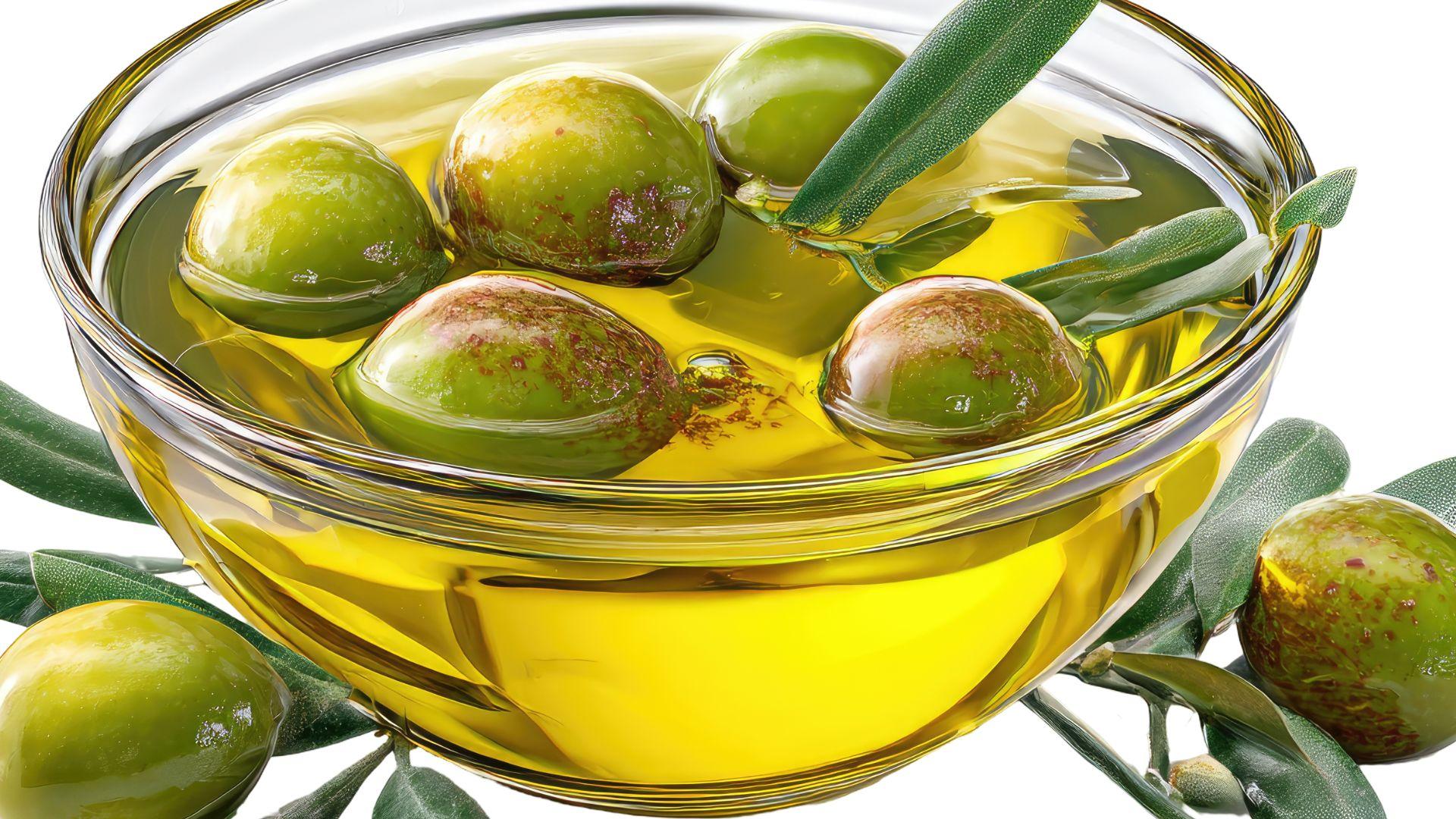
US Olive Oil Market Expands Rapidly as Health Awareness and Premium Demand Rise
The United States olive oil market is witnessing strong growth, driven by increasing health consciousness, the rising popularity of Mediterranean diets, and growing demand for premium and organic food products. As consumers shift toward healthier cooking oils and natural ingredients, olive oil has emerged as a preferred choice across households, foodservice, and industrial applications.
According to Renub Research, the US olive oil market was valued at US$ 2.99 billion in 2024 and is expected to reach approximately US$ 6.04 billion by 2033, expanding at a compound annual growth rate (CAGR) of 8.14% from 2025 to 2033. This impressive growth reflects a broader transformation in consumer dietary habits and food preferences.
Download Free Sample Report:https://www.renub.com/request-sample-page.php?gturl=united-states-olive-oil-market-p.php
Rising Health Awareness Fuels Market Demand
A key factor driving the expansion of the olive oil market in the United States is the growing awareness of its health benefits. Olive oil is widely recognized for its high content of monounsaturated fats, antioxidants, and anti-inflammatory properties, making it a healthier alternative to traditional cooking oils.
Consumers are increasingly adopting healthier lifestyles and incorporating olive oil into their daily diets to support heart health, reduce cholesterol levels, and improve overall well-being. The influence of the Mediterranean diet, which emphasizes olive oil as a core ingredient, has further accelerated its adoption across diverse consumer groups.
From cooking and baking to salad dressings and marinades, olive oil is becoming a staple in American kitchens, reflecting a shift toward clean and nutritious eating habits.
Premium and Organic Olive Oils Gain Popularity
The demand for premium and organic olive oil varieties is growing significantly as consumers seek high-quality, minimally processed products. Extra virgin olive oil (EVOO), known for its superior flavor and nutritional value, is leading this trend.
Consumers are increasingly willing to pay a premium for authentic, cold-pressed olive oils sourced from reputable regions. This shift is also driven by a growing preference for clean-label products and transparency in sourcing and production practices.
Retailers and specialty stores are expanding their offerings of premium olive oils, catering to gourmet cooking enthusiasts and health-conscious consumers. Sustainable farming practices and eco-friendly production methods are further enhancing the appeal of these products.
Expanding Applications Across Industries
Olive oil’s versatility is contributing to its growing demand across multiple industries beyond food and beverage.
Food and Beverage Industry
Olive oil is widely used in cooking, food processing, and gourmet products such as sauces, dressings, and snacks. Its health benefits and flavor profile make it a preferred ingredient in both home kitchens and professional culinary settings.
Personal Care and Cosmetics
The personal care industry is increasingly incorporating olive oil into skincare and haircare products due to its moisturizing and nourishing properties. Consumers are gravitating toward natural and organic beauty products, boosting demand in this segment.
Pharmaceutical Applications
Olive oil is also gaining traction in the pharmaceutical sector, where it is used in medicinal formulations, supplements, and topical treatments. Its therapeutic properties make it a valuable ingredient in health and wellness products.
Foodservice Sector Drives Consumption
The foodservice industry plays a significant role in driving olive oil consumption in the United States. Restaurants, cafés, and catering services are increasingly using olive oil in a wide range of dishes, from salads and pasta to grilled and sautéed meals.
The growing demand for healthier menu options has encouraged foodservice operators to replace traditional cooking oils with olive oil. Additionally, the popularity of Mediterranean and Italian cuisines has further boosted its usage in commercial kitchens.
As dining trends continue to evolve, olive oil is expected to remain a key ingredient in both casual and fine dining establishments.
Challenges: Price Volatility and Quality Concerns
Despite its strong growth outlook, the US olive oil market faces several challenges that could impact its expansion.
Price Volatility and Supply Chain Disruptions
Fluctuations in global olive oil prices pose a significant challenge for the market. Factors such as adverse weather conditions in major olive-producing countries, geopolitical tensions, and supply chain disruptions can lead to price instability.
These uncertainties can affect both manufacturers and consumers, potentially driving some buyers toward alternative cooking oils.
Counterfeit and Low-Quality Products
The presence of counterfeit or mislabeled olive oil in the market is another major concern. Some products are falsely marketed as extra virgin olive oil, undermining consumer trust and affecting brand credibility.
To address this issue, industry players and regulatory authorities are emphasizing stricter quality standards, improved labeling practices, and greater transparency.
Segment Insights: Key Market Categories
Extra Virgin Olive Oil Leads Premium Segment
Extra virgin olive oil dominates the premium segment due to its superior quality, rich flavor, and health benefits. Increasing demand for organic and sustainably produced EVOO is driving growth in this category.
Refined Olive Oil Remains Cost-Effective Option
Refined olive oil continues to attract price-sensitive consumers and is widely used in food processing and commercial applications. Its mild flavor and affordability make it a versatile choice for various culinary uses.
Packaging Innovations Enhance Appeal
Packaging innovations, including eco-friendly bottles, pouches, and cans, are gaining traction. Consumers are increasingly favoring sustainable packaging solutions that preserve product quality while reducing environmental impact.
Distribution Channels Expand Market Reach
Retail channels, including supermarkets, hypermarkets, and specialty stores, remain the primary distribution points for olive oil. The expansion of premium product lines and private-label offerings is enhancing consumer choice.
Online retail is also experiencing significant growth, providing consumers with convenient access to a wide range of products. E-commerce platforms enable brands to reach a broader audience and offer detailed product information, improving purchasing decisions.
Foodservice channels continue to play a crucial role in driving bulk consumption, particularly in urban and metropolitan areas.
Competitive Landscape and Key Players
The US olive oil market is highly competitive, with several established players focusing on innovation, quality, and branding to maintain their market position. Key companies include Pompeian, Inc., BERTOLLI, FILIPPO BERIO, Colavita USA, LLC, STAR Fine Foods, Goya Foods, Inc., California Olive Ranch Inc., OLIVARI, and Olivina, LLC.
These companies are investing in sustainable sourcing, advanced production technologies, and marketing strategies to differentiate their products and capture a larger share of the market.
Future Outlook: Strong Growth Backed by Health and Sustainability Trends
The future of the US olive oil market appears highly promising, with sustained growth expected over the forecast period. Increasing consumer awareness of health benefits, coupled with the rising popularity of clean-label and organic products, will continue to drive demand.
Technological advancements in production and packaging, along with expanding applications across industries, are expected to further support market growth. As consumers increasingly prioritize quality and sustainability, olive oil is likely to remain a key component of modern diets.
Final Thoughts
The United States olive oil market is evolving rapidly, driven by health-conscious consumers, premium product demand, and expanding applications across multiple sectors. With a projected market size of US$ 6.04 billion by 2033, the industry is set for strong and sustained growth.
While challenges such as price volatility and product authenticity persist, the market’s focus on innovation, quality, and sustainability provides a solid foundation for future expansion. Olive oil’s versatility and health benefits ensure its continued relevance in the ever-changing food and wellness landscape.
 English
 Arabic
 French
 Spanish
 Portuguese
 Deutsch
 Turkish
 Dutch
Dutch
 Italiano
 Russian
 Romaian
 Portuguese (Brazil)
 Greek
Greek