English
 Arabic
 French
 Spanish
 Portuguese
 Deutsch
 Turkish
 Dutch
Dutch
 Italiano
 Russian
 Romaian
 Portuguese (Brazil)
 Greek
Greek
Altraz Tablets: Supporting Safer, Targeted Cancer Therapy
Health |
2026-02-18 08:51:05
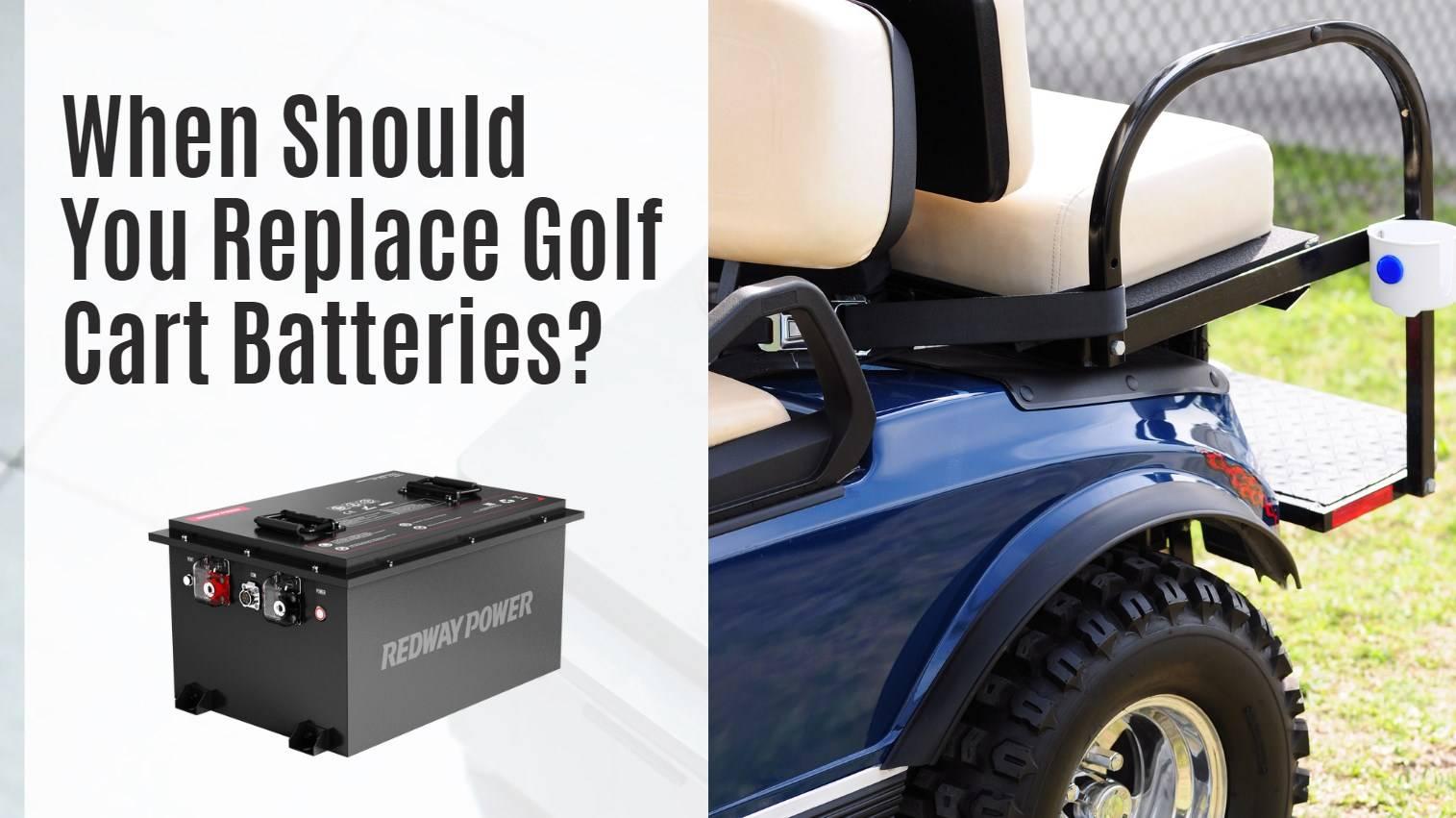
Golf carts have become more than just vehicles for the golf course—they are now widely used in residential communities, resorts, farms, and commercial spaces. At the heart of every golf cart lies its battery system, which directly impacts performance, reliability, and overall user experience. However, like all power sources, golf cart batteries do not last forever. Recognizing the early warning signs of battery failure can save you from unexpected breakdowns and costly repairs.
In modern setups, many users are switching to advanced solutions like a 48v 50ah lithium battery because of their efficiency and durability. Still, whether you are using traditional lead-acid batteries or lithium options, knowing when to replace them is essential for maintaining optimal performance.
One of the most noticeable signs that your golf cart batteries need replacement is a reduced driving range. If your cart used to last for several hours but now runs out of power much sooner, it’s a clear indicator that the batteries are losing their capacity.
Batteries naturally degrade over time due to repeated charging and discharging cycles. As this happens, they can no longer store the same amount of energy, resulting in shorter trips and frequent recharging needs. If you find yourself charging your cart more often than usual, it may be time to consider a replacement.
Another common symptom of failing batteries is sluggish performance. If your golf cart struggles to accelerate or feels weaker when climbing hills, the battery system may no longer be delivering adequate power.
Healthy batteries provide consistent voltage, which ensures smooth acceleration and reliable torque. When batteries begin to fail, voltage drops become more frequent, causing noticeable dips in performance. This can make your golf cart less efficient and even unsafe in certain situations.
If your golf cart batteries are taking significantly longer to charge than they used to, this could be a warning sign. Aging batteries lose their ability to accept and retain a charge efficiently, leading to extended charging durations.
In some cases, you might notice that even after charging for hours, the battery does not reach full capacity. This inefficiency not only wastes time but also increases electricity costs over time.
For those using traditional lead-acid batteries, maintenance requirements can reveal a lot about battery health. If you find yourself adding water more frequently than usual, it could indicate that the batteries are deteriorating.
Excessive water loss often occurs when batteries are overworking or overheating. While regular maintenance is normal, a sudden increase in watering needs should not be ignored.
Visual inspection can also help identify failing batteries. Look for signs such as:
Corrosion around terminals
Swelling or bloating of battery cases
Cracks or leaks
Corrosion can interfere with electrical connections, reducing efficiency and performance. Physical damage, on the other hand, poses safety risks and should be addressed immediately.
Battery lifespan varies depending on the type and usage. Lead-acid batteries typically last between 3 to 5 years, while lithium batteries can last significantly longer, often up to 8–10 years.
If your batteries are nearing the end of their expected lifespan, it’s wise to start planning for a replacement—even if they are still functioning. Waiting until complete failure can leave you stranded and disrupt your daily activities.
Do you notice that your golf cart performs well one day and poorly the next? Inconsistent performance is another sign of battery issues. This can include sudden drops in power, erratic speed changes, or unexpected shutdowns.
Such fluctuations usually indicate that the battery cells are no longer functioning evenly. Over time, this imbalance worsens and leads to complete failure.
Batteries should remain relatively cool during normal operation. If you notice excessive heat while driving or charging your golf cart, it could signal internal damage or inefficiency.
Overheating not only reduces battery life but also increases the risk of safety hazards. Addressing this issue early can prevent more serious problems down the line.
While batteries are generally silent, unusual sounds such as hissing or bubbling may indicate internal issues. Similarly, strange odors—especially a rotten egg smell—can point to chemical leaks or overcharging.
These signs should never be ignored, as they can pose serious safety risks. Immediate inspection and replacement are recommended in such cases.
If you are spending more money on repairs and maintenance than usual, your batteries could be the root cause. Frequent issues such as poor charging, reduced performance, and electrical problems often stem from aging batteries.
Instead of repeatedly fixing small issues, replacing the battery system can be a more cost-effective solution in the long run.
Delaying battery replacement can lead to several problems, including:
Unexpected breakdowns
Reduced efficiency
Higher maintenance costs
Safety risks
By replacing your batteries at the right time, you ensure that your golf cart remains reliable and performs at its best.
As battery technology continues to evolve, many golf cart owners are opting for upgrades instead of direct replacements. Modern lithium batteries offer several advantages, such as:
Longer lifespan
Faster charging
Lightweight design
Minimal maintenance
Switching to a lithium golf cart conversion kit can significantly enhance your cart’s performance, providing a smoother and more efficient driving experience.
Recognizing the signs of failing golf cart batteries is crucial for maintaining performance, safety, and reliability. From reduced driving range and slow acceleration to physical damage and overheating, these warning signals should never be ignored.
Regular inspection and timely replacement can save you from costly repairs and unexpected inconveniences. Whether you stick with traditional batteries or upgrade to modern lithium solutions, keeping your battery system in good condition ensures that your golf cart continues to serve you efficiently for years to come.