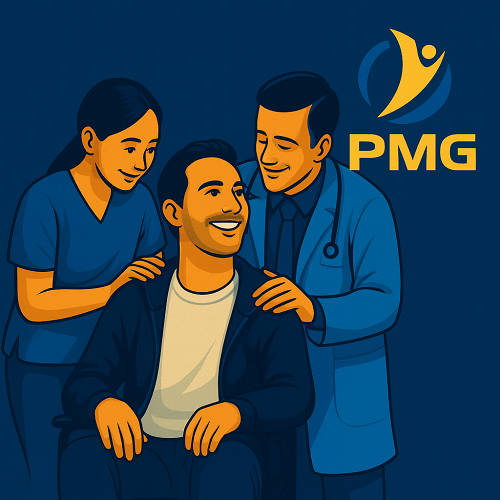
The modern medical landscape often feels rushed, complex, and heavily dependent on insurance approvals. Many individuals experience long waiting times, limited consultation duration, and unpredictable billing structures. A simplified model has emerged that emphasizes transparent access to physicians and reduced administrative barriers. Instead of navigating multiple approval layers, individuals engage more easily with clinicians through a membership-based approach that supports ongoing medical services. This structure prioritizes time with physicians, allowing more detailed discussions, better understanding of medical history, and improved continuity of treatment planning.
Modern medical systems often feel overwhelming due to insurance barriers, limited consultation time, and rising administrative complexity. Many individuals find it difficult to access timely medical attention or maintain consistent communication with physicians. A simplified model called Direct Primary Care has emerged that focuses on direct relationships between patients and physicians, offering more personalized attention and improved accessibility. Instead of navigating insurance-driven systems, patients engage in a membership-based structure designed to prioritize continuity, convenience, and long-term wellness.
Membership-Based Medical Model Overview
Unlike conventional systems, this model removes third-party billing complications and reduces dependence on insurance networks. Individuals typically subscribe to a recurring membership that covers a broad range of outpatient medical services. This arrangement enables easier communication with physicians through in-person visits, digital messaging, and virtual consultations. Clinicians are able to allocate more time per individual, which improves diagnostic accuracy and long-term wellness planning. The shift moves emphasis away from volume-based visits toward value-based interactions, where quality time and attention become central.
Personalized Patient Experience and Outcomes
One major advantage of this approach is the strengthened relationship between individuals and their physicians. With fewer scheduling pressures, clinicians can better understand lifestyle patterns, medical history, and ongoing health conditions. This deeper insight supports more accurate treatment plans and improved management of long-term conditions such as hypertension, diabetes, and respiratory issues. Preventive strategies also become more prominent, as early risk identification allows timely intervention and lifestyle guidance. Over time, this proactive approach can reduce emergency visits and support better long-term wellness outcomes.
Accessibility and Convenience in Modern Services
This model also improves accessibility and convenience. Individuals often benefit from same-day or next-day appointments, reducing delays in receiving medical attention. Communication channels such as phone calls, secure messaging, and teleconsultations allow quick interaction with clinicians when needed. This is particularly beneficial for busy professionals, families, and individuals managing ongoing health conditions. Faster access to professional guidance helps address sudden symptoms efficiently and reduces uncertainty during health concerns. Coordination between laboratories, imaging centers, and specialist referrals is also smoother, leading to more efficient navigation of the medical system.
Financial Simplicity and Predictable Costs
Traditional billing systems often include copayments, deductibles, and unexpected charges that make financial planning difficult. A membership-based structure introduces predictable monthly expenses, offering clarity and stability. Individuals can better manage budgets without worrying about fluctuating visit costs or hidden fees. Administrative complexity is reduced for clinics as well, allowing physicians to focus more on delivering medical services rather than handling insurance paperwork. This streamlined approach simplifies the overall experience and reduces administrative burden for both parties.
Preventive Focus and Long-Term Wellness
Preventive strategies play a central role in this model. Regular visits encourage early detection of potential health issues, while ongoing monitoring helps track progress over time. Individuals are more likely to receive guidance on nutrition, physical activity, mental well-being, and lifestyle adjustments that support long-term wellness. Instead of episodic visits focused only on symptoms, the approach emphasizes continuous engagement and long-term wellness planning. Consistent interaction with the same physician builds familiarity and improves the quality of decisions made over time.
Chronic Condition Management with Ongoing Support
Managing long-term conditions requires continuous attention and structured follow-up. Frequent monitoring, medication adjustments, and personalized feedback help individuals maintain stability and reduce complications. Because clinicians are more accessible, symptom changes can be reported quickly, allowing timely adjustments to treatment plans. This reduces the likelihood of hospital admissions and improves daily functioning. The focus remains on sustained stability and long-term health improvement rather than short-term solutions.
Digital Consultations and Extended Access
Modern medical services increasingly incorporate digital communication tools that extend access beyond physical visits. Virtual consultations and remote monitoring make it easier to stay connected with clinicians without traveling. This flexibility benefits individuals in remote locations, those with mobility limitations, and those requiring quick professional input. Digital platforms also support coordination with specialists and diagnostic facilities, ensuring smoother transitions between different stages of evaluation and treatment. As a result, access becomes more efficient and responsive to individual needs.
Future of Patient-Centered Medicine
The shift toward patient-focused medical services reflects a growing emphasis on clarity, ease of access, and straightforward medical experiences. Providers like PMG emphasize smooth communication, efficient service delivery, and long-term health improvement as core principles. By minimizing administrative hurdles and encouraging more meaningful doctor–patient interactions, this approach helps create a more balanced and effective system of treatment. Click here to understand how these evolving models are reshaping the way individuals experience medical services. Increasing interest in membership-based medical models also shows a clear preference for predictable pricing, better access to physicians, and stronger ongoing relationships within modern clinical environments.
 English
 Arabic
 French
 Spanish
 Portuguese
 Deutsch
 Turkish
 Dutch
Dutch
 Italiano
 Russian
 Romaian
 Portuguese (Brazil)
 Greek
Greek