English
 Arabic
 French
 Spanish
 Portuguese
 Deutsch
 Turkish
 Dutch
Dutch
 Italiano
 Russian
 Romaian
 Portuguese (Brazil)
 Greek
Greek
Dark And Darker Gold: Top Perks and Skills for Maximum Power
Games |
2026-04-23 02:39:23
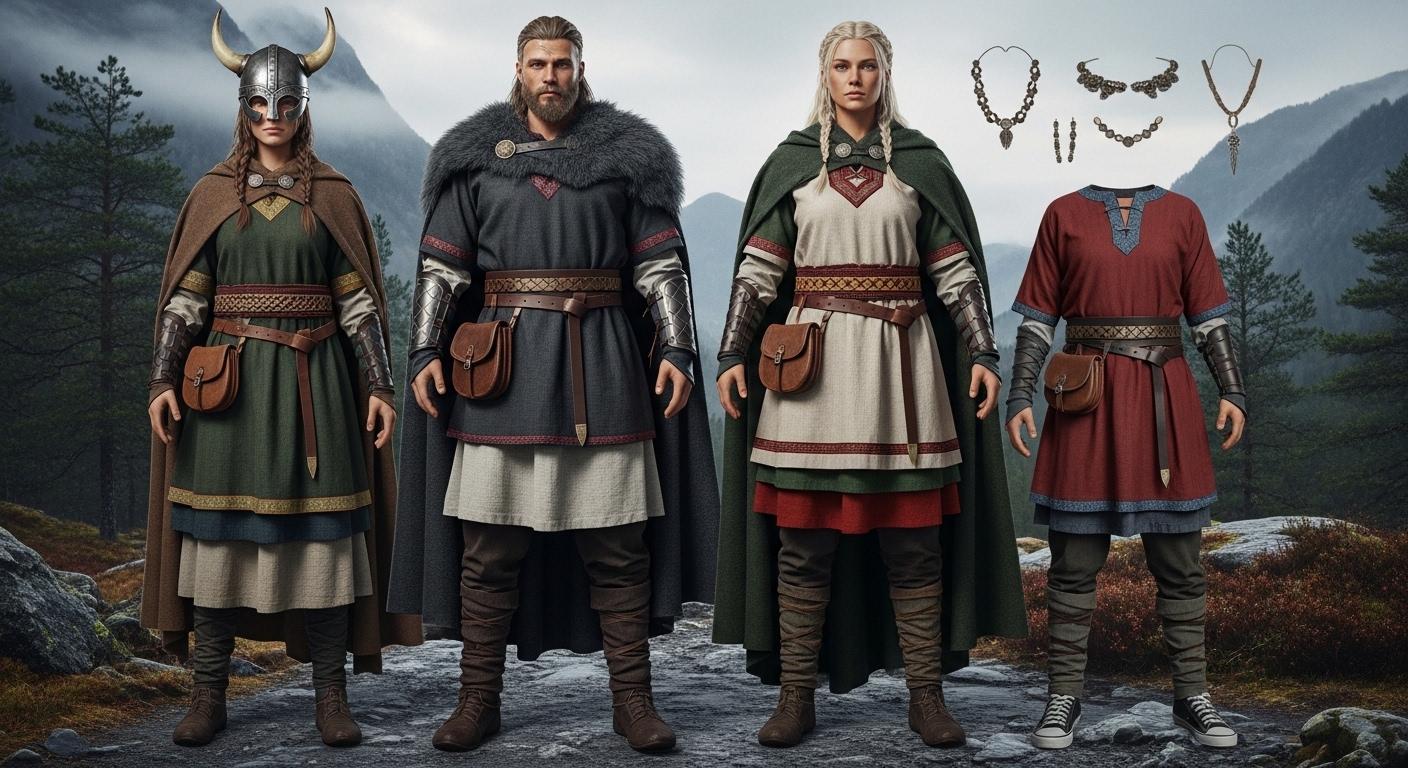
Viking clothing has a powerful charm that never really goes out of style. It feels bold, practical, rugged, and deeply connected to history. Whether you are planning a Viking cosplay costume, preparing for a medieval festival, building a Norse-inspired outfit, or simply curious about how Vikings dressed, understanding Viking clothing can help you create a look that feels authentic and impressive.
The Vikings were not just warriors with helmets and axes. They were traders, farmers, sailors, craftsmen, explorers, and families living across Scandinavia and beyond. Their clothing reflected their daily life, climate, social status, and culture. A Viking outfit was not only about appearance. It was about survival, comfort, identity, and function.
We will explore what Viking clothing looked like, what materials were commonly used, how men and women dressed, which accessories completed the look, and how you can create a strong Viking costume or cosplay outfit today.
Viking clothing refers to the garments worn by Norse people during the Viking Age, roughly from the late 8th century to the 11th century. These clothes were designed for cold weather, travel, farming, sailing, and battle. They were usually made from natural materials such as wool, linen, leather, and fur.
Unlike many modern costumes, real Viking clothes were layered and practical. A typical Viking outfit might include a tunic, trousers, belt, cloak, boots, and simple accessories. Women often wore long dresses with apron dresses, brooches, belts, and shawls.
The style varied depending on region, wealth, season, and purpose. A farmer’s everyday Viking clothes would look different from a wealthy trader’s outfit or a warrior’s battle gear. Still, most Viking clothing shared a few common traits:
Today, Viking clothing is popular in cosplay, historical reenactment, Renaissance fairs, medieval festivals, TV-inspired costumes, and fantasy fashion.
There is something instantly recognizable about Norse clothing. A Viking cloak fastened with a brooch, a leather belt around a long tunic, rugged boots, and layered fabrics create a look that feels both ancient and cinematic.
One reason Viking style remains popular is that it balances realism with drama. It can be historically inspired without looking plain. It can also lean into fantasy, especially for cosplay, while still keeping that raw Norse energy.
People are drawn to Viking outfits because they represent:
From historical reenactors to fans of Norse mythology, Viking clothing gives people a way to step into a powerful character.
The Vikings used materials that were available, durable, and suitable for their environment. Scandinavia could be cold, wet, and windy, so clothing had to protect the body while allowing movement.
Wool was one of the most important materials in Viking clothing. It was warm, widely available, and useful in different weather conditions. Wool could be woven into tunics, cloaks, dresses, trousers, and outer layers.
A wool Viking cloak was especially valuable because it could serve many purposes. It worked as a coat, blanket, travel cover, and status symbol depending on the quality of the fabric.
Linen was commonly used for undergarments, shirts, shifts, and lighter clothing. It was softer against the skin than rough wool and worked well as a base layer.
A Viking linen tunic or underdress helped keep outer garments cleaner and more comfortable. Linen was also easier to wear during warmer months.
Leather played a major role in Viking outfits. It was used for belts, boots, shoes, armor details, pouches, gloves, straps, and protective gear. A leather belt was not just decorative. It helped carry tools, knives, bags, and other daily items.
For modern Viking cosplay clothing, leather is one of the easiest ways to make an outfit feel more rugged and authentic.
Fur was used in colder regions and during winter. It could appear on cloaks, trims, hats, and outerwear. However, fur was not always worn in the exaggerated way often shown in fantasy costumes. In real life, it was used when practical and available.
For costume styling, a fur-trimmed Viking cloak can add drama, but it works best when balanced with simpler garments underneath.
Men’s Viking clothing was built around comfort, warmth, and movement. The basic outfit was simple, but accessories and materials could make it look richer or more warrior-like.
The Viking tunic was one of the most essential pieces of men’s clothing. It was usually knee-length or slightly above the knee, with long sleeves and a simple neckline. It could be made from wool or linen depending on the season and status of the wearer.
A plain tunic worked for everyday life, while a decorated tunic with trim or embroidery could suggest wealth or importance.
For a strong men’s Viking outfit, start with:
Viking trousers came in different styles. Some were loose and comfortable, while others were tighter around the lower leg. Trousers allowed men to move easily while farming, rowing, walking, or fighting.
For cosplay, darker trousers in brown, black, grey, or earth tones usually work well. Avoid overly modern fabrics or shiny materials if you want a more realistic Norse outfit.
The Viking cloak was both practical and stylish. It was often rectangular and fastened with a brooch or pin near the shoulder. Cloaks protected against wind and cold, especially during travel.
A cloak instantly transforms simple Viking clothes into a complete outfit. It adds movement, shape, and authority.
Viking footwear was usually made from leather. Shoes were designed for function rather than decoration. Simple leather boots or ankle shoes are great choices for a Viking costume.
Modern costume boots often take creative freedom, especially for warrior cosplay. Tall leather boots, wrapped straps, and weathered finishes can all support the Viking look.
Women’s Viking clothing was graceful, layered, and practical. It often included an underdress, an apron dress, brooches, and a belt. The look could be simple for daily life or richly decorated for special occasions.
The underdress was usually a long linen garment worn close to the body. It had long sleeves and reached the ankles. This layer provided comfort and modesty.
For modern Viking women’s clothing or cosplay, a cream, white, beige, or light grey underdress creates a strong historical base.
One of the most recognizable pieces of Viking women’s clothing is the apron dress, also called a hangerock. It was worn over the underdress and held up with straps, often fastened by brooches.
The apron dress could be plain or decorated depending on status. Richer women might wear brighter colors, woven trim, beads, and metal accessories.
Oval brooches are strongly associated with Viking women’s fashion. They helped fasten the apron dress and also served as decoration. Beads, chains, keys, and small tools could hang between the brooches.
For cosplay, brooches and beads are small details that make a huge difference. They help the outfit look complete instead of just like a long dress.
Women also wore shawls, wraps, and cloaks for warmth. A wool shawl pinned with a brooch can create a beautiful Norse-inspired look while staying practical.
When most people imagine Viking clothing, they often picture a warrior. A Viking warrior outfit usually includes layers of fabric, leather gear, weapons, and protective elements.
Historically, not every Viking warrior wore heavy armor. Armor depended on wealth and availability. Some may have worn padded garments, leather protection, chainmail, helmets, or shields. Others fought in simpler clothing.
A modern Viking warrior costume may include:
This is one of the most common questions about Viking clothing. The popular image of Vikings wearing horned helmets is mostly a modern myth. Historical evidence does not support horned helmets as everyday Viking battle gear.
For a more realistic Viking costume, choose a simple metal or leather-style helmet without horns. For fantasy cosplay, horned helmets can still be used if the goal is dramatic style rather than historical accuracy.
Many people imagine Viking clothes as only brown, grey, and black. While earthy colors were common, Vikings also used colors when they could. Natural dyes allowed fabrics to be colored in shades of red, blue, yellow, green, brown, and other tones.
Wealthier people often had brighter and richer clothing because dyed fabric could be more expensive. A simple farmer might wear more muted colors, while a successful trader could wear a colorful tunic with decorative trim.
For a balanced Viking outfit, use colors like:
These colors feel natural and work well for both historical and fantasy Viking clothing.
Accessories are what turn basic clothing into a believable Viking outfit. Even a simple tunic can look much better with the right belt, pouch, cloak pin, and boots.
A Viking belt was useful and decorative. It held clothing in place and carried everyday items. For cosplay, a wide leather belt can add structure and strength to the outfit.
Vikings did not have modern pockets, so small pouches were important. A leather pouch on the belt is both practical and visually accurate for a Norse costume.
Brooches were used to fasten cloaks and dresses. They also showed craftsmanship and status. A round brooch, penannular brooch, or oval brooch can make Viking clothing feel much more complete.
Leather bracers are popular in Viking warrior costumes. While not every historical outfit would need them, they create a strong warrior or adventurer look.
Viking jewelry included rings, arm rings, pendants, beads, and necklaces. Thor’s hammer pendants are especially popular in Norse-inspired outfits.
Building a Viking outfit does not have to be complicated. Start with the basic clothing layers, then add accessories slowly.
Before buying or making anything, decide what kind of Viking look you want. Are you creating a warrior, shieldmaiden, farmer, trader, noble, explorer, or fantasy character?
Your character will guide the clothing choices.
For example:
The base layer is the foundation. For men, this is usually a Viking tunic. For women, it may be an underdress and apron dress.
Choose simple shapes and natural-looking fabrics. Avoid modern prints, zippers, neon colors, or anything too polished.
A belt instantly improves the shape of the outfit. It breaks up the silhouette and creates a place for pouches, tools, or props.
A cloak, vest, shawl, or leather armor piece adds depth. Viking clothing looks best when layered. Even simple layers can create a more realistic and impressive costume.
Add boots, jewelry, brooches, bracers, beads, pouches, and props. These details make the outfit feel personal.
Viking cosplay clothing can be historical, fantasy-based, or inspired by TV shows and games. The key is to decide how realistic or dramatic you want the outfit to be.
For historical Viking cosplay, keep the outfit grounded. Use simple fabrics, practical cuts, natural colors, and accurate accessories.
For fantasy Viking cosplay, you can add more leather armor, fur, dramatic belts, dark colors, and bold details. This style is perfect for conventions, photoshoots, Halloween, and themed events.
A good Viking cosplay costume should be:
The best Viking outfits are not always the most expensive. They are the ones where every piece feels like it belongs.
It is important to understand the difference between historical Viking clothing and fantasy Viking costumes.
Historical Viking clothing focuses on accuracy. It uses simple shapes, natural fabrics, realistic colors, and practical accessories.
Fantasy Viking clothing focuses on visual drama. It may include exaggerated leather armor, large fur collars, dark makeup, heavy boots, decorative weapons, and stylized details.
Neither approach is wrong. It depends on your purpose.
Choose historical Viking clothing if you are attending a reenactment event, educational performance, or living history festival.
Choose fantasy Viking clothing if you are dressing for cosplay, Halloween, a themed party, photoshoot, or entertainment event.
Creating a Viking outfit is fun, but a few mistakes can make the costume look less convincing.
Modern sneakers, shiny synthetic fabrics, visible zippers, and printed T-shirts can break the illusion. Try to keep modern items hidden or replace them with rustic alternatives.
Fur can look great, but too much of it can make the outfit feel more like a fantasy barbarian costume than Viking clothing. Use fur as an accent, not the entire outfit.
A plain tunic without a belt, boots, cloak, or brooch may look unfinished. Accessories give the costume personality.
Horned helmets are not historically accurate for Viking warriors. They can work for fantasy costumes, but for realism, choose a simple helmet design.
If you are wearing your Viking costume to a convention or festival, comfort matters. Make sure you can walk, sit, breathe, and move easily.
Viking clothing is a great choice for many occasions because it can be simple or dramatic. You can wear a basic Norse outfit to a medieval fair or go all out with armor and props for cosplay.
Popular occasions for Viking outfits include:
For outdoor events, layering is especially useful. A tunic, cloak, and boots not only look good but also help with changing weather.
You do not need to be a historian to create a better Viking look. A few thoughtful choices can make your outfit feel more believable.
Use natural-looking materials. Wool, linen, cotton-linen blends, suede, and leather-style pieces work better than shiny polyester.
Choose earthy colors. Brown, grey, cream, rust, green, and dark blue are easier to style than bright modern shades.
Add useful accessories. Belts, pouches, brooches, and wraps make the outfit feel lived-in.
Layer your clothing. Vikings dressed for weather and function, so layers make sense.
Weather the outfit slightly. A Viking costume that looks too clean can feel unrealistic. Slight distressing, worn leather, and textured fabrics help.
Vikings wore practical clothing made mostly from wool, linen, leather, and sometimes fur. Men commonly wore tunics, trousers, belts, cloaks, and leather shoes. Women often wore long underdresses with apron dresses, brooches, beads, belts, and shawls.
A Viking tunic is a simple long shirt-like garment worn by men and sometimes as part of layered clothing. It usually had long sleeves and reached around the thigh or knee. It was often made from wool or linen.
Traditional Viking clothing was commonly made from wool and linen. Leather was used for belts, shoes, pouches, straps, and armor details. Fur was sometimes used for warmth, especially in colder conditions.
Vikings may have worn dark colors, but pure black fabric was harder to achieve with natural dyes. Modern Viking costumes often use black for a dramatic warrior look, especially in fantasy cosplay.
For a Viking costume, start with a tunic or dress, then add trousers or an apron dress, a leather belt, boots, a cloak, and accessories such as brooches, pouches, bracers, or jewelry. For a warrior look, add leather armor or weapon props.
Yes, Viking clothing is excellent for cosplay because it is visually strong, flexible, and easy to customize. You can create a realistic Norse outfit or a dramatic fantasy Viking costume depending on your character.
Some women in Viking society may have been associated with warfare, and shieldmaiden imagery is popular in mythology and modern media. For cosplay, women’s Viking armor often includes leather bodices, bracers, cloaks, boots, and warrior accessories.
Horned helmets are not considered historically accurate for Viking warriors. They are mostly a modern fantasy image. For historical accuracy, choose a simple helmet without horns.
Viking clothing is more than a costume style. It is a connection to a world of sailors, warriors, traders, farmers, myths, and craftsmanship. The beauty of Norse clothing comes from its balance of function and character. Every tunic, cloak, belt, brooch, and boot has a purpose.
Whether you want a historically inspired Viking outfit or a bold fantasy Viking cosplay costume, the best approach is to start with strong basics and build your look through layers and accessories. Choose natural colors, practical shapes, and meaningful details. A well-designed Viking outfit should feel rugged, confident, and believable.
For those looking to bring a powerful Norse-inspired character to life, Viking clothing offers endless creative possibilities.
At Creed leather, we create and offer cosplay costumes for fans who want to step into their favorite worlds with confidence. Explore our collection for unique costume pieces that can help complete your next Viking, warrior, medieval, or fantasy-inspired look.