English
 Arabic
 French
 Spanish
 Portuguese
 Deutsch
 Turkish
 Dutch
Dutch
 Italiano
 Russian
 Romaian
 Portuguese (Brazil)
 Greek
Greek
Tesisat Firmaları
Shopping |
2026-04-02 08:46:19
Every year, thousands and thousands of people around the world become sick due to foodborne illnesses, and an exceptionally wide range of those cases are linked without delay to dangerous hygiene practices in restaurants and food processing plants. Whether a small neighborhood restaurant or a large chain restaurant, the way food is treated, stored and served can make the difference between a healthy customer and fitness risk Hygienic food inspection is not only a regulatory requirement, it inspires miles of trust between the restaurant and consumers.
Laksa, i. Foodborne illnesses with coli, listeria, and norovirus are responsible for severe stomach cramps, vomiting, diarrhea, and in severe cases hospitalization or possible death The Centers for Disease Control and Prevention (CDC) estimates that approximately forty-eight million Americans become ill from food each day. huge amount of food is served to many extraordinary people. A breach in hygiene, such as a chef not washing their hands, a cutting board used for uncooked meat followed by vegetables, or food left out at room temperature for too long can contaminate an entire batch of food
There are many non-negotiable considerations that every restaurant must address to ensure certain meals. First, temperature control is critical. Cold foods should be kept below forty°F (four°C), and hot foods above 140°F (60°C). At those temperatures, there is a "danger zone" where bacteria multiply rapidly. Second, it is essential to prevent movement pollution. Raw meat, poultry and seafood are in no way required to come into contact with processed foods. Hence the use of separate cutting boards, containers and storage bins. Third, the non-public sanitation of all workers who contribute to the body cannot be overstated. Proper hand washing, sports gloves, greasy apparel and nail care are easy yet powerful defenses against the spread of pathogens
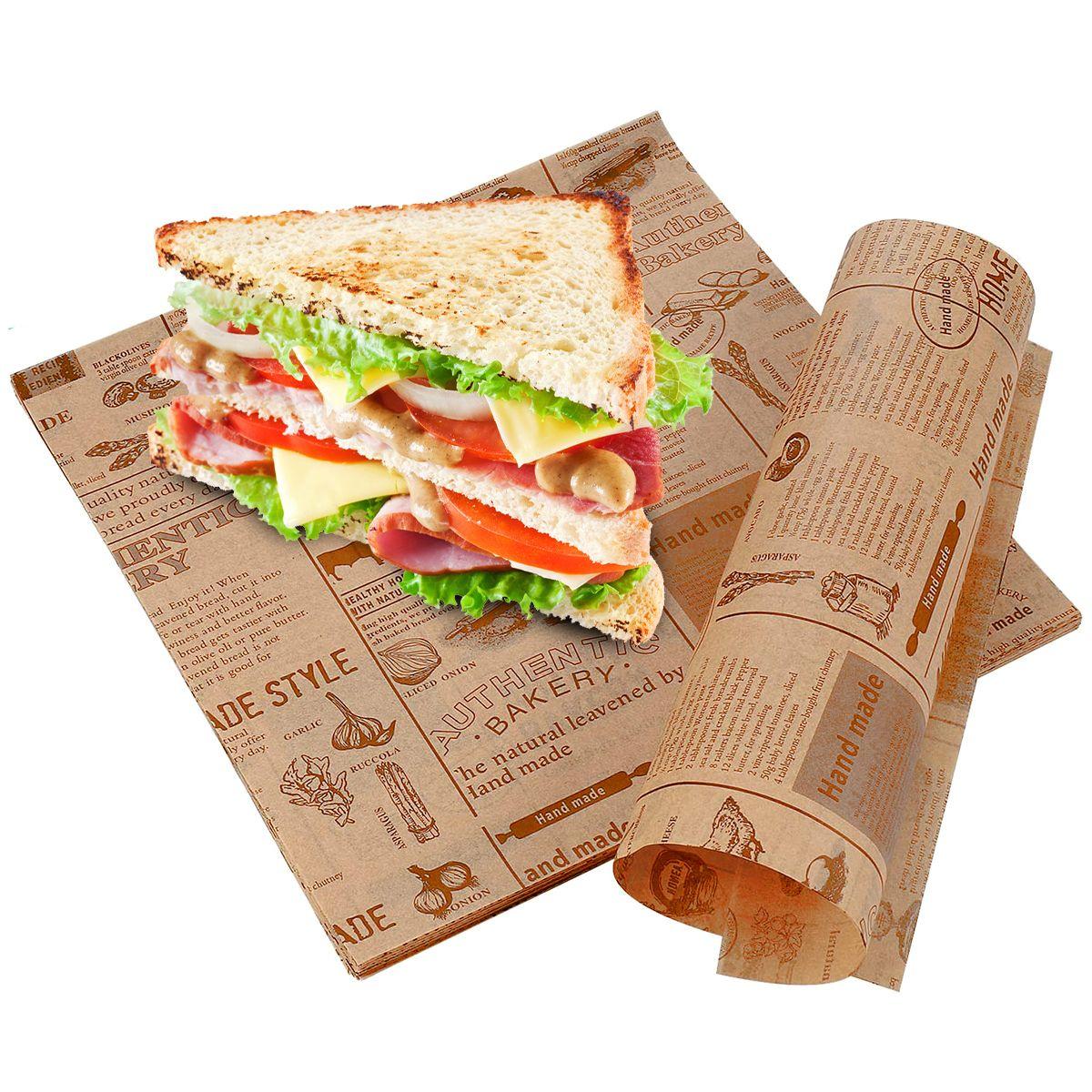
Although most restaurant owners take kitchen hygiene into account, one assumption that this often underestimates is the work of wrapping food and packaging ingredients, as soon as a meal is prepared and handed to the consumer or is inside a delivery bag, it is by far best as safe as the cloth that wraps it. Low-fine wrapping paper, greasy deli paper, recycling bins or bacteria can introduce moisture and contaminants that nullify all the careful practices inside the kitchen This is where custom sandwich paper becomes an invaluable asset for any restaurant that takes food safety seriously. Unlike standard packaging paper, which can contain hazardous inks, bleachers, or weak microfibers, custom sandwich paper is designed specifically for food contact. It is made of food materials that are grease resistant, non-toxic and safe for direct contact with sandwiches, sandwiches, burgers, paper also provides an introduced level of hygiene due to the fact that it is much more used and quickly disposed of. This disposable method removes the risk of contamination which also includes recyclable packaging material. Also, because the letter is custom printed, restaurants can include their label, allergen data, and management instructions on the cover all at once — teaching customers food and protection A restaurant that serves artisan sandwiches, gourmet burgers, or any handmade food is really clean through its unscrupulous custom sandwiches. It acts as a barrier between your food and the outdoor premises, keeping your produce clean, smooth, and safe from the moment it leaves the kitchen .
Even adequate materials and systems are useless without a properly trained workforce. Restaurants should spend money on daily food safety training programs that do a whole lot from proper handwashing strategies to the proper use of gloves and packaging materials. Managers need to conduct surprise hygiene audits and make sure every group member knows that cutting corners is never an option. When the body of working individuals learn why they use custom sandwich paper instead of standard napkins, or why they should sanitize the reduction table between responsibilities, they end up being lively participants in food preservation rather than passive rule-followers. This ethic of duty is what separates safe restaurants from people who make headlines out of the wrong motives.
Providing hygienic food in restaurants is not always a process – it is a responsibility. From the time the ingredients settle in the kitchen until the final dish is packaged and served, each step must be carried out with care and precision although temperature control, run-in infection prevention and personal hygiene form the core of food safety, ingredients used to package and serve have equally, including wholesale custom wax paper rolls, that pro brand provides and shows that the restaurant is committed to working for the beauty of the customers. In an industry where reputation is everything, investing in hygiene isn’t always just a true exercise – it’s the ideal business enterprise.