English
 Arabic
 French
 Spanish
 Portuguese
 Deutsch
 Turkish
 Dutch
Dutch
 Italiano
 Russian
 Romaian
 Portuguese (Brazil)
 Greek
Greek
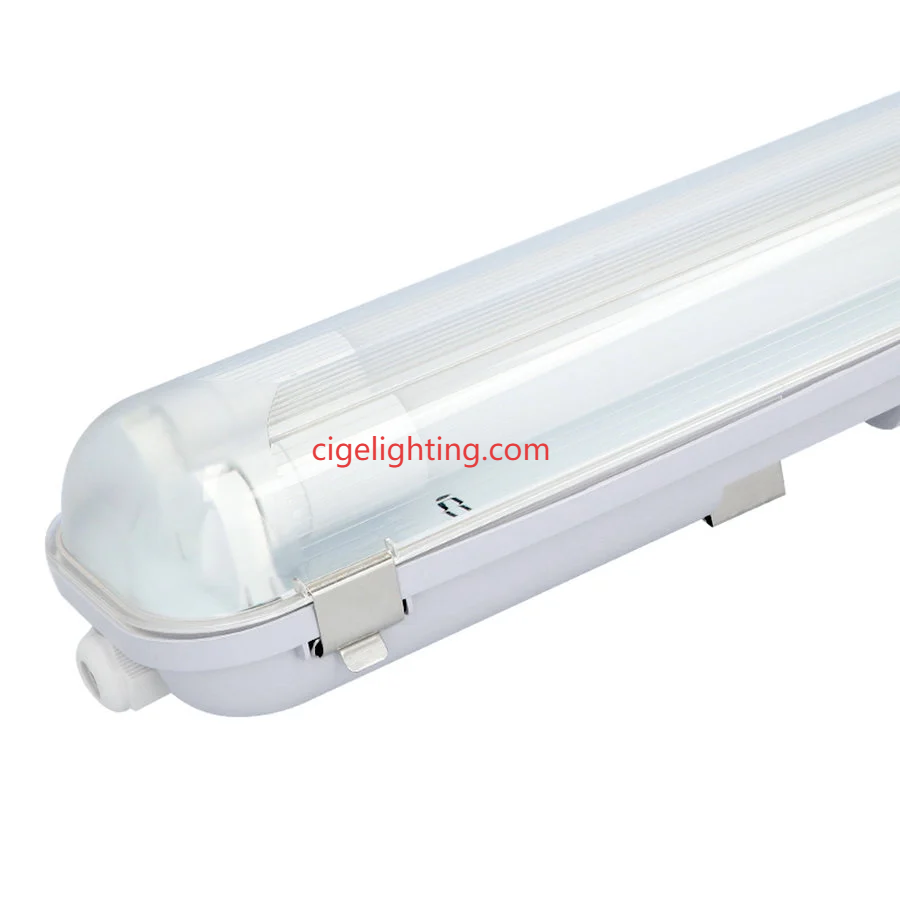
Cige Led Triproof Fixture: Install Once, Trust Forever
Shopping |
2025-12-15 03:20:39
In modern industrial motion control, the Electric Torque Motor represents a thoughtful response to applications requiring steady force and responsive behavior, while Cbbmachine reflects an approach focused on practical engineering, system harmony, and dependable operation. Together in concept, they suggest a direction where controlled motion supports efficiency without unnecessary complexity.
Industrial environments increasingly value smooth rotational control rather than rapid speed changes. Torque focused solutions answer this need by emphasizing direct force delivery and stable output. This approach suits processes where materials must be guided, tensioned, or positioned with care, allowing machinery to respond naturally to changing loads without abrupt corrections.
Another defining aspect lies in operational consistency. When motion remains predictable, surrounding components can perform within comfortable ranges. Bearings, shafts, and transmission elements experience balanced interaction, which supports calmer machine behavior. Operators often notice this as quieter operation and fewer unexpected interruptions during routine tasks.
Flexibility across applications further enhances appeal. Torque based drive concepts integrate into winding systems, rotating tables, and controlled feed mechanisms. Their compatibility with modern control architectures allows designers to align mechanical response with software logic. This harmony between physical movement and digital command supports smoother adaptation when production requirements evolve.
Maintenance considerations also play a role in long term planning. Systems designed around steady torque delivery tend to experience gradual wear patterns. This allows maintenance teams to schedule inspections with confidence and avoid sudden disruptions. Predictable service routines contribute to organized workflows and clearer resource allocation.
From a quality perspective, controlled torque directly influences output stability. Materials remain aligned, surfaces are handled gently, and process variation is reduced. Such outcomes matter not only for finished products but also for internal benchmarks. Consistency builds trust within teams and supports reliable delivery commitments.
Equally important is the human element. Operators working alongside equipment that responds smoothly often develop stronger confidence in daily operations. Adjustments feel intuitive rather than reactive. Training becomes more straightforward when machine behavior aligns with expectations rather than requiring constant correction.
As manufacturing philosophies continue to shift toward balance and sustainability, attention to motion fundamentals remains essential. Torque centered solutions highlight the value of restraint and precision over sheer speed. They remind engineers that progress often lies in refining how force is applied, not simply increasing output.
For those interested in seeing how thoughtful motion concepts translate into real world systems, an unexpected path awaits at https://www.cbbmachine.com/ , where curiosity can quietly turn into inspiration with a single click.