English
 Arabic
 French
 Spanish
 Portuguese
 Deutsch
 Turkish
 Dutch
Dutch
 Italiano
 Russian
 Romaian
 Portuguese (Brazil)
 Greek
Greek
Car Mug Lifespan: Hot Cocoa Still Warm Post-Errands?
Crafts |
2025-12-18 09:12:59
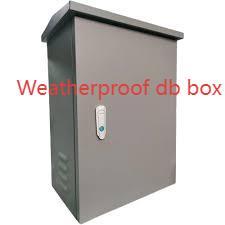
Selecting the right enclosure for outdoor power distribution starts with a clear understanding of the site’s environmental stresses. A properly specified Outdoor Electrical Distribution Panel placed in the service zone protects equipment from rain, dust and vandalism while simplifying maintenance routines; careful attention to ingress protection, cable entry positioning and component layout ensures the installation stays reliable year after year. Equally important is a modular approach that lets technicians adapt the system as loads change, and a correctly rated enclosure that keeps sensitive components safe inside a secure, ventilated environment — for many projects the difference between frequent service calls and long-term, predictable operation.
Materials selection defines longevity. Marine-grade stainless steel and powder-coated galvanized steel remain top choices for coastal and industrial sites because they resist pitting and rust. Glass-reinforced polyester (GRP) or UV-stable polycarbonate offer lighter-weight, non-conductive alternatives for installations where impact resistance and electrical isolation matter. When specifying finishes, demand high-adhesion powder coats and passivation treatments to reduce long-term maintenance costs.
A tight envelope prevents moisture and fine particulates from reaching breakers and control gear. Continuous door gaskets, captive fasteners, and compression latches dramatically reduce leak points. For wiring, modular gland plates and pre-punched knockouts maintain protective ratings while accommodating multiple cable sizes. Plan cable entries beneath critical devices and use drip edges or sloped tops to divert water away from seams and hinges.
Heat shortens the lifespan of protection devices, relays, and electronics. Passive measures — reflective finishes, thermal breaks, ventilated mounting plates — are often sufficient for low-power arrays. Higher-density or telecom-style equipment may require thermostatically controlled fans or small air-exchange systems to keep temperatures within rated limits. Match cooling approaches to expected dissipation and include insect screens to preserve ingress ratings.
Mounting and grounding matter as much as the enclosure itself. Use standoffs for wall-mounted units to create airflow and drainage beneath the base. Ensure proper bonding and earthing of metallic enclosures to reduce corrosion and improve safety. Reversible doors and removable mounting plates speed field work; clear interior labeling and an accessible wiring diagram reduce human error during service.
An expandable design saves money. Reserve internal space for additional breakers or metering and choose DIN-rail systems that accept standard modules. Modular interiors and reversible doors make upgrades less disruptive than full replacements. Factor routine inspection intervals into project timelines — checking gaskets, fasteners, and mounting points prevents small issues from becoming costly failures.
A successful outdoor power distribution project combines the right materials, reliable sealing, practical thermal management, and a clear upgrade path. Prioritizing these areas reduces maintenance demands, increases uptime, and extends equipment life — essential outcomes for utilities, industrial sites, and outdoor commercial installations. For detailed product information, specifications and industry updates, see https://www.nante.com/news/industry-news/outdoor-electrical-distribution-panel-nante.html