English
 Arabic
 French
 Spanish
 Portuguese
 Deutsch
 Turkish
 Dutch
Dutch
 Italiano
 Russian
 Romaian
 Portuguese (Brazil)
 Greek
Greek
there will be a fair bit Hermes of brouhaha to drift
Shopping |
2026-02-23 08:14:06
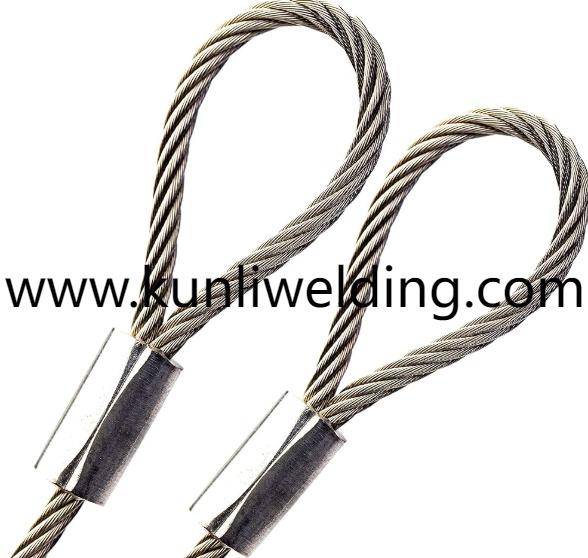
Weld quality depends not only on welding technique and equipment settings but also on the condition of consumable materials at the time of use. Aluminum Welding Wire ER5087 requires careful handling and storage practices to maintain the surface condition and mechanical properties that ensure reliable welding performance. Implementing appropriate material management procedures prevents contamination and degradation that could compromise joint quality.
Surface cleanliness directly affects welding outcomes in aluminum applications. Aluminum readily forms oxide layers when exposed to air, and these oxides melt at temperatures far higher than the base metal. Contaminated wire surfaces introduce oxides, moisture, and other foreign materials into the weld pool, potentially causing porosity, inclusions, and weak fusion. Maintaining wire cleanliness from receipt through consumption protects against these defects.
Original packaging provides the first line of defense against contamination. Manufacturers typically package filler wire in sealed containers or wrap materials that exclude moisture and airborne contaminants. Keeping wire in original packaging until needed for immediate use preserves factory fresh condition. Once packaging is opened, exposure to workshop environments begins the gradual accumulation of surface contaminants.
Storage environment conditions influence how quickly wire condition degrades after packaging is opened. Humidity represents a particular concern for aluminum filler metals, as moisture on wire surfaces can contribute to hydrogen porosity in welds. Storage areas should maintain relatively low humidity levels when possible. Climate controlled facilities offer advantages over storage in unheated or unconditioned spaces where temperature fluctuations cause condensation.
Temperature considerations extend beyond simple humidity control. Bringing cold wire directly from outdoor storage or unheated areas into warm workshop environments creates condensation as moisture from air precipitates onto cold surfaces. Allowing wire to reach ambient temperature before opening packages or loading into welding equipment prevents this moisture accumulation. This acclimation period becomes particularly important during seasonal temperature extremes.
Physical damage to wire surfaces affects feedability through welding equipment and can introduce contaminants. Dropping wire packages, allowing them to contact dirty floors, or stacking heavy items on top of spools can deform wire or damage surface condition. Designated storage racks that protect wire from physical impact and keep packages off the floor help maintain wire integrity.
Shelf life considerations apply even to properly stored filler metals. While aluminum wire does not have the strict time limits associated with some other welding consumables, extended storage allows gradual surface oxidation and potential contamination accumulation. Implementing first in first out inventory rotation ensures that older stock gets used before fresher material, preventing indefinite storage that could degrade performance.
Handling practices during wire loading and equipment setup influence contamination levels. Touching wire with bare hands transfers oils and contaminants from skin onto surfaces that will shortly enter the weld pool. Wearing clean gloves when handling wire reduces this contamination source. Avoiding contact between wire and dirty work surfaces, tools, or equipment components maintains cleanliness throughout the welding process.
Drive roll condition and cleanliness in wire feeding systems affect both wire surface condition and feeding reliability. Dirty or damaged drive rolls can scratch wire surfaces, removing protective packaging oils and exposing fresh aluminum to oxidation. They can also deposit accumulated dirt and debris onto wire as it feeds through. Regular cleaning and inspection of drive systems protects wire condition during use.
Liner cleanliness within wire feeding equipment provides another contamination control point. Debris accumulation inside liners can scratch wire surfaces and introduce particles into the welding arc. Periodic liner replacement or cleaning according to equipment manufacturer recommendations maintains smooth wire feeding while protecting surface condition. Using compressed air to blow out liners removes loose debris between welding sessions.
Contact tip maintenance complements other equipment cleanliness practices. Worn or dirty contact tips can damage wire surfaces and affect arc stability. Regular inspection and replacement of contact tips before excessive wear develops ensures consistent electrical contact and protects wire from mechanical damage during feeding.
Wire remnants left on partially used spools require evaluation before reuse. Wire exposed to workshop atmosphere for extended periods accumulates surface oxidation and contamination. The outer wraps on stored partial spools may require removal and disposal, using only inner wraps that remained better protected. This practice becomes more important for wire stored over weeks or months between uses.
Cleaning procedures for contaminated wire present challenges, as mechanical cleaning can damage soft aluminum surfaces. Chemical cleaning options exist but require careful selection of cleaning agents compatible with aluminum. Prevention through proper storage and handling proves more practical than attempting to restore compromised wire to usable condition. Severely contaminated wire may require disposal rather than risking weld quality issues.
Documentation of wire lots and storage history supports quality control efforts. Recording receipt dates, storage locations, and usage patterns helps identify potential issues if weld quality problems develop. This traceability becomes particularly valuable in regulated industries where material documentation requirements extend beyond basic certification.
Aluminum Welding Wire ER5087 performs reliably when stored and handled according to practices that preserve surface cleanliness and protect against environmental degradation. These material management procedures require minimal investment compared to the costs of weld defects, rework, and potential joint failures. Fabrication operations benefit from establishing and maintaining handling protocols appropriate to their production volumes and facility conditions.
Organizations seeking to implement comprehensive filler metal management programs benefit from guidance that addresses both material characteristics and practical workshop realities. Suppliers who understand the connection between storage practices and welding outcomes provide valuable support beyond simple material delivery. For information on proper handling of Aluminum Welding Wire ER5087 and related consumables, https://kunliwelding.psce.pw/8hphzd offers resources supporting quality oriented fabrication practices.