English
 Arabic
 French
 Spanish
 Portuguese
 Deutsch
 Turkish
 Dutch
Dutch
 Italiano
 Russian
 Romaian
 Portuguese (Brazil)
 Greek
Greek
Golden Goose Ball Star Sneakers and causing crises at various points
Other |
2026-01-27 06:31:39
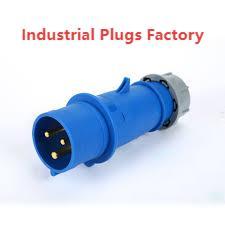
Reliable connections are the backbone of any heavy-duty electrical system, because a properly designed Industrial Plug placed in the circuit path prevents intermittent faults and reduces heat buildup under cyclic loading. In critical installations engineers often specify a Industrial Plug that matches both the electrical demands and the environmental stresses of the site to ensure predictable performance over long service intervals.
Connectors are frequently the most stressed items in a power distribution chain. They experience thermal cycles, mechanical vibration, moisture ingress, and abrasive contamination. Choosing the right family of connectors affects not only immediate safety but also maintenance intervals and total cost of ownership. Poorly matched interfaces increase contact resistance, which raises operating temperatures and accelerates degradation — a downstream problem that can cascade into larger system failures if left unaddressed.
When selecting connectors for demanding applications, focus first on rated current and voltage under realistic operating conditions. Consider continuous and peak loads separately: motors, inrush currents, and transient events all require headroom in ratings. Contact material, plating thickness, and contact geometry determine resistance and durability. Insulation class and dielectric strength influence long-term reliability, especially where high humidity or condensation cycles occur. Always review manufacturer test reports and temperature-rise curves under representative loads.
Ingress protection and mechanical robustness go hand in hand. Look for housings with appropriate IP or NEMA ratings, gasketing systems that maintain compression under vibration, and seals resistant to oils, solvents, and UV exposure if used outdoors. Mechanical features such as captive fasteners, robust locking latches, and strain reliefs reduce the chance of accidental loosening or damage during service. Attention to these details pays off in applications with frequent plug/unplug cycles or exposure to harsh contaminants.
Even the best connector can fail if installed improperly. Proper conductor preparation, correct torque on terminal screws, and suitable strain relief are critical to prevent movement and ensure even contact pressure. Ensure mating halves are aligned and free from debris prior to connection, and use recommended lubricants or anti-seize where appropriate to prevent galling. Train technicians on manufacturer-recommended assembly procedures and document torque values and wiring diagrams inside panels to support consistent field practice.
Choosing connectors with a broad accessory ecosystem simplifies integration and spares management. A supplier that offers mating covers, protective caps, locking devices, and mounting adapters reduces on-site improvisation and expedites repairs. Compatibility with standard mounting plates, cable glands, and conduit fittings accelerates installations on diverse equipment types. When planning projects, coordinate with suppliers for cutout templates and accessory kits to avoid last-minute modifications.
Routine inspection is the most cost-effective way to prevent connector-related outages. Visual checks for corrosion, discoloration, and seal integrity identify early-stage problems. Periodic torque audits, contact resistance measurements, and thermal scans under load detect developing hotspots. Replace seals and worn contacts before they reach failure thresholds; prophylactic interventions in high-duty environments reduce unplanned downtime and can be scheduled during planned outages for minimal disruption.
Modern facilities evolve — designs that facilitate modular upgrades reduce lifecycle costs. Adopt connector families that allow higher-current modules, additional signal contacts, or integrated safety interlocks without redesigning enclosures. Planning for spare capacity in panel layouts and leaving space for future modules makes it easier to support automation upgrades, additional sensors, or new equipment with minimal rework.
Select vendors who provide thorough technical documentation, independent test reports, and clear traceability for materials and finishes. Factory acceptance tests and sample evaluations under expected loading conditions validate performance before full procurement. Standardize on a small set of approved connectors across sites to simplify training, stocking, and troubleshooting. Good supplier relationships also speed warranty resolutions and custom accessory delivery.
A rigorous approach to connector selection, installation, and maintenance ensures that power distribution remains safe and dependable even in the most demanding environments. By combining appropriate electrical ratings, rugged mechanical design, disciplined installation, and proactive maintenance, teams can avoid common failure modes and extend equipment service life. For additional technical guidance and selection resources, see https://www.nante.com/news/industry-news/what-is-industrial-plug.html