English
 Arabic
 French
 Spanish
 Portuguese
 Deutsch
 Turkish
 Dutch
Dutch
 Italiano
 Russian
 Romaian
 Portuguese (Brazil)
 Greek
Greek
Selenium Training
Other |
2026-04-08 09:33:38
In the transient, hazardous world of Fallout 76, where players are nomadic scavengers by design, the most revolutionary act is not looting or fighting, but settling down. This act of domestic rebellion is enabled entirely by the C.A.M.P. system—the Construction and Assembly Mobile Platform. Far more than a mere base-building feature, the C.A.M.P. is the cornerstone of personal agency, a creative engine, and the primary tool for imprinting one’s identity onto the shared landscape of Appalachia. The process of **building** a C.A.M.P. is the game’s quiet, profound endgame, transforming every player from a survivor into an architect of their own post-apocalyptic legacy.
The initial choice of location is a narrative in itself, a fundamental act of **building** the story you wish to tell. Will you claim a strategic mountaintop for defense and grandeur, hug a resource node for industry, or create a welcoming roadside respite for fellow travelers? This decision dictates daily life. A cliffside fortress project communicates isolation and strength, while a cozy cabin by a resource-rich stream suggests self-sufficient homesteading. The game’s versatile building system, though sometimes finicky, allows for staggering creativity. Players construct not just shelters, but intricate multi-story mansions, floating sci-fi platforms, rustic taverns, and thematic museums showcasing rare junk. Every placed wall, every carefully angled piece of furniture, and every curated display of trophies becomes a paragraph in an ongoing, visual autobiography.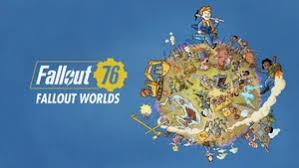
This personal architecture directly fuels the game’s social and economic ecosystems. By making C.A.M.P.s permanently visible on the public map, especially when vending machines are active, private builds become public destinations. Wandering the wasteland, one stumbles upon these player creations not as copy-pasted templates, but as unique expressions of personality. Discovering an elaborate puzzle camp, a fully functional nightclub, or a meticulously themed Red Rocket garage creates moments of shared delight and connection. These spaces become the hubs of a barter economy, where players exchange caps for rare plans, legendaries, and surplus aid. The simple, silent transaction at a vending machine often leads to a friendly emote of thanks, forging a tangible, wordless link between dwellers.
Moreover, the C.A.M.P. fulfills a deep-seated psychological need for permanence and ownership in a hostile, transient world. After a grueling expedition into a blast zone or a failed attempt at a colossal boss fight, the sight of one’s own customized haven on the horizon carries immense emotional weight. It is a sanctuary for crafting, displaying hard-earned rewards, cultivating crops, and simply existing without immediate threat. This cycle of venturing into chaos and returning to a self-made order creates a profoundly satisfying rhythm. It answers the core post-apocalyptic fantasy not of mere survival, but of reclamation and rebuilding.
The C.A.M.P. system is the unsung hero of Fallout 76 Bottle Caps’s longevity. It empowers players to be creators, not just consumers, of the world’s content. It transforms the map from a developer-made playground into a collaborative, ever-changing collage of human persistence. Each structure, from the most fortified bunker to the most whimsical diner, stands as a monument to the urge to create beauty and order from atomic ash. In rebuilding their own small corners of Appalachia, players collectively rebuild the world’s soul, one meticulously placed wall at a time.