English
 Arabic
 French
 Spanish
 Portuguese
 Deutsch
 Turkish
 Dutch
Dutch
 Italiano
 Russian
 Romaian
 Portuguese (Brazil)
 Greek
Greek
arrived in one of Golden Goose the brand's business
Shopping |
2025-11-07 06:15:33
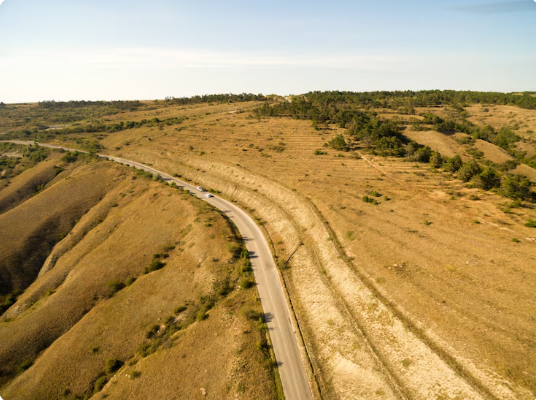
Dirt road construction in Dahlonega, GA, has become an essential service for residents, property owners, and developers in this scenic part of North Georgia. With its rolling hills, rural landscapes, and growing communities, having a reliable and well-constructed dirt road is crucial for accessibility, safety, and long-term property value. Whether you are building a private driveway, an access road for agricultural land, or enhancing a rural property, understanding the process of dirt road construction in Dahlonega, GA, is key to ensuring a durable and low-maintenance road.
Why Dirt Road Construction is Important
Dirt roads are a cost-effective solution for rural and semi-rural areas where paved roads may not be practical or necessary. In Dahlonega, GA, many properties are located in hilly or wooded terrain, making paved roads expensive and sometimes environmentally disruptive. Dirt road construction provides several advantages:
Planning Your Dirt Road
The success of dirt road construction begins with careful planning. In Dahlonega, GA, topography, soil type, drainage patterns, and intended traffic load all play a significant role in road design. Here are key factors to consider:
The Dirt Road Construction Process
Once the planning phase is complete, the construction process begins. Professional dirt road construction in Dahlonega, GA, typically involves several key steps:
Choosing the Right Contractor
For a successful dirt road construction project in Dahlonega, GA, hiring a skilled contractor is essential. Look for contractors with experience in rural road construction, knowledge of local soil conditions, and equipment capable of handling the unique terrain in North Georgia. A professional contractor can help with:
Cost Factors
The cost of dirt road construction in Dahlonega, GA, can vary depending on several factors:
Despite these variables, dirt roads remain a more affordable solution than paved alternatives, especially for private properties or rural developments.
Maintenance Tips
Even a well-constructed dirt road requires periodic maintenance to ensure safety and functionality. Key maintenance practices include:
Environmental Considerations
When building a dirt road in Dahlonega, GA, it is important to consider environmental impacts. Proper drainage and erosion control help protect nearby streams, wildlife habitats, and vegetation. Using locally sourced gravel and minimizing tree removal can reduce the ecological footprint of the project.
Benefits of Professional Dirt Road Construction
Investing in professional dirt road construction in Dahlonega, GA, ensures the road will be durable, safe, and low-maintenance. Professionals bring knowledge of soil mechanics, drainage solutions, and construction techniques that homeowners or property developers may not possess. A well-constructed dirt road not only enhances access but also adds value to your property.
Conclusion
Dirt road construction in Dahlonega, GA, is more than just creating a path; it is about ensuring accessibility, safety, and long-term durability for rural properties and developments. With proper planning, expert construction, and ongoing maintenance, a dirt road can provide reliable access year-round while blending seamlessly with the natural beauty of North Georgia. Whether you are a property owner looking to build a private driveway or a developer constructing access roads for multiple parcels, understanding the key steps and considerations of dirt road construction in Dahlonega, GA, is essential for a successful project.
By investing in professional services and following best practices for construction and maintenance, dirt roads in Dahlonega can last for decades, offering practical, cost-effective, and environmentally conscious access for residential, agricultural, and commercial purposes.