English
 Arabic
 French
 Spanish
 Portuguese
 Deutsch
 Turkish
 Dutch
Dutch
 Italiano
 Russian
 Romaian
 Portuguese (Brazil)
 Greek
Greek
MMOexp:Archer Monk Build Guide for Path of Exile 2
Games |
2025-12-26 07:42:05
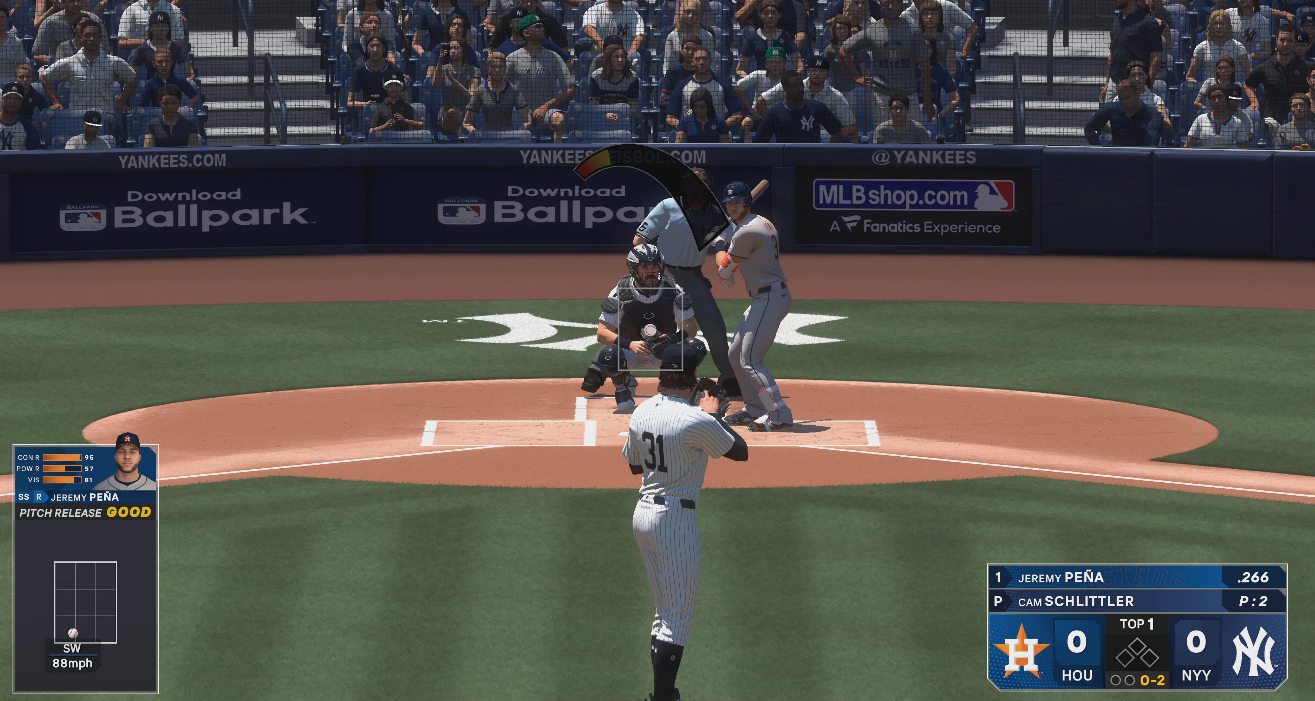
If you’ve been playing MLB The Show for a while, you know how important prospect development is for building your franchise. MLB The Show 26 continues to improve in how prospects grow, making it feel much more organic compared to previous editions. Whether you're in the early stages of your career mode or managing a long-term dynasty, understanding how prospect growth works in MLB The Show 26 will help you make smarter decisions and get the most out of your younger players.
In MLB The Show 26, player growth feels more natural. It’s not just about upgrading attributes through repetitive training or blindly investing in stubs. The game now takes into account a variety of factors that can either boost or slow down a prospect’s development. These include things like how often they play, their performance, and their training programs.
When you first draft or sign a young prospect, their growth potential is largely determined by their base attributes, age, and potential. But growth isn’t automatic. Here’s how it works in practice:
Playtime and Performance Matter: A player’s performance on the field will directly impact their growth. If a player performs well in Triple-A or the majors, they’re more likely to see their ratings improve. On the flip side, poor performance, especially at higher levels, can stunt growth or even cause regressions.
Development Plans: MLB The Show 26 has a more refined system for training players. You can assign specific development plans to a prospect to target certain attributes. If you have a young pitcher who needs better stamina, for example, you can set them on a training plan that focuses on that. Just keep in mind that the effectiveness of these plans can vary depending on the prospect’s age and starting skill set.
Player Personality and Morale: New to MLB The Show 26 is a more detailed morale system. How a player feels about their situation—whether it’s their current level, role on the team, or playing time—can affect their growth. A player who's unhappy with limited MLB appearances might not develop as quickly. You’ll need to pay attention to the "morale" status and adjust accordingly. This adds a layer of realism to prospect growth, making it more unpredictable than just following a linear growth path.
While some things are out of your control, there are ways to speed up your prospects’ growth in MLB The Show 26. Here are a few key strategies that have worked for many players:
Regular Playing Time: Don’t leave your young players rotting away in the minor leagues if you can help it. Give them the playing time they need, especially in high-pressure environments like MLB games. The more they’re in the game, the quicker they’ll improve, provided you give them consistent chances.
Training Focus: As mentioned earlier, you can assign a training plan to your prospects. If you see a weak spot in their game—whether it’s power for a hitter or velocity for a pitcher—you can help them grow more efficiently by focusing their training on these areas. It can be tempting to train for multiple areas at once, but it's often better to focus on a specific skill to see more immediate results.
Correct Development Path: Not all players are suited for every role. Take time to study each prospect’s strengths and weaknesses. Some might have the tools to become a star closer, while others may excel in a setup role. If you try to push a prospect into a role they’re not suited for, growth can stagnate. Be realistic about their potential and assign roles accordingly.
Trade for the Right Coaching Staff: Coaches have a massive impact on player growth, and they’re not always easy to come by. If you have the resources, consider making moves to bring in coaches who can develop your prospects at a quicker pace. Specialized coaches can help unlock hidden potential and speed up their progression.
Sometimes players don’t grow, or worse, they regress. MLB The Show 26 has a more realistic approach to this than earlier games. In fact, prospect regression can happen more organically, usually as a result of injuries, age, or poor performance.
Injury Impact: Injuries now have a more significant impact on a player’s career. If one of your prospects gets injured for an extended period, it can severely delay or even halt their development. Some injuries might lead to permanent attribute losses. Make sure to monitor your players closely and give them the necessary rest.
Age and Potential: Age is another factor in how your prospects grow. While younger players tend to develop faster, they eventually hit a plateau. Once a player reaches their mid-20s, their potential begins to narrow, and their growth slows down. This is especially true if they aren’t getting consistent playing time in higher levels of the minors or the majors.
Performance Slumps: Just like real-life players, prospects can experience slumps. A couple of bad months in Double-A might cause their growth to slow down. You might even see a drop in certain attributes if their performance suffers long enough. It’s key to address these slumps early and adjust their development plans to get them back on track.
You might be wondering if it’s worth investing your MLB The Show 26 stubs into your prospects. While stubs are often used for purchasing packs or specific player cards, they can also help you develop your prospects in certain ways.
Here are some things you can do with stubs to assist in development:
Training Plans: While you can set basic development plans for free, premium training programs require stubs. These can offer higher rewards for a prospect’s growth, which can make the process faster.
Better Coaching Staff: High-level coaches require stubs to acquire, and some of these coaches can significantly speed up the development of your prospects. If you’re looking to develop a strong farm system, investing in elite coaching staff can be a worthwhile use of stubs.
Performance Boosts: Some packs and player boosts may give your prospects a temporary attribute boost, which can help them break through growth plateaus. This isn't as long-term as a well-planned training strategy, but it can be useful in the short term.
However, it’s important to remember that spending MLB The Show 26 stubs doesn’t guarantee instant success. Don’t expect to turn a low-rated prospect into a future MVP with stubs alone. It’s best to combine stubs with sound in-game strategy, playtime, and proper development focus to see meaningful results.
Not all prospects pan out. That’s just part of the game. In MLB The Show 26, you can get a better sense of whether a prospect will be a bust by looking at the following indicators:
Inconsistent Growth: If a player isn’t showing consistent improvement despite regular playing time and training, they might not be worth keeping long-term. Players who consistently fail to improve—even if they’ve had a good amount of time in the minors—may be destined for a career as a bench player or a trade chip.
Performance vs. Potential: Some prospects might have high potential ratings but struggle to perform in-game. These players tend to have inflated potential that doesn’t always match their on-field performance, signaling they might not develop into what you expected.
Too Many Red Flags: If a prospect is showing multiple warning signs like poor morale, repeated injuries, and bad performance, they might not be worth sticking with. Even with high potential, if they can’t stay healthy or motivated, their development may be stunted beyond recovery.
Prospect growth in MLB The Show 26 feels much more natural and balanced. The new development system allows for more realistic growth trajectories based on factors like performance, playtime, and morale. By managing your prospects carefully, focusing on training, and being mindful of age and injuries, you can build a farm system that will sustain your franchise for years. Always remember, growth isn’t linear, and not every player will become a star—but the excitement of seeing a raw prospect develop into a major league player is what keeps the game fresh season after season.