English
 Arabic
 French
 Spanish
 Portuguese
 Deutsch
 Turkish
 Dutch
Dutch
 Italiano
 Russian
 Romaian
 Portuguese (Brazil)
 Greek
Greek
RSVSR Why Fast Track Bunker Research Saves Hours in GTA 5 Online
Games |
2026-01-31 06:48:06
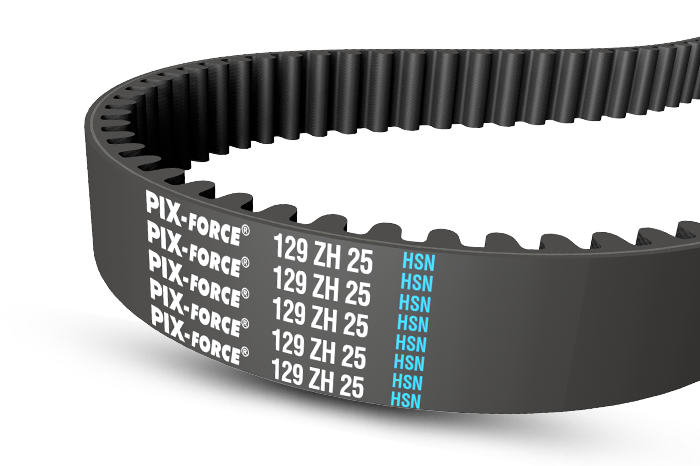
Heavy-duty vehicles are built to work harder, travel longer distances, and carry heavier loads than regular cars. From trucks and buses to construction equipment and agricultural machines, every component must perform reliably under pressure. One small yet extremely important part that often goes unnoticed is the V-belt.
A V-belt may look simple, but it plays a critical role in keeping essential vehicle systems running smoothly. When it performs well, the engine works efficiently. When it fails, unexpected breakdowns can happen at the worst possible moment. As vehicle technology evolves in 2026, experts are paying closer attention to how V-belts are designed, selected, and maintained.
This guide explores what makes a V-belt suitable for heavy-duty vehicles, what experts recommend today, and how drivers and fleet operators can make smarter choices.
If you want to better understand how Motor vehicle V-belts(Kfz-Keilriemen) support reliable vehicle performance and long-term efficiency, learning from trusted industry specialists can make a real difference. PIX Germany GmbH shares valuable insights and technical expertise for those looking to deepen their knowledge of belt systems and applications. Contact them to explore more educational resources and professional guidance.
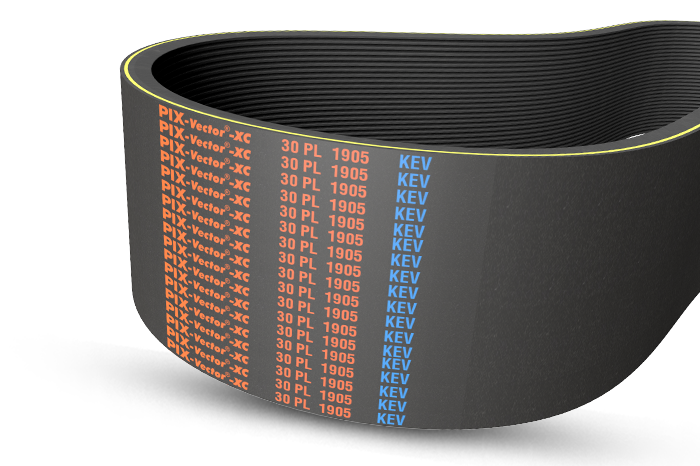
A V-belt transfers power from the engine to important parts such as the alternator, water pump, cooling fan, and air conditioning system. In heavy-duty vehicles, these components operate under extreme conditions, including long driving hours, high temperatures, dust exposure, and heavy engine loads.
Unlike passenger cars, heavy-duty machines rarely get long rest periods. Many operate continuously for hours or even days. This constant motion creates friction and heat, which can slowly weaken belts over time.
The real challenge is that V-belt problems often begin silently. A belt may look fine from the outside while internal damage is already developing. This hidden wear is one reason experts stress choosing the right belt from the beginning.
Modern heavy vehicles are more powerful and efficient than ever before. Engines now produce higher torque while aiming to reduce fuel consumption. This combination puts extra pressure on power transmission components.
Experts in 2026 highlight three major changes influencing V-belt selection:
Higher engine efficiency demands – Engines rely on precise power transfer to maintain performance.
Longer service intervals – Fleet operators want parts that last longer between maintenance stops.
Extreme working environments – Construction, mining, and logistics vehicles face harsh conditions daily.
Because of these factors, not every V-belt is suitable for heavy-duty applications. The difference between an average belt and a high-quality one can mean thousands of kilometers of reliable operation.
When specialists evaluate V-belts for demanding vehicles, they focus on durability rather than appearance. Several characteristics separate reliable belts from short-lasting ones.
A strong heavy-duty V-belt usually includes:
Heat resistance, allowing it to function without cracking under high engine temperatures.
High tensile strength, which helps the belt handle heavy loads without stretching.
Flexible construction, enabling smooth movement around pulleys.
Wear resistance, reducing surface damage caused by friction and dust.
Stable grip, ensuring power transfer remains consistent even under sudden acceleration.
These features may not always be visible, but they directly affect how long a belt survives in real-world use.
Not all V-belts are built the same. Experts categorize belts based on their design and performance capability.
These are traditional belts widely used in older trucks and machinery. They are reliable and easy to replace but may require more frequent maintenance compared to newer designs.
Narrow belts carry more power while using less space. Many modern heavy-duty vehicles prefer them because they provide stronger grip and improved efficiency.
Cogged belts have small grooves that allow better airflow and flexibility. This design helps reduce heat buildup, making them ideal for vehicles operating in hot environments.
These belts connect multiple belts into a single unit. They are commonly used in high-load machines because they prevent belt twisting and improve stability.
The growing popularity of banded and cogged designs in 2026 reflects the industry’s move toward longer-lasting components.
| V-Belt Type | Best Used For | Main Advantage | Typical Environment |
|---|---|---|---|
| Classical V-Belt | Older trucks & equipment | Simple replacement | Moderate workloads |
| Narrow V-Belt | Modern heavy vehicles | Higher power capacity | Long-distance transport |
| Cogged V-Belt | High-temperature operation | Better cooling & flexibility | Hot climates |
| Banded V-Belt | High-load machinery | Improved stability | Construction & mining |
Interestingly, experts rarely start by choosing a brand or model. Instead, they study vehicle behavior and working conditions first.
They consider questions such as:
Is the vehicle running continuously for long hours?
Does it operate in dusty or muddy areas?
Are frequent load changes common?
Is engine heat unusually high?
These factors help determine which belt design will perform best. A belt perfect for highway trucks may fail quickly in mining equipment simply because the working conditions differ.
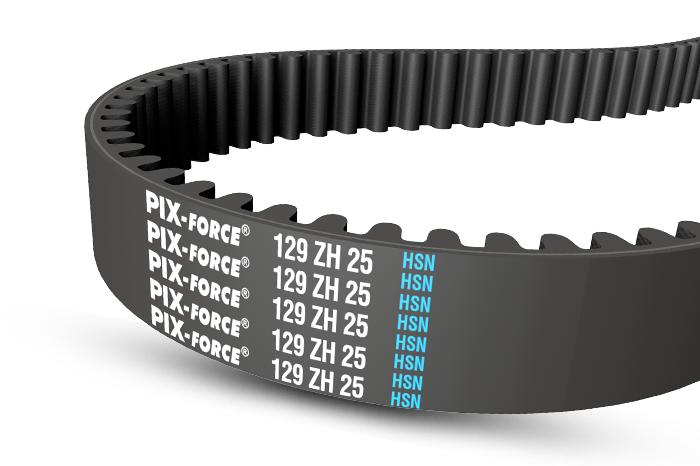
Even the best V-belt cannot perform well if operating conditions are poor. Experts often say that belt life depends as much on installation and maintenance as on quality.
Important performance influences include proper tension, pulley alignment, and regular inspection. A belt that is too tight may wear out quickly, while a loose belt can slip and generate heat.
Below is a simplified overview of how operating conditions affect performance.
| Operating Condition | Effect on Belt | Result Over Time | Expert Recommendation |
|---|---|---|---|
| High temperature | Material hardening | Cracks develop | Use heat-resistant belts |
| Dust exposure | Surface wear | Reduced grip | Frequent inspection |
| Heavy loads | Stretching | Loss of tension | Choose reinforced belts |
| Misalignment | Uneven wear | Early failure | Check pulley alignment |
| Continuous operation | Heat buildup | Faster aging | Schedule maintenance checks |
Here is where things become surprising. Many early failures are not caused by poor belts but by small installation mistakes.
A slightly misaligned pulley or incorrect tension setting may reduce belt life by half. Drivers often notice noise or vibration but ignore it, assuming it is normal. In reality, these are early warning signs.
Experts recommend paying attention to unusual sounds, reduced cooling efficiency, or dimming electrical systems. These subtle clues often appear weeks before a belt breaks.
Recognizing these signals early can prevent costly downtime.
The future of V-belts is evolving quietly. While electric vehicles are growing, many heavy-duty sectors still rely heavily on combustion engines and hybrid systems.
In 2026 and beyond, experts expect:
Improved rubber compounds that resist heat and wear.
Stronger reinforcement materials for heavy loads.
Longer service intervals reducing maintenance stops.
Better compatibility with fuel-efficient engines.
These advancements aim to make belts more reliable while lowering operating costs for vehicle owners and fleet managers.
V-belts may not attract much attention compared to engines or transmissions, yet they remain essential to heavy-duty vehicle performance. Choosing the right type depends on understanding workload, environment, and vehicle demands rather than simply selecting the most common option.
A heavy-duty V-belt can last between 60,000 and 100,000 kilometers depending on load, environment, and maintenance practices.
Squealing often happens due to loose tension, pulley misalignment, or surface wear that causes slipping.
They are often preferred in high-temperature environments because their design improves flexibility and cooling.
Yes, it can reduce power transfer, leading to overheating, charging problems, or reduced efficiency.
Experts recommend checking belts during every routine service or after long operating cycles.