English
 Arabic
 French
 Spanish
 Portuguese
 Deutsch
 Turkish
 Dutch
Dutch
 Italiano
 Russian
 Romaian
 Portuguese (Brazil)
 Greek
Greek
Eyelash Boxes That Elevate Beauty Brands and Boost Sales
Other |
2026-02-19 06:32:21
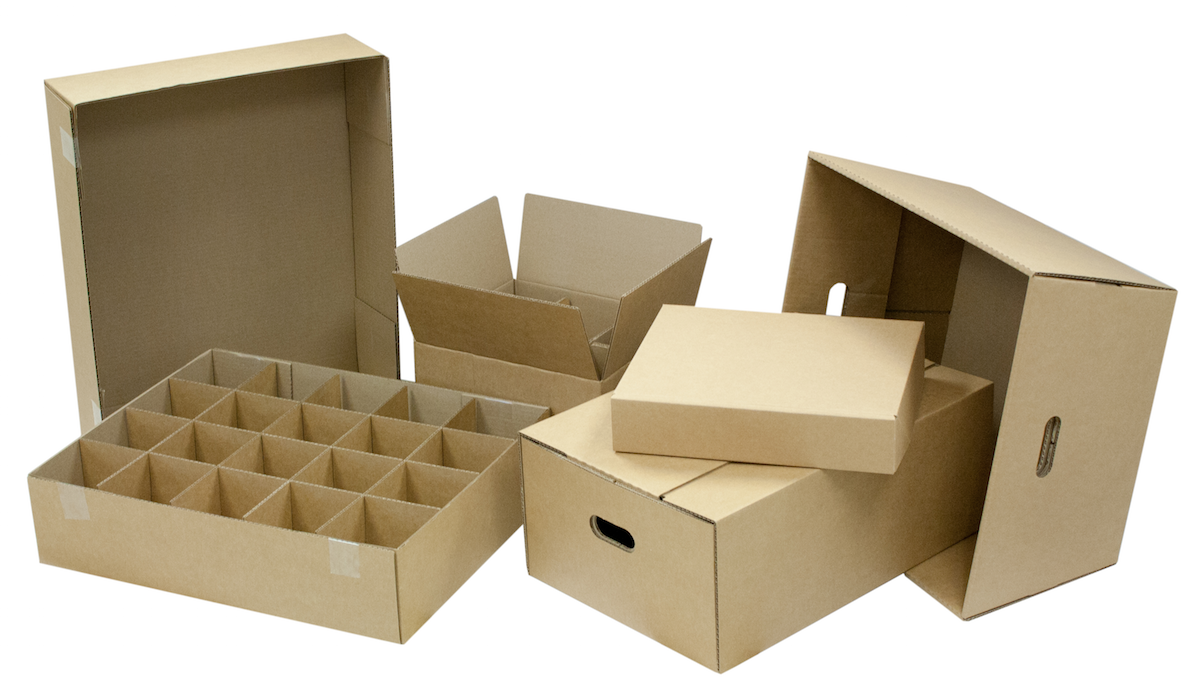
Packaging decisions no longer depend on cost alone. Today, companies study environmental impact, supply chain risk, and consumer trust before choosing materials. When they compare corrugated and plastic through full lifecycle analysis, many discover that fiber offers long-term advantages.
Below is a detailed, research-based exploration written in a natural and expert tone.
Lifecycle analysis, often called LCA, measures environmental impact from raw material extraction to final disposal. It looks at carbon emissions, water use, energy demand, transport, reuse cycles, and end-of-life outcomes. Instead of focusing on a single stage, it evaluates the entire journey of a product.
For decades, plastic gained popularity because it appeared durable and reusable. Companies believed longer use meant lower impact. However, deeper lifecycle studies show that durability alone does not guarantee sustainability. The production phase of plastic is highly energy intensive. It relies on fossil fuels, which increases carbon emissions before the product is even used.
Corrugated packaging tells a different story. It begins with renewable fiber sourced from managed forests. Trees regrow, absorb carbon, and support circular material flows. When analysts measure emissions across extraction, production, transport, and disposal, corrugated often performs better overall.
Another critical factor in lifecycle analysis is scale. Large corporations ship millions of units each year. Even small differences in weight, fuel consumption, or recycling rates multiply into significant environmental outcomes. Therefore, packaging choices at scale create measurable global impact.
As environmental reporting becomes stricter, lifecycle data influences corporate strategy. Sustainability teams rely on verified metrics, not assumptions. In many of these assessments, fiber-based corrugated demonstrates lower carbon intensity and better recovery rates compared to plastic alternatives.
This data-driven approach explains why major brands are re-evaluating earlier decisions and reconsidering fiber as a core packaging material.
The story begins with material sourcing. Corrugated packaging uses wood fiber, primarily from responsibly managed forests. These forests operate under strict certification systems. Trees are replanted and managed for long-term growth. As trees grow, they absorb carbon dioxide from the atmosphere. This natural carbon storage plays a vital role in climate regulation.
Plastic, on the other hand, originates from petroleum or natural gas. These fossil resources formed over millions of years. Once extracted and used, they cannot regenerate within human timescales. Extraction processes disturb ecosystems and release stored carbon.
Moreover, oil refining requires complex chemical processing. It consumes large amounts of energy. It also introduces risk of spills and leaks. In contrast, modern paper mills increasingly use biomass energy derived from wood byproducts. This reduces dependence on fossil fuels.
Supply stability also matters. Oil prices fluctuate due to geopolitical tensions and global market shifts. Fiber sourcing tends to be more regionally distributed. Many countries maintain strong forestry sectors, which reduces supply chain volatility.
Corporate procurement teams now examine environmental risk alongside financial risk. Renewable sourcing provides long-term security. It aligns with corporate climate commitments. It also reduces exposure to fossil-based regulations and carbon taxes.
When companies map the environmental footprint from the very beginning, renewable fiber often stands out as a more responsible and resilient starting point for packaging production.
Manufacturing represents a major portion of packaging emissions. Plastic production involves polymerization, molding, and shaping processes. These steps require high heat and pressure. Most facilities rely heavily on fossil-based electricity. As a result, carbon emissions increase significantly during production.
Corrugated manufacturing also consumes energy, particularly in pulping and paper formation. However, many mills generate energy internally. They burn bark and residual biomass from wood processing. This reduces external fossil fuel demand. It also lowers net greenhouse gas emissions.
Another key advantage lies in recycled content. Corrugated boxes commonly contain high levels of recycled fiber. Using recovered paper requires less energy than producing virgin pulp. This lowers total emissions per unit.
Additionally, innovation continues to improve efficiency. Modern corrugators operate with precise moisture and temperature controls. They minimize waste and optimize board strength. Engineers design boxes that use less material while maintaining performance. This practice reduces energy use per package.
In contrast, recycled plastic often faces quality limitations. Contamination and mixed resin types reduce usability. Many plastic products still depend on virgin resin to meet strength requirements.
When lifecycle assessments compare total emissions from manufacturing alone, fiber-based packaging frequently demonstrates a smaller carbon footprint. For corporations with science-based emission targets, these reductions play a crucial role in meeting public commitments.
Transportation impacts both cost and environmental performance. Packaging weight and volume determine how efficiently trucks, ships, and planes operate. Corrugated boxes ship flat before assembly. This allows companies to transport large quantities in a single load. It reduces fuel consumption and warehouse space.
Plastic containers usually ship in pre-formed shapes. They occupy more space during transport. Although they can be reused, they require reverse logistics systems. Empty containers must return to origin points for cleaning and redistribution. These return trips add mileage and fuel use.
At a large scale, reverse logistics becomes complex. Containers may get lost, damaged, or delayed. Tracking systems increase operational costs. Cleaning facilities consume water and energy.
Corrugated packaging simplifies this process. It moves forward through the supply chain and then enters recycling streams locally. There is no need for return transport.
Global retailers and e-commerce companies analyze shipping efficiency closely. Even slight weight reductions translate into major fuel savings across millions of shipments. Lighter fiber packaging supports these efficiency goals.
In addition, corrugated absorbs shock effectively. It protects goods during long-distance shipping. Advances in structural design improve stacking strength and durability. As a result, performance differences between corrugated and plastic continue to narrow.
When companies evaluate total transportation emissions, including return cycles, corrugated often delivers a lower overall impact.
The end-of-life phase significantly influences lifecycle results. Corrugated packaging benefits from one of the most successful recycling systems worldwide. Recovery rates often exceed 80 percent in developed markets. Consumers understand how to recycle boxes. Businesses generate clean streams of used corrugated, which mills readily process.
Recovered fiber re-enters the production cycle quickly. It becomes new boxes or other paper products. Fibers can be recycled multiple times before they degrade. This supports a strong circular economy model.
Plastic recycling faces more challenges. Different resin types complicate sorting. Food contamination reduces recyclability. Even when collected, some plastics are downcycled into lower-value products. Many still end up in landfills or incinerators.
Environmental concerns about ocean plastic further influence corporate decisions. Public awareness increases pressure on brands to minimize plastic use. Fiber packaging rarely appears in marine pollution discussions, which strengthens its environmental image.
Landfill impact also differs. Fiber decomposes faster than most plastics. Although decomposition releases carbon, it does not persist for centuries like plastic waste.
Because circular economy goals now shape corporate sustainability strategies, materials that integrate smoothly into established recycling systems gain priority. Corrugated aligns well with these objectives, making it a preferred choice for companies aiming to close the material loop.
While sustainability drives change, financial logic must also support decisions. Lifecycle costing includes production, transport, storage, loss, cleaning, disposal, and regulatory compliance.
Reusable plastic systems require asset tracking and sanitation infrastructure. Loss rates reduce reuse cycles. Damaged containers may not be recyclable. These hidden costs accumulate over time.
Corrugated packaging operates on a simpler model. It eliminates return logistics and cleaning operations. Bulk purchasing strategies also reduce unit costs. Many companies secure competitive pricing through Corrugated Boxes Wholesale suppliers, especially when operating at high volumes.
Market competition among fiber suppliers supports price stability. Furthermore, high recycling rates reduce disposal fees in many regions.
Future regulatory costs may also influence pricing. Governments increasingly tax virgin plastic or require recycled content. These measures can increase long-term plastic expenses.
When financial teams calculate total cost of ownership, corrugated often proves economically competitive or superior. This alignment between sustainability and cost efficiency accelerates corporate transitions back to fiber.
Consumers today expect visible environmental responsibility. Packaging serves as a direct communication tool. A corrugated box clearly signals recyclability and renewable sourcing. This perception strengthens brand trust.
Plastic packaging, even when recyclable, often triggers negative reactions. Media coverage of plastic pollution influences consumer behavior. Shoppers associate fiber with lower environmental harm.
Investors also examine environmental, social, and governance metrics. Packaging material choices contribute to ESG scores. Brands that reduce plastic usage often receive positive recognition.
Clear environmental messaging printed on corrugated surfaces enhances transparency. Companies explain recycling instructions and sustainability commitments directly on the box. This strengthens credibility.
Major corporations operate under intense public scrutiny. Their packaging choices reflect corporate values. When lifecycle analysis, consumer perception, and regulatory alignment point toward fiber, decision-makers respond accordingly.
The shift back to corrugated is not a trend driven by nostalgia. It reflects careful analysis, evolving expectations, and measurable environmental data. As innovation continues, fiber-based packaging will likely expand its role in global supply chains.
In the balance between durability, sustainability, cost, and trust, corrugated increasingly emerges as the smarter long-term solution.
The comparison between corrugated and plastic packaging reveals more than just material differences—it reflects the broader impact of business decisions on the environment, costs, and brand perception. Lifecycle analysis shows that corrugated excels in renewable sourcing, lower production emissions, efficient transport, and strong end-of-life recycling. It integrates seamlessly into circular economy systems while reducing supply chain risk and operational complexity.
Financially, corrugated boxes remain competitive. Bulk purchasing, simpler logistics, and high recycling rates help companies manage costs effectively. In contrast, plastic often carries hidden expenses from cleaning, tracking, reverse logistics, and potential regulatory fees. When factoring in total cost of ownership, corrugated frequently offers a more sustainable and economically sensible solution.
Consumer perception and corporate ESG expectations further reinforce the switch. Shoppers prefer packaging that is recyclable, renewable, and environmentally responsible. Brands that adopt corrugated demonstrate transparency and commitment to sustainability, boosting trust and loyalty. Investors and regulators increasingly reward companies that align packaging choices with climate goals.
Innovation continues to enhance fiber performance, from stronger, lighter boxes to recyclable coatings and digital customization. These improvements allow corrugated packaging to meet modern demands without compromising environmental responsibility.
Click Here: https://ibexpackaging.com/corrugated-boxes/