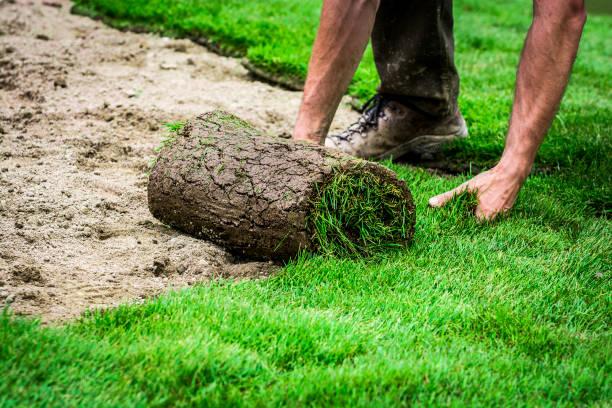
Creating a lush, green lawn can completely transform an outdoor space. Whether for a new build or a garden renovation, proper turf laying ensures long-lasting results. While spring and autumn are often considered ideal, turf can be laid successfully in almost any season with the right preparation and care.
At The Lawn Turf Laying Company, professional expertise and careful planning make all the difference. Below are ten essential tips to guarantee successful results, no matter the time of year.
1. Choose the Right Time and Conditions
Although turf laying can be done year-round, mild temperatures are ideal. Spring and early autumn provide warm soil and moderate rainfall, encouraging root development. In summer, extra watering is essential. During winter, avoid frozen or waterlogged ground.
Always check soil conditions before starting turf installation. If the soil crumbles easily and is not frozen or saturated, work can begin.
2. Prepare the Ground Thoroughly
Preparation is the foundation of successful turf laying. Remove all weeds, stones and debris from the area. Dig the soil to a depth of around 15–20 cm to improve drainage and aeration.
After digging, rake the surface to create a fine, level finish. A flat surface ensures even laying lawn turf and prevents dips that collect water.
3. Improve Soil Quality
Healthy soil promotes strong root growth. Add quality topsoil if the existing soil is poor or compacted. Mixing in organic matter improves structure and fertility.
Before turf installation, apply a pre-turf fertiliser to give new grass the nutrients required for quick establishment.
4. Level and Firm the Surface
Once the soil is prepared, lightly water it and allow it to settle. Rake again to remove high spots and fill low areas.
Firm the soil by walking over it or using a roller. The surface should feel solid but not compacted. Proper levelling is essential for professional-looking turf laying results.
5. Lay Turf Immediately After Delivery
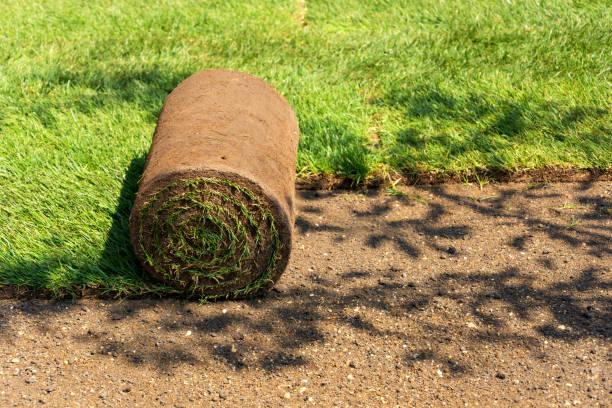
Fresh turf should be laid as soon as possible, ideally within 24 hours of delivery. Leaving rolls stacked can cause overheating and damage.
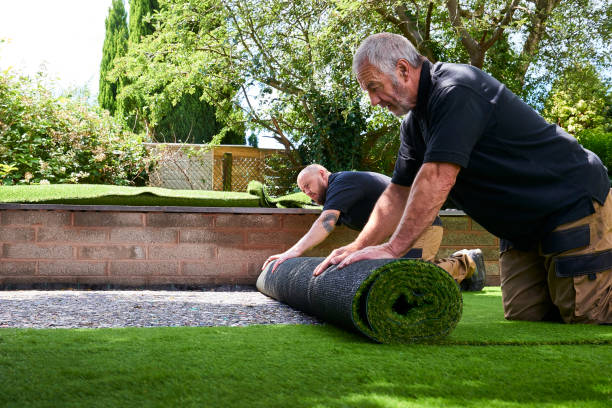
Start laying lawn turf along a straight edge, such as a fence or patio. Stagger joints in a brickwork pattern to avoid visible seams.
6. Ensure Tight Joints Without Overlapping
During turf installation, push each roll tightly against the next without stretching. Avoid overlapping edges, as this can cause uneven growth.
Use a sharp knife to trim edges neatly around borders and pathways. Attention to detail at this stage enhances the final appearance.
7. Water Thoroughly After Turf Laying
Watering is crucial for successful turf laying in any season. Immediately after installation, soak the lawn thoroughly so water penetrates the soil beneath.
In warmer months, daily watering may be required during the first two weeks. In cooler seasons, reduce frequency but ensure the soil remains moist. Consistent moisture supports strong root establishment.
8. Avoid Walking on New Turf
Freshly laid turf needs time to root. Minimise foot traffic for at least two to three weeks. Walking on new turf can cause uneven surfaces and disrupt root bonding.
If access is necessary, use boards to distribute weight evenly across the lawn.
9. Mow at the Right Time
The first mow should take place once the grass reaches around 5–7 cm in height. Ensure the mower blades are sharp to prevent damage.
Never remove more than one-third of the grass height in a single cut. Regular mowing encourages thicker growth and a healthier lawn following turf installation.
10. Maintain Ongoing Care
Successful turf laying does not end after installation. Regular watering, feeding and seasonal care are essential. Apply fertiliser during the growing season and aerate annually to prevent compaction.
In summer, increase watering during dry spells. In winter, avoid heavy use when the ground is frosty. Proper maintenance ensures a vibrant lawn throughout the year.
Seasonal Considerations for Turf Laying
Spring
Spring offers ideal conditions for turf laying due to warming soil and moderate rainfall. Rapid root establishment occurs during this period, reducing long-term maintenance concerns.
Summer
Summer turf installation requires close attention to watering. Early morning or evening watering prevents evaporation and stress. Shade can also help reduce heat impact.
Autumn
Autumn is often considered perfect for laying lawn turf. Warm soil combined with cooler air encourages steady root development.
Winter
Winter turf laying is possible if the ground is not frozen. Growth may slow, but roots will establish gradually, ready for strong growth in spring.
Why Professional Turf Installation Matters
While turf laying can be a DIY project, professional services ensure precise preparation and expert finishing. The Lawn Turf Laying Company provides reliable guidance, high-quality materials and skilled installation for long-lasting lawns.
Expert assessment of soil, drainage and seasonal conditions reduces risk and improves outcomes. Professional turf installation saves time and ensures a flawless finish.
Final Thoughts
Successful turf laying in any season depends on preparation, timing and consistent aftercare. From soil improvement to correct watering techniques, every step plays a vital role in creating a thriving lawn.
With expert guidance from The Lawn Turf Laying Company, achieving a lush and durable lawn becomes a straightforward and rewarding process. Careful planning and ongoing maintenance ensure that turf installation delivers beautiful results that enhance outdoor spaces throughout the year.
Frequently Asked Questions (FAQ)
1. How long does turf laying take to establish?
Roots typically begin establishing within 10–14 days. Full establishment may take four to six weeks depending on weather and maintenance.
2. Can turf installation be done in winter?
Yes, turf installation can be completed in winter provided the soil is not frozen or waterlogged. Growth will be slower, but rooting still occurs.
3. How often should new turf be watered?
Water daily during the first two weeks in warm weather. In cooler conditions, water as needed to keep soil consistently moist.
4. When is the best time for laying lawn turf?
Spring and autumn are ideal due to moderate temperatures and rainfall. However, turf laying can be successful year-round with proper care.
5. When can a new lawn be used normally?
Light use may begin after three weeks if roots are firmly established. Tug gently at a corner; resistance indicates successful rooting.
6. Do fertilisers help after turf installation?
Yes, applying a balanced fertiliser after initial rooting promotes healthy growth and colour.
7. How can uneven patches be avoided?
Proper ground preparation, careful levelling and avoiding foot traffic during early stages prevent uneven surfaces.
 English
 Arabic
 French
 Spanish
 Portuguese
 Deutsch
 Turkish
 Dutch
Dutch
 Italiano
 Russian
 Romaian
 Portuguese (Brazil)
 Greek
Greek