English
 Arabic
 French
 Spanish
 Portuguese
 Deutsch
 Turkish
 Dutch
Dutch
 Italiano
 Russian
 Romaian
 Portuguese (Brazil)
 Greek
Greek
How YD-Purification Roller Shutter Door Enhances Industrial Security
Other |
2025-11-10 02:34:40
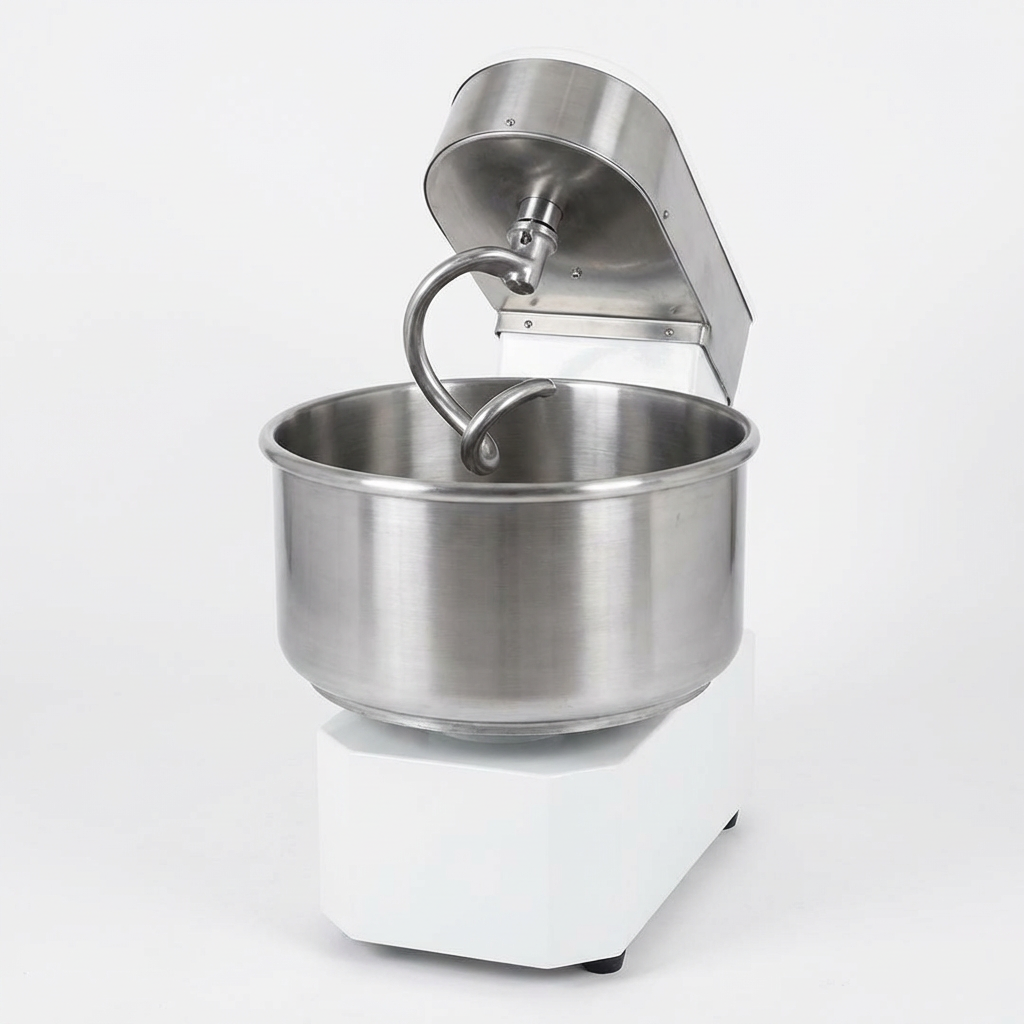
Home baking has gained popularity as people seek creative outlets and fresh homemade foods. While equipment from any Electric Dough Mixer Factorycomes with safety features, operators must understand proper usage to prevent injuries and equipment damage. Treating kitchen appliances with respect and following sensible precautions ensures enjoyable baking experiences without accidents or mishaps.
Read the instruction manual completely before first use. Manufacturers include specific guidance about capabilities, limitations, and safety procedures relevant to each model. Skipping this step means missing important information about proper assembly, operating speeds, and maintenance requirements. Manuals explain which attachments suit different tasks and warn against practices that could damage equipment or cause injury. Keep documentation accessible for reference when questions arise during use.
Secure the machine on a stable, level surface before operation. An Electric Dough Mixer generates significant force as attachments rotate through dense dough. Unstable placement allows equipment to walk across counters or tip over during use, creating serious hazards. Ensure countertops can support the combined weight of the machine, bowl, and ingredients. Suction feet or clamps provided with some models enhance stability and should always be engaged before starting the motor.
Keep hands, utensils, and loose items away from moving parts during operation. The temptation to scrape bowl sides or push ingredients toward attachments while the motor runs creates risk of serious injury. Fingers, spatulas, and clothing can become caught in rotating mechanisms, causing cuts, crushing injuries, or equipment damage. Always stop the machine completely before adjusting ingredients or scraping bowls. Develop the habit of turning off power and waiting for all movement to cease before reaching into the work area.
Avoid overloading beyond rated capacity. Each machine handles specific quantities and dough types safely. Exceeding these limits strains motors, gears, and structural components while increasing accident risk. Overfilled bowls allow ingredients to splash out during mixing, creating mess and potential slipping hazards. Dense doughs exceeding capacity can cause motors to overheat or attachments to break free. Follow capacity guidelines provided in documentation and observe how your specific recipes perform within recommended limits.
Never leave operating equipment unattended. Stepping away even briefly prevents you from noticing problems as they develop. Unusual sounds, smells, or vibrations signal issues requiring immediate attention. Unattended machines cannot be stopped quickly if ingredients overflow, foreign objects fall into bowls, or mechanical problems emerge. Stay present throughout the mixing process to monitor performance and respond to any concerns.
Ensure proper electrical connections before use. An Electric Dough Mixer draws substantial power that can overload circuits if other high-draw appliances share the same line. Plug equipment directly into wall outlets rather than using extension cords, which may not handle the current safely. Inspect power cords for damage before each use, as frayed insulation or exposed wires create shock and fire hazards. Never operate equipment with damaged electrical components.
Allow adequate cooling between batches when processing multiple recipes. Continuous operation generates heat in motors and gears that needs time to dissipate. Overheated components fail prematurely and may present burn risks when touched. Some models include thermal protection that shuts motors off automatically when temperatures rise too high. Respect these safety features and allow cooling time rather than attempting to override them.
Clean equipment only when unplugged and completely stopped. Residual power or accidental activation during cleaning can cause serious injuries. Remove attachments and bowls before washing, taking care with sharp edges on beaters and hooks. Dry all components thoroughly before reassembly to prevent electrical hazards and corrosion.
Supervise children and pets around operating equipment. Curiosity can lead to dangerous situations as youngsters reach toward moving parts or animals investigate unfamiliar sounds and smells. Establish clear boundaries about who operates the machine and when others should maintain distance.
Safe operation combines following manufacturer guidelines with common sense precautions. Treating equipment respectfully and maintaining awareness during use protects both operators and machinery. Additional specifications and safety features are available at https://www.cnhaiou.com/product/ for consideration.