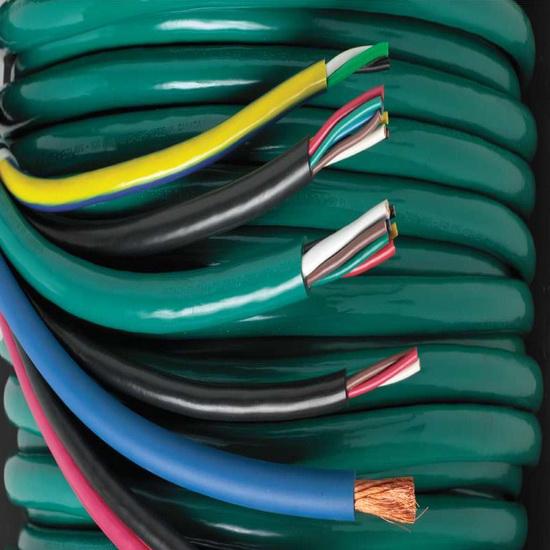
Infrastructure development is a cornerstone of economic growth and national progress. From power grids and transportation systems to communication networks and industrial zones, infrastructure forms the foundation upon which modern societies operate. As developing nations continue to expand urban centers, industrial sectors, and energy networks, the demand for reliable electrical systems has grown significantly. A stable and efficient electrical infrastructure is essential for supporting economic activities, improving quality of life, and enabling technological advancement.
In this context, electric cable manufacturers in Pakistan play a vital role in strengthening national infrastructure. Their contribution extends beyond simple product supply; they support energy distribution, industrial operations, construction projects, and renewable energy initiatives. The purpose of this article is to explore how local cable manufacturers contribute to infrastructure development, economic growth, and long-term sustainability while aligning with national and international standards.
Understanding National Infrastructure Development
What Is National Infrastructure?
National infrastructure refers to the fundamental physical and organizational structures required for a country’s functioning and development. It includes power systems, transportation networks, communication systems, industrial zones, housing developments, and public utilities. These interconnected components ensure smooth economic activity and social progress.
Electrical infrastructure, in particular, serves as the backbone that connects all sectors. Whether it is powering residential areas, fueling industrial machinery, or supporting digital communication systems, electricity distribution relies heavily on dependable cable networks.
Why Infrastructure Matters for Economic Growth
Infrastructure development directly impacts economic performance in several ways. It enhances industrial productivity by ensuring consistent power supply, supports urban expansion through reliable electrical systems, and strengthens energy security. Additionally, infrastructure projects generate employment opportunities and foster technological advancement. As cities expand and industries evolve, the demand for high-quality electrical systems continues to grow, making the role of electric cable manufacturers in Pakistan increasingly significant.
The Backbone of Development: Electrical Cable Systems
Importance of Reliable Power Transmission
Reliable power transmission is essential for ensuring that electricity flows efficiently from generation sources to end users. High-quality cable systems reduce power losses, prevent system failures, and enhance safety across residential, commercial, and industrial applications. Standardized manufacturing processes and strict quality control are critical to maintaining performance and durability in infrastructure projects.
When cable systems meet international safety and performance standards, they contribute to long-term operational stability and reduced maintenance costs for national projects.
Types of Cables Used in Infrastructure Projects
Low Voltage Cables
Low voltage cables are widely used in residential, commercial, and light industrial applications. They are essential for safe electricity distribution in homes, offices, and small-scale facilities. The demand for low voltage cables in Pakistan is increasing due to rapid urbanization, housing development, and the expansion of commercial infrastructure.
These cables are designed to ensure safety, flexibility, and consistent performance while complying with strict quality and reliability standards.
Medium Voltage Cables
Medium voltage cables play a critical role in large-scale infrastructure such as industrial plants, substations, and commercial complexes. They facilitate power transmission between substations and industrial zones, ensuring stable electricity flow in high-demand environments. Their durability and efficiency make them indispensable for heavy-duty infrastructure applications.
Solar Cables
With the global shift toward renewable energy, the use of solar power systems has increased significantly. This has led to a growing demand for dc solar cables in Pakistan, especially in solar farms and rooftop installations. These cables are designed to withstand harsh outdoor conditions, UV exposure, and temperature fluctuations while maintaining long-term performance and safety.
Role of Local Electric Cable Manufacturers in Pakistan
Supporting National Energy Projects
Local manufacturers actively contribute to national energy projects, including power plants, substations, and grid expansion initiatives. Their involvement ensures the availability of high-quality cables required for efficient energy transmission and distribution. Collaboration with engineering firms, contractors, and infrastructure developers enables smooth project execution and reliable supply chains.
By providing consistent product availability, local manufacturers help prevent delays in large-scale infrastructure projects and support uninterrupted development.
Promoting Import Substitution
One of the major contributions of electric cable manufacturers in Pakistan is reducing dependency on imported cable products. Local manufacturing strengthens domestic production capabilities and helps conserve foreign exchange reserves. Import substitution also enhances self-reliance and supports the growth of the national industrial sector.
Furthermore, locally produced cables can be customized according to regional infrastructure requirements, making them more suitable for domestic applications.
Enhancing Quality Through Certification and Compliance
Quality assurance is a critical factor in infrastructure development. Local cable manufacturers ensure that their products undergo rigorous testing and certification processes. Independent laboratories evaluate product performance and issue certificates of conformity in accordance with international standards.
Compliance with global manufacturing standards enhances credibility and ensures that cables used in national projects meet safety, durability, and performance benchmarks.
Technology and Innovation in Cable Manufacturing
Technological advancements have significantly transformed the cable manufacturing industry. Modern production techniques, automated machinery, and advanced material processing have improved product quality and consistency. Continuous improvement strategies enable manufacturers to stay aligned with evolving industry demands and technological trends.
Innovation also drives the development of specialized cables designed for modern infrastructure needs, including renewable energy systems, automation, and smart buildings. By adopting cutting-edge technologies, manufacturers enhance operational efficiency and product reliability.
Contribution to Key Industries
Construction and Housing Sector
The construction sector relies heavily on reliable wiring solutions for residential and commercial buildings. High-quality cable systems ensure electrical safety, energy efficiency, and long-term durability in housing projects. The availability of low voltage cables in Pakistan supports large-scale urban expansion and modern housing developments.
Safe and efficient wiring systems are essential for preventing electrical hazards and ensuring sustainable infrastructure growth.
Industrial and Manufacturing Sector
Industries require robust electrical systems to power machinery, production lines, and automated processes. Reliable cable solutions enhance operational efficiency and reduce downtime in manufacturing facilities. Both medium and low voltage cable systems are essential for supporting heavy-duty industrial environments where consistent power supply is crucial.
Renewable Energy Sector
The renewable energy sector is expanding rapidly, particularly in solar energy installations. Solar farms and rooftop systems depend on durable cable solutions that can withstand environmental challenges. The increasing demand for dc solar cables in Pakistan reflects the country’s growing focus on sustainable energy solutions.
These cables play a key role in transmitting energy generated from solar panels to storage systems and distribution networks.
IT and Data Centers
Data centers and IT infrastructure require stable and uninterrupted power systems. Specialized cable solutions ensure the protection of sensitive equipment and support high-performance digital operations. Reliable electrical systems are essential for maintaining data security and operational continuity.
Automation and Smart Infrastructure
Modern infrastructure increasingly integrates automation and intelligent systems. Cable manufacturers support this transition by producing advanced cable solutions compatible with automated and smart technologies. This integration enhances efficiency, safety, and scalability in industrial and urban infrastructure.
Economic Impact of the Cable Manufacturing Industry
Employment Generation
The cable manufacturing industry creates employment opportunities for skilled and semi-skilled workers, engineers, technicians, and support staff. It also promotes technical expertise development and knowledge transfer within the engineering sector.
Strengthening Local Supply Chains
Local manufacturing supports raw material sourcing, logistics, and allied industries such as packaging, testing, and distribution. This strengthens domestic supply chains and reduces reliance on external suppliers.
Boosting Industrial Growth
The growth of cable manufacturing encourages engineering advancements and supports small and medium enterprises involved in infrastructure development. It contributes to overall industrial expansion and national economic stability.
Quality, Safety, and Compliance in National Projects
Importance of Quality Policy
A strong quality policy ensures safe workplace practices, consistent product performance, and long-term customer satisfaction. Manufacturers committed to quality focus on producing reliable cables that meet infrastructure requirements and safety standards.
Testing and Certification
Independent laboratory testing plays a crucial role in maintaining product reliability. Certification ensures compliance with international safety and performance standards, making cable products suitable for critical infrastructure projects.
Maintaining Reputation in Competitive Markets
Reputation is built through consistent product quality, reliable service, and adherence to industry standards. Long-term relationships with contractors, developers, and public sector organizations strengthen trust and market credibility.
Sustainability and Environmental Responsibility
Energy-Efficient Cable Design
Energy-efficient cable designs help reduce transmission losses and improve overall energy conservation. This contributes to national energy efficiency and supports sustainable infrastructure development.
Supporting Green Energy Initiatives
The adoption of renewable energy systems has increased the need for environmentally compatible cable solutions. The demand for dc solar cables in Pakistan highlights the country’s commitment to expanding green energy infrastructure.
Waste Reduction and Continuous Improvement
Manufacturers focused on sustainability implement waste reduction strategies and continuous improvement practices. Consistency in production processes helps eliminate inefficiencies and enhance environmental responsibility.
Challenges Faced by Local Cable Manufacturers
Fluctuating Raw Material Prices
Variations in copper and polymer prices significantly impact production costs and pricing strategies. Managing these fluctuations while maintaining quality remains a key challenge for manufacturers.
Regulatory and Compliance Demands
Meeting international standards and regulatory requirements requires ongoing investment in testing, certification, and process improvements.
Competition in Domestic and Global Markets
Local manufacturers face competition from international brands and imported products. Continuous innovation, quality enhancement, and performance differentiation are essential for maintaining market competitiveness.
The Future of Electric Cable Manufacturers in Pakistan
Smart Cities and Infrastructure Expansion
The development of smart cities and modern infrastructure projects will increase the demand for advanced cable systems. Electric cable manufacturers in Pakistan will play a crucial role in supporting these initiatives through innovative and reliable solutions.
Growth of Renewable Energy
Government initiatives promoting solar adoption and sustainable energy solutions will further boost the demand for dc solar cables in Pakistan. Renewable energy infrastructure will remain a key growth area for the cable industry.
Advanced Manufacturing Technologies
Automation in production processes and increased investment in research and development will enhance manufacturing efficiency and product innovation. Advanced technologies will enable manufacturers to meet evolving infrastructure requirements.
Why Choosing Local Manufacturers Matters
Choosing local manufacturers ensures faster delivery, responsive customer support, and better understanding of regional infrastructure needs. Their expertise in producing reliable low voltage cables in Pakistan and other specialized cable solutions supports diverse applications across industries.
Additionally, supporting local manufacturing contributes to national economic strength, job creation, and industrial self-reliance.
Conclusion
Local cable manufacturers play an indispensable role in national infrastructure development. From supporting energy projects and industrial growth to enabling renewable energy adoption and urban expansion, their contributions impact every sector of the economy. Electric cable manufacturers in Pakistan are strengthening the country’s infrastructure through innovation, quality assurance, and adherence to international standards.
As infrastructure demands continue to grow, the importance of reliable cable systems will become even more critical. With a strong focus on certification, technological advancement, and sustainability, the cable manufacturing industry is well-positioned to support long-term national progress. The future of infrastructure development depends on consistent quality, innovation, and the continued growth of domestic manufacturing capabilities that drive safe, efficient, and sustainable electrical systems.
 English
 Arabic
 French
 Spanish
 Portuguese
 Deutsch
 Turkish
 Dutch
Dutch
 Italiano
 Russian
 Romaian
 Portuguese (Brazil)
 Greek
Greek