English
 Arabic
 French
 Spanish
 Portuguese
 Deutsch
 Turkish
 Dutch
Dutch
 Italiano
 Russian
 Romaian
 Portuguese (Brazil)
 Greek
Greek
What to Look for in a Trusted Embroidery Provider
Other |
2026-02-17 13:09:31
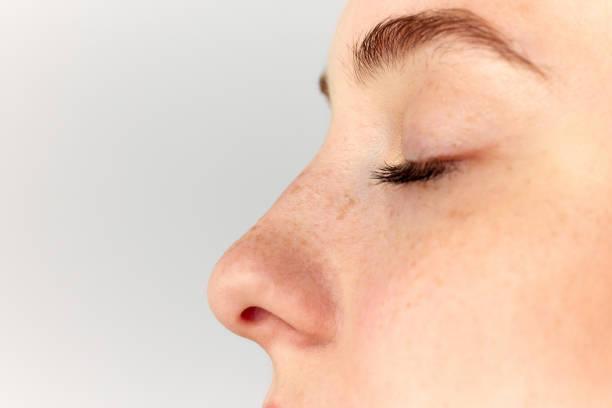
When it comes to enhancing facial harmony and improving nasal function, Rhinoplasty in Riyadh has become one of the most sought-after cosmetic and reconstructive procedures. The nose plays a central role in defining facial balance, and even subtle refinements can significantly improve overall appearance and confidence. Beyond aesthetics, rhinoplasty can also address breathing issues, structural deformities, and injuries, making it both a cosmetic and medical solution.
With growing awareness and advanced surgical techniques, patients are now exploring various Rhinoplasty Procedures in Riyadh(عمليات تجميل الانف في الرياض) tailored to their unique facial structure and personal goals. Understanding the different types of rhinoplasty and their applications is essential before making a decision. Each approach serves a distinct purpose, whether it’s refining the nasal tip, correcting a deviated septum, or restoring the nose after trauma.
Rhinoplasty is a surgical procedure designed to reshape or reconstruct the nose. It can modify the size, width, profile, nostrils, or nasal tip while maintaining natural proportions. Some individuals seek rhinoplasty purely for cosmetic enhancement, while others require functional correction to improve breathing difficulties.
The versatility of rhinoplasty allows surgeons to customize treatment plans based on facial anatomy, skin thickness, cartilage structure, and patient expectations. This personalized approach ensures balanced, long-lasting results that complement the rest of the facial features.
Open rhinoplasty involves a small incision made across the columella, the strip of tissue between the nostrils. This technique provides full visibility of the nasal framework, allowing precise reshaping of cartilage and bone.
Open rhinoplasty is commonly recommended for individuals requiring significant structural changes. It is ideal for correcting severe asymmetry, prominent humps, complex deformities, or major tip modifications. Because the surgeon has direct access to the nasal structures, it offers enhanced control and accuracy, especially in complicated cases.
Patients who require major reconstruction, revision surgery, or dramatic reshaping often benefit from this method. It is particularly useful when intricate adjustments are needed to achieve symmetry and long-term stability.
Closed rhinoplasty, also known as endonasal rhinoplasty, involves incisions placed entirely inside the nostrils. Since there are no external cuts, visible scarring is avoided.
This technique is generally suitable for patients seeking minor to moderate adjustments, such as smoothing a dorsal hump, refining the nasal bridge, or making subtle tip corrections. The procedure often results in reduced swelling and a slightly faster recovery period compared to open rhinoplasty.
Closed rhinoplasty works best when the internal nasal structure does not require extensive reconstruction. It is an excellent option for individuals desiring natural-looking improvements without major structural modifications.
Revision rhinoplasty is performed to correct or improve the results of a previous nasal surgery. In some cases, patients may experience functional issues, asymmetry, or dissatisfaction with cosmetic outcomes after their initial procedure.
This type of rhinoplasty is often more complex due to scar tissue and altered anatomy. It requires careful planning and advanced surgical expertise to restore both appearance and functionality.
Revision rhinoplasty may be considered if breathing difficulties persist, structural collapse occurs, or aesthetic goals were not fully achieved during the first surgery. A thorough consultation helps determine the most suitable corrective approach.
Not all rhinoplasty procedures are purely cosmetic. Functional rhinoplasty focuses on improving airflow and correcting structural issues such as a deviated septum, nasal valve collapse, or congenital abnormalities.
Patients experiencing chronic nasal congestion, difficulty breathing, or snoring may benefit from this approach. By correcting internal obstructions, functional rhinoplasty enhances quality of life while maintaining natural aesthetics.
In many cases, patients choose to combine cosmetic refinement with functional correction. This comprehensive approach addresses both appearance and breathing concerns in a single procedure.
Non-surgical rhinoplasty uses dermal fillers to temporarily reshape the nose without incisions or downtime. It can smooth minor irregularities, enhance the nasal bridge, or create the illusion of symmetry.
While this option offers immediate results, it is not permanent and cannot reduce nasal size or correct functional issues. It is best suited for individuals seeking temporary aesthetic adjustments.
Selecting the appropriate rhinoplasty technique depends on individual goals, nasal structure, and medical history. A detailed assessment ensures that the chosen approach aligns with both aesthetic expectations and functional needs.
Modern advancements in surgical methods and technology have made rhinoplasty safer and more precise than ever before. Patients can achieve natural-looking results that harmonize with their facial features while maintaining structural integrity.
Recovery timelines vary depending on the type of rhinoplasty performed. Swelling and mild discomfort are common during the initial healing phase, but improvements become more visible as swelling subsides over time.
Final results may take several months to fully appear, especially in cases involving significant structural changes. Following post-procedure guidelines carefully contributes to optimal healing and long-lasting outcomes.
How long does rhinoplasty recovery take?
Initial recovery usually takes a few weeks, but final results can take several months as swelling gradually subsides.
Is rhinoplasty painful?
Most patients experience mild to moderate discomfort rather than severe pain, which can be managed effectively during recovery.
Can rhinoplasty improve breathing problems?
Yes, functional rhinoplasty can correct structural issues that obstruct airflow and significantly improve breathing.
Are the results of rhinoplasty permanent?
Surgical rhinoplasty provides long-lasting results, although natural aging may subtly affect facial features over time.
Who is an ideal candidate for rhinoplasty?
Healthy individuals with realistic expectations and specific aesthetic or functional concerns are generally considered good candidates.
If you are considering enhancing your facial harmony or improving nasal function, a personalized consultation can help you understand the most suitable approach. At Enfield Royal Clinic(عيادة إنفيلد الملكية), patients receive comprehensive assessments and customized treatment plans designed to achieve balanced, natural-looking results that complement their unique facial features.