English
 Arabic
 French
 Spanish
 Portuguese
 Deutsch
 Turkish
 Dutch
Dutch
 Italiano
 Russian
 Romaian
 Portuguese (Brazil)
 Greek
Greek
How Can JINYI Shower Tray Leg Frame Improve Long Term Bathroom Stability
Shopping |
2026-01-27 03:43:44
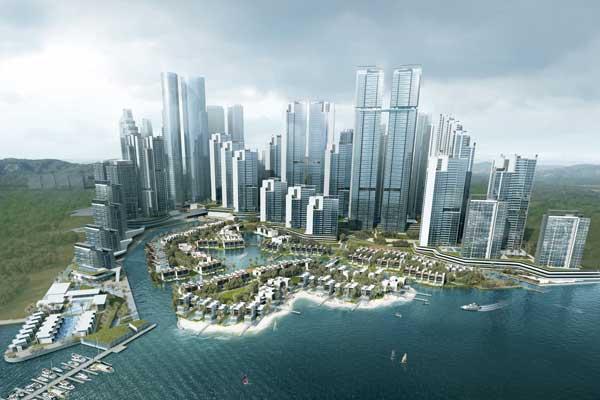
In recent years, the global real estate market has witnessed a noticeable shift toward integrated lifestyle communities. Modern buyers are no longer searching only for a house; they are looking for environments that combine comfort, connectivity, lifestyle amenities, and long-term value. Developers across major cities are responding to this demand by creating residential projects that blend architectural innovation, transportation accessibility, and sustainable planning.
Coastal developments, in particular, have gained strong popularity due to their unique combination of scenic beauty and urban convenience. Projects such as Vela Bay highlight how waterfront real estate can offer both lifestyle advantages and investment opportunities. These developments demonstrate the future direction of urban housing where modern infrastructure and residential spaces are carefully planned together.
Waterfront living has always been associated with exclusivity and luxury. Limited land availability near coastlines makes these locations highly desirable and often more valuable over time. Cities with access to coastal areas frequently develop residential communities that take advantage of sea views, open landscapes, and recreational opportunities.
The appeal of coastal housing goes beyond aesthetics. Residents enjoy a calmer atmosphere, access to outdoor activities, and improved environmental quality compared to densely built urban centers. Many modern waterfront developments are also designed to incorporate green spaces, walking paths, and cycling routes that promote healthier lifestyles.
In many metropolitan areas, developers are transforming previously underutilized coastal land into vibrant residential districts. These projects include not only housing but also parks, shopping centers, educational facilities, and public transportation systems.
Urban planning has evolved significantly in the past two decades. Instead of isolated residential towers, planners now focus on building complete communities where residents can access daily needs within a short distance. This concept is often referred to as integrated or mixed-use development.
Integrated communities typically include residential buildings, retail outlets, offices, recreational facilities, and public services within the same district. The goal is to reduce travel time, improve quality of life, and encourage sustainable transportation methods.
Developments like Vela Bay reflect this planning philosophy by being located within districts that combine residential living with nearby amenities. Residents benefit from easy access to parks, shopping areas, and public transportation without the need for long daily commutes.
This type of planning is particularly valuable in densely populated cities where efficient land use is essential for sustainable growth.
Transportation infrastructure plays a crucial role in determining the success of residential developments. Areas with strong connectivity to business districts, airports, and entertainment hubs typically attract higher demand from both homeowners and investors.
Access to rapid transit systems, major highways, and well-developed road networks significantly increases the convenience of daily travel. For working professionals, the ability to reach central business areas quickly is often a major factor when choosing where to live.
Residential projects located near metro stations or major expressways benefit from this convenience. Public transport options reduce dependence on private vehicles, while road connectivity ensures that drivers can easily reach other parts of the city.
For automobile enthusiasts and urban mobility analysts, the relationship between transportation systems and property markets is especially interesting. As cities invest in new transit lines and road networks, surrounding real estate values often rise because accessibility improves.
Another defining feature of modern residential developments is the inclusion of lifestyle amenities. Today’s homebuyers expect more than basic facilities; they seek environments that support relaxation, recreation, and social interaction.
Many large residential projects now include swimming pools, fitness centers, landscaped gardens, co-working spaces, and entertainment lounges. These amenities create a sense of community while offering residents convenient leisure options within their living environment.
Community spaces such as outdoor gardens, children’s play areas, and event halls also encourage social interaction among residents. These shared facilities help build a stronger neighborhood culture and improve overall satisfaction among homeowners.
Developers understand that lifestyle amenities play a major role in differentiating projects within competitive real estate markets. A well-designed residential complex with attractive facilities often becomes more appealing to buyers and tenants.
Technology is rapidly transforming the real estate sector. Smart home features and digital infrastructure are becoming standard components of modern housing developments.
Smart home systems allow residents to control lighting, air conditioning, security cameras, and other household functions through smartphones or voice assistants. These technologies improve convenience while also helping reduce energy consumption.
In addition to individual home technology, many residential developments now incorporate smart building systems that manage energy usage, water consumption, and security monitoring across the entire property.
Advanced security systems, including digital access controls and surveillance networks, also contribute to safer residential environments. These technological improvements increase the overall value of modern housing projects.
Sustainability has become one of the most important considerations in urban development. Governments and developers are increasingly focusing on eco-friendly construction practices and energy-efficient building designs.
Sustainable residential developments often include features such as solar panels, rainwater harvesting systems, natural ventilation, and energy-efficient lighting. Landscaping with native plants and preserving natural ecosystems are also part of environmentally responsible planning.
Green spaces play a particularly important role in coastal developments. Parks, tree-lined pathways, and waterfront promenades provide residents with relaxing outdoor environments while supporting local biodiversity.
By integrating sustainable design principles, developers aim to reduce environmental impact while creating healthier living spaces for residents.
For investors, new residential developments in emerging districts often present attractive opportunities. When a neighborhood undergoes major infrastructure upgrades or urban redevelopment, property values in the area may increase over time.
Early investment in such developments can provide long-term financial benefits, particularly if the surrounding district continues to grow. Investors often analyze several factors before purchasing property, including location, transportation access, population growth, and government planning initiatives.
Waterfront developments frequently attract international investors because they combine lifestyle appeal with limited supply. Properties with scenic views and strong infrastructure connectivity tend to maintain stable demand even during market fluctuations.
However, investors must also consider broader economic conditions, interest rates, and housing supply trends before making purchasing decisions.
As cities expand and populations increase, coastal districts will likely play an important role in future urban planning. Governments and developers are focusing on creating sustainable waterfront communities that offer both economic value and environmental balance.
Future residential developments may incorporate even more advanced technologies, including smart city infrastructure, autonomous transportation systems, and renewable energy networks.
Urban planners are also exploring ways to protect coastal areas from environmental challenges such as rising sea levels and climate change. Sustainable engineering and resilient design will be essential for the long-term success of waterfront housing projects.
Modern real estate developments are evolving to meet the changing expectations of homebuyers and investors. Projects such as Vela Bay demonstrate how thoughtful planning can combine transportation connectivity, lifestyle amenities, and environmental sustainability to create desirable residential communities.
The relationship between transportation systems, urban planning, and residential housing will continue to shape real estate markets in the coming decades. Developments located in well-connected and carefully planned districts are likely to remain highly attractive to both homeowners and property investors.
How Do You Choose the Right Condo in the East Coast Singapore
How much down payment is required for a condo in Singapore
What are the hidden costs of buying a condo in Singapore
Best Areas to Buy Residential Property in Singapore
Singapore Residential Property Price Trend 2026
Is Singapore Property Market Cooling Down
Future of Residential Property Market in Singapore
Which District Has Highest Property Price in Singapore