Hearing plays a crucial role in communication, language development, and overall quality of life. Early detection of hearing problems is especially important for infants and young children because untreated hearing loss can affect speech, learning, and social development. Modern diagnostic technologies now allow specialists to detect hearing issues even in newborns. Among the most reliable methods are the auditory brainstem response test and the auditory steady state response test.
These advanced tests provide accurate and objective measurements of hearing ability. In Pakistan, more parents and healthcare providers are recognizing the importance of these tests for early hearing screening and diagnosis.
This article explains how the abr test and assr test work, why they are important, and when they are recommended.
Understanding the Auditory Brainstem Response Test
The auditory brainstem response test is a non-invasive hearing test used to evaluate how well the auditory nerve and brainstem respond to sound. It measures the electrical activity generated by the hearing pathway when sound stimuli are presented to the ears.
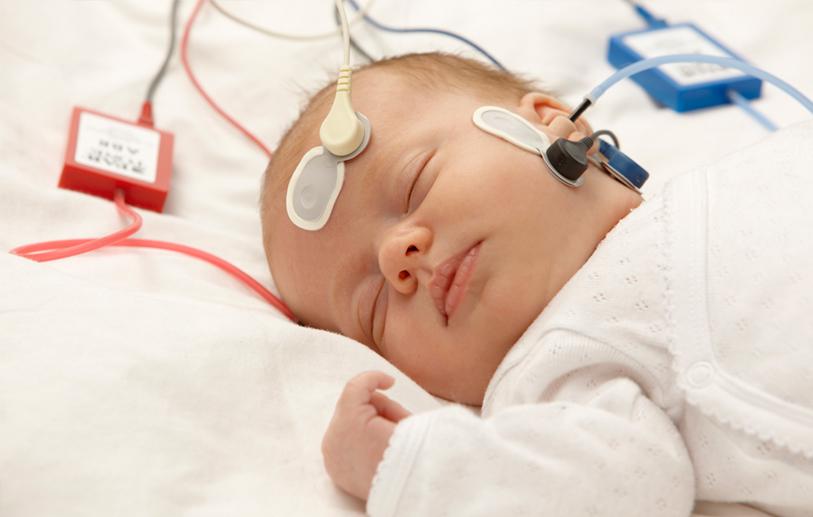
During the test, small electrodes are placed on the patient’s scalp and ears. These electrodes detect the brain’s response to clicking sounds or tones delivered through earphones. The recorded signals help specialists determine whether sound signals are properly transmitted from the ear to the brain.
One of the biggest advantages of the abr test is that it does not require the patient to actively respond. This makes it especially useful for newborn babies, infants, and individuals who cannot cooperate with conventional hearing tests.
The results of this test help doctors identify hearing thresholds and detect possible nerve pathway problems.
Why the ABR Test Is Important for Infants
Hearing screening during early childhood is essential because babies cannot communicate hearing difficulties. Without proper testing, hearing loss may go unnoticed for months or even years.
The abr test helps specialists detect hearing loss at a very early stage. Early diagnosis allows parents and healthcare providers to take appropriate steps such as hearing aids, therapy, or medical treatment.
Key benefits of early hearing testing include:
-
Early identification of hearing problems
-
Better speech and language development
-
Improved learning abilities
-
Faster intervention and treatment
Because the auditory brainstem response test measures neurological responses rather than behavioral responses, it provides reliable results even when infants are asleep.
What Is the Auditory Steady State Response Test
The auditory steady state response test is another advanced diagnostic tool used to measure hearing ability. While it works on a similar principle as the abr test, it uses continuous tones instead of short clicks.
These steady tones allow audiologists to measure hearing thresholds at different frequencies more precisely. This makes the assr test particularly useful for identifying the degree and configuration of hearing loss.
The auditory steady state response test is commonly used for:
-
Diagnosing severe or profound hearing loss
-
Determining hearing thresholds across multiple frequencies
-
Evaluating candidates for hearing aids or cochlear implants
Because it can measure hearing levels more specifically, this test is often performed alongside the abr test for a comprehensive hearing assessment.
Differences Between ABR Test and ASSR Test
Although both tests evaluate hearing through brain responses, there are important differences between them.
The abr test primarily measures the brainstem’s response to sound and helps determine whether the hearing nerve is functioning properly. It is often used to detect neurological issues and estimate hearing thresholds.
On the other hand, the assr test focuses on measuring hearing sensitivity at different sound frequencies. It can determine the severity of hearing loss more precisely.
Key differences include:
-
The abr test uses clicking sounds while the assr test uses continuous tones
-
The auditory brainstem response test evaluates neural pathways to the brainstem
-
The auditory steady state response test measures detailed frequency-specific hearing thresholds
-
The assr test is more useful for fitting hearing devices accurately
Because both tests provide different types of information, audiologists often use them together for a complete hearing evaluation.
Who Should Get These Hearing Tests
The auditory brainstem response test and auditory steady state response test are recommended for individuals who cannot participate in traditional hearing tests or when more detailed analysis is required.
These tests are commonly recommended for:
-
Newborn babies and infants
-
Children with delayed speech development
-
Individuals suspected of hearing loss
-
Patients with neurological conditions affecting hearing
-
Adults unable to perform behavioral hearing tests
Doctors may also recommend these tests when other hearing screenings show abnormal results.
How the Tests Are Performed
Both tests are safe, painless, and non-invasive procedures. The process typically takes between 30 minutes and one hour depending on the patient's condition and cooperation.
The general steps include:
-
Small electrodes are placed on the head and near the ears.
-
Earphones deliver controlled sound stimuli.
-
The electrodes record the brain’s electrical response to sound.
-
A computer analyzes the responses and generates detailed reports.
For infants, the test is usually performed while the baby is naturally asleep to ensure accurate readings.
Patients do not feel any discomfort during the procedure, making it suitable even for very young children.
Advantages of Modern Hearing Diagnostic Tests
Advancements in hearing diagnostics have significantly improved the accuracy of hearing assessments. Tests such as the abr test and assr test allow specialists to evaluate hearing ability without requiring patient feedback.
Some key advantages include:
-
Highly accurate hearing threshold detection
-
Suitable for newborns and infants
-
Early diagnosis of hearing disorders
-
Objective results not influenced by patient behavior
-
Detailed evaluation of the auditory nerve and brainstem pathways
These benefits make modern hearing diagnostics essential for early intervention and long-term hearing health.
Availability of ABR and ASSR Tests in Pakistan
In recent years, hearing diagnostic services in Pakistan have improved significantly. Many specialized hearing clinics and hospitals now offer the auditory brainstem response test and auditory steady state response test.
Parents are increasingly encouraged to screen newborns for hearing loss within the first few months of life. Early screening programs are helping identify hearing issues sooner, allowing children to receive timely treatment and support.
With access to modern equipment and trained audiologists, these tests are becoming more widely available across major cities in Pakistan.
Preparing for a Hearing Test
Preparation for these tests is simple, but certain steps can help ensure accurate results.
For infants, it is recommended that the baby be well-fed and sleepy before the test so they remain calm during the procedure.
Adults and older children should avoid excessive movement and stay relaxed throughout the test. In some cases, mild sedation may be used for young children who cannot stay still.
Your audiologist will provide specific instructions before the test to ensure optimal conditions for accurate results.
Conclusion
Early detection of hearing problems plays a vital role in improving communication, learning, and overall quality of life. Advanced diagnostic tools such as the auditory brainstem response test and auditory steady state response test allow healthcare professionals to identify hearing loss quickly and accurately.
The abr test helps evaluate the function of the auditory nerve and brainstem, while the assr test provides detailed information about hearing sensitivity across different sound frequencies. Together, these tests offer a comprehensive approach to hearing assessment, particularly for infants and individuals who cannot undergo traditional hearing evaluations.
With growing awareness and improved access to hearing diagnostics in Pakistan, more families can benefit from early screening and timely treatment. Choosing the right hearing evaluation at the right time can make a significant difference in speech development, learning ability, and long-term hearing health.
More
 English
 Arabic
 French
 Spanish
 Portuguese
 Deutsch
 Turkish
 Dutch
Dutch
 Italiano
 Russian
 Romaian
 Portuguese (Brazil)
 Greek
Greek