English
 Arabic
 French
 Spanish
 Portuguese
 Deutsch
 Turkish
 Dutch
Dutch
 Italiano
 Russian
 Romaian
 Portuguese (Brazil)
 Greek
Greek
Gallery Dept Clothing Official Store || Summer Collection
Shopping |
2026-03-06 11:25:00
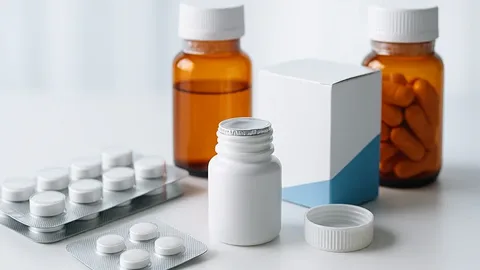
Drugs are significant in defending health. Individuals have the confidence in the medicines that they purchase in pharmacies, hospitals, or stores since they are safe to use. Nevertheless, this has not always been so and instances have occurred whereby products have been tampered with even before reaching consumers. This is known as tampering. In case of tampering with medicine, it can be hazardous and might lead to severe damages. Due to this threat, pharmaceutical firms and health authorities put formidable efforts to keep off drug abuse and offer protection to patients.
Medicine tampering occurs when an individual willfully modifies or otherwise alters a drug product following its production. This might involve cracking open a bottle, tampering with the contents, putting in poisonous substances or even substituting old medicine with a different one. The smallest of alterations can render the medicine unsafe and ineffective.
The tampering can be done during transportation or storage or even in the retail places. In other instances it is carried out in criminal motives like fraud, theft or sabotage. Irrespective of the motive, tampering exposes consumers to risk and destroys the confidence in the healthcare systems.
It is necessary to avoid tampering due to a number of reasons. First, it safeguards the health of patients. Most individuals rely on drugs to heal diseases, alleviate chronic diseases, or heal medical surgeries. In case a medicine is damaged, then the patient might not get the appropriate treatment.
Second, tampering prevention assists in preserving trust. Patients have to be sure that the drug they purchase is safe and authentic. Without trust, individuals might have an unwillingness to use valuable drugs.
Third, strict laws exist to promote safety of products by governments and health organizations. Pharmaceutical companies should abide by such regulations in order to ensure the safety of the consumers and quality assurance.
Despite the strict measures that have been put in place, it is still possible to tamper with the security measures provided that the security measures are flimsy. Some common methods include:
Unpackaging and repackaging.
Substituting original pills or capsules with counterfeits.
Introduction of pollutants or alien elements.
Selling illegally and removing medicine.
Due to such risks, special packaging design and safety seals are applied in companies to ensure that the interference is detected as fast as possible.
Tamper-evident packaging is just one of the best methods to secure the medications. This form of packaging ensures that it is easy to know whether a product has been opened or tampered with before buying.
To illustrate, plastic shrink bands are used to cover the cap of most of the medicine bottles. When the band is broken or missing, then one can conclude that the bottle has already been opened by someone. Tablets have been taken off or not, it is quite evident in the blister packs also.
Tamper-evident features can also assist the consumers to check at a glance whether a product is safe before it can be used. They also do not encourage people to respond to the attempt to interfere with the medicine.
Technology of packaging has also been enhanced. Manufacturers nowadays employ a number of various systems of packaging aimed at preventing the interference of medications. This design is a deterrent and a pointer whether one attempts to use the product or not.
The next paragraph will explain four kinds of packaging that will help to avoid tampering with medicine.
There are four typical formats, such as shrink seals, blister packs, breakable caps, and sealed pouches. Shrink seals are plastic wrappings fitted around bottle tops which one needs to tear or break in order to access the container. Each tablet or capsule in a blister pack is inside a separate sealed pocket and it is easy to note whether a dose has been taken or not. Breakable caps have such a design that the ring is not attached to the lid the first time they are opened and the evidence is visible. Sealed pouches involve the use of heat sealing in order to close the package and any effort to open the package leaves clear evidence of damage or tear. The packaging practices can be used to make sure that consumers can easily determine whether the medicine has been disturbed or not.
Describe four types of packaging that prevent tampering with medicine.: blister packs keep each dose sealed individually to show if it’s been opened, shrink bands wrap around bottle caps to indicate if the container has been disturbed, safety caps require special actions like pressing and turning to open, and foil seals cover the opening of bottles or jars, providing a clear visual barrier against unauthorized access.
Governmental bodies contribute significantly to the safety of medicine. The FDA in the United States makes many over-the-counter drugs available in tamper-evident packaging. These rules came about following a number of accidents that occurred in the past whereby products were deliberately modified.
Manufacturers should also label the packages very well and provide instructions to the consumers to verify the safety seal before taking the medicine. The product must not be used in case a seal is broken or missing.
These regulations are used to ensure that the companies always have similar safety standards and promote openness.
Manufacturers and regulators are trying their best to make products safer but consumers also play a significant part in safety of their own. There are a few basic procedures that can be used to minimize the chances of consuming a spoiled medicine.
To begin with, it is always advisable to examine the packaging of a product before buying or using it. Check missing seals, broken boxes, and strange markings. When something seems suspicious, then do not purchase or take the medication.
Second, buy drugs in reputable pharmacies or certified vendors. Do not purchase unverified drugs or those sold by unknown online sites.
Third, keep drugs securely at home. Store them in safe places and inaccessible to individuals who may abuse them and distort them.
Lastly, disclose any suspicious products to health authorities or pharmacists at once.
The protection of medicines has been enhanced by technology. Various organizations are coming up with sophisticated technology like smart labels, QR codes, and electronic tracking devices. These tools enable the consumers and pharmacies to check the authenticity of a product immediately.
A few of the packaging have been marked with a serial coding that can be tracked as the products leave the factory till the pharmacy. This assists in the determination of the point of tampering or counterfeiting in case of suspicion.
The pharmaceutical industry will get even more effective tools to defend consumers and preserve the integrity of the products as innovation progresses.
The concern of medicine safety is an issue that is common among manufacturers, regulators, and the consumers. Pharmaceutical products should not be tampered with as it can lead to serious health hazards and lack of confidence by the people. That is why, it is necessary to have strict rules, safe supply chains, and protective systems of packaging.
The contemporary packaging technologies simplify the process of interference detection and the deterrence of harmful patterns. The alertness and looking at safety seals can also help consumers to make sure that they use safe and effective medicines. The ongoing efforts by the healthcare sector to avoid drug abuse will continue to be crucial in safeguarding the patients and instilling confidence in the medical therapy.