English
 Arabic
 French
 Spanish
 Portuguese
 Deutsch
 Turkish
 Dutch
Dutch
 Italiano
 Russian
 Romaian
 Portuguese (Brazil)
 Greek
Greek
How Professional Painters Elevate Your Home’s Value
Home |
2026-02-25 21:03:37
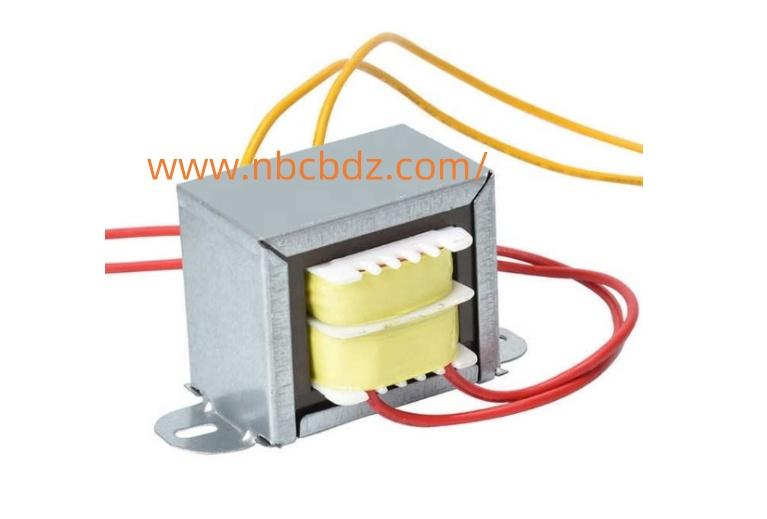
In the global electronics supply chain, component manufacturing often determines how efficiently devices are designed and produced. The cooperation between an Chuangbiao EI Transformer Factory and the brand Nbcbdz illustrates how structured manufacturing processes can support industries that rely on stable power components. From industrial controllers to household electronics, transformers built with EI core structures remain widely used because of their adaptability and familiar engineering standards. Manufacturers and equipment designers often seek partners capable of maintaining consistent production methods while responding to evolving application requirements.
Transformers built with EI laminations continue to play an important role in power conversion and voltage regulation. Their structure allows magnetic flux to move efficiently through stacked metal sheets, helping reduce losses while maintaining predictable performance. Because this design has been used for decades, engineers are comfortable integrating it into many types of equipment. As a result, factories that specialize in this category often become long-term suppliers for electronics companies, equipment assemblers, and product development teams.
Manufacturing these components requires more than assembling metal cores and copper windings. Careful material preparation, winding techniques, insulation placement, and quality checks all contribute to the reliability of the finished product. Each stage of production must align with the intended application environment, whether the transformer will operate in consumer electronics, communication equipment, or industrial control systems. When production workflows are clearly organized, manufacturers can maintain stable output while supporting varied design specifications.
Another important factor is adaptability to different device categories. Power supply modules, audio equipment, small appliances, and automation devices each require transformers with slightly different characteristics. Variations in winding structure, voltage configuration, and insulation materials can influence how the component performs within a circuit. A manufacturing environment that allows flexible adjustments makes it easier for engineers to request custom configurations without disrupting the broader production process.
Supply continuity also matters in modern electronics manufacturing. Device producers often coordinate schedules across multiple suppliers, and delays in a single component may affect an entire product line. Factories that maintain stable material sourcing, organized inventory, and predictable delivery planning can help reduce these risks. In this way, the transformer manufacturing sector quietly supports a wide range of technology products used every day.
Sustainability and process awareness are becoming increasingly relevant as well. Many manufacturers are reviewing how raw materials are handled, how production waste is managed, and how equipment efficiency can be improved. Even incremental changes in material usage or energy consumption can influence the overall environmental footprint of component production. These considerations are gradually shaping how modern transformer facilities organize their workflows and long-term planning.
Behind every electronic device lies a network of specialized component producers working in coordination. Understanding how transformer manufacturing functions provides useful insight into the infrastructure that supports electronics development around the world. For readers curious about the processes, applications, and manufacturing perspective behind these components, an informative starting point quietly awaits at https://www.nbcbdz.com/product/ , where further details open the door to a deeper look inside this technical field.