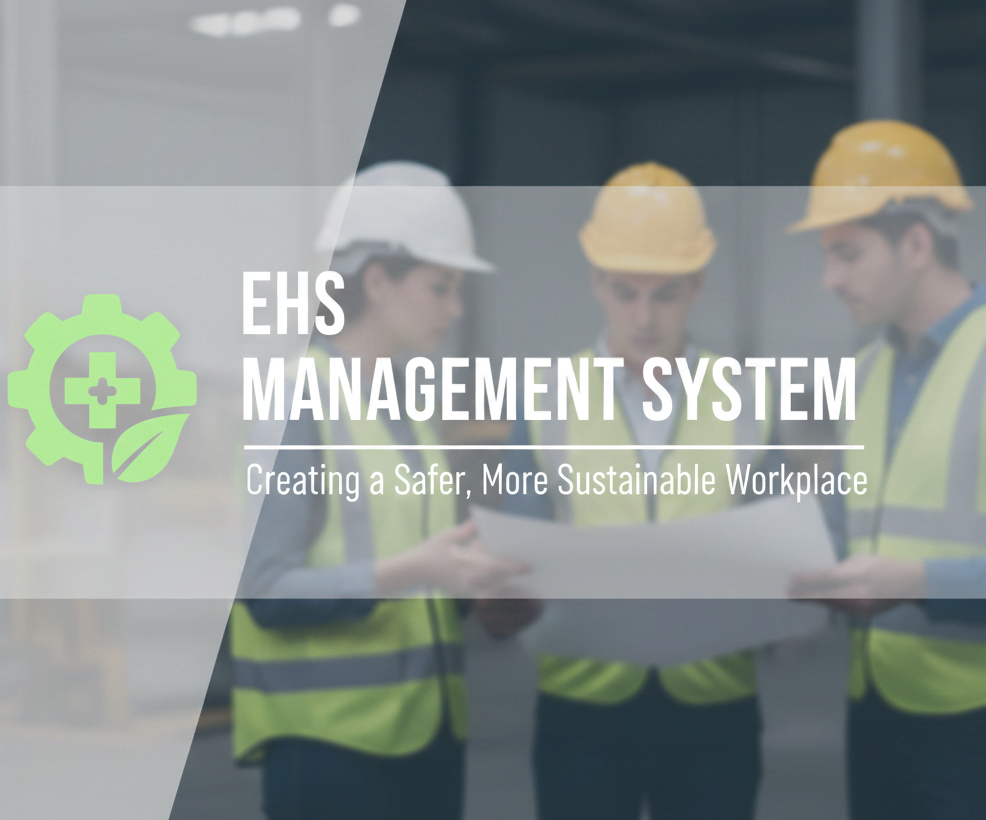
How A Safety Management System Helps Reduce Workplace Risks
Workplace safety is a major responsibility for organizations across industries. Manufacturing plants, construction sites, offices, and logistics centers all face potential hazards that can affect employee health and business operations. A safety management system helps organizations control these risks through structured policies, clear procedures, and consistent monitoring of workplace conditions.
Companies that implement a safety management system create a framework where hazards are identified early, safety practices are documented, and employees understand their role in maintaining a safe work environment. This organized approach supports safer operations and helps businesses manage workplace risks more effectively.
Role of a Safety Management System in Risk Control
Workplace risks often develop from unsafe conditions, lack of training, or poor communication. A safety management system provides a structured way to control these risks before they result in accidents.
Hazard Identification in Daily Operations
Every workplace contains potential hazards related to equipment, materials, and work processes. A safety management system allows organizations to document and monitor these hazards regularly.
Employees and supervisors can report issues such as faulty machinery, unsafe work areas, or poor lighting conditions. Early identification of these problems allows companies to address them before they become serious safety concerns.
Risk Assessment and Evaluation
Once hazards are identified, they must be evaluated to determine the level of risk involved. A safety management system helps organizations assess factors such as severity, likelihood, and exposure to determine which risks require immediate action.
Risk assessments guide safety teams in prioritizing preventive measures and allocating resources where they are most needed.
Creating Clear Safety Policies and Procedures
One of the key functions of a safety management system is establishing clear workplace safety policies.
Standard Operating Procedures
Organizations develop documented procedures that guide employees on how to perform tasks safely. These procedures cover areas such as equipment operation, emergency response, and handling hazardous materials.
When employees follow standardized processes, the chances of unsafe actions are significantly reduced.
Safety Guidelines for Employees
Clear safety guidelines help workers understand how to protect themselves and their colleagues. These guidelines may include instructions related to protective equipment, machine handling, and workplace conduct.
Providing easy access to these guidelines ensures employees remain aware of proper safety practices.
Incident Reporting and Investigation
Effective risk reduction requires proper documentation and investigation of workplace incidents.
Reporting Unsafe Situations
A safety management system enables employees to report incidents such as injuries, equipment failures, or near miss events. Early reporting helps organizations address risks before they escalate into larger safety problems.
Encouraging open reporting also creates transparency and trust within the workplace.
Root Cause Analysis
When an incident occurs, organizations must determine the underlying causes. A safety management system helps safety teams document the event, analyze contributing factors, and implement corrective actions.
Understanding why an incident occurred helps prevent similar situations in the future.
Employee Training and Awareness
Training plays a vital role in reducing workplace risks. Employees must understand safety procedures and know how to respond to potential hazards.
Regular Safety Training Programs
Organizations use safety management systems to track training schedules and certifications. Employees receive instruction on topics such as hazard identification, equipment operation, and emergency procedures.
Regular training sessions ensure that workers remain prepared to handle safety challenges in their daily tasks.
Building Safety Awareness
Safety awareness encourages employees to remain alert and responsible for workplace conditions. When workers understand the importance of safety rules, they are more likely to follow procedures and report potential risks.
This shared responsibility strengthens the overall safety culture of the organization.
Monitoring Workplace Conditions
Continuous monitoring helps organizations maintain safe working environments.
Safety Inspections
Routine inspections help identify hazards related to equipment, infrastructure, or work processes. A safety management system helps record inspection results and track required corrective actions.
Scheduled inspections ensure safety issues are addressed promptly.
Tracking Safety Performance
Organizations collect data related to incidents, inspections, and training activities. This information provides valuable insights into safety performance.
Safety teams can analyze trends, identify recurring problems, and implement targeted improvements based on the data.
Supporting Regulatory Compliance
Many industries must follow strict health and safety regulations. Failure to comply can result in penalties and operational disruptions.
A safety management system helps organizations maintain records of safety activities, inspections, and employee training. These records demonstrate compliance with regulatory requirements and simplify the audit process.
Maintaining proper documentation also helps companies respond quickly during inspections by regulatory authorities.
Benefits for Different Work Environments
Workplace risks vary across industries, but the principles of safety management remain consistent.
Industrial and Manufacturing Sites
Factories and manufacturing plants use safety management systems to monitor machinery safety, chemical handling, and operational hazards.
Construction Projects
Construction companies rely on safety systems to manage risks related to heavy equipment, height work, and site safety inspections.
Office and Corporate Environments
Even office settings benefit from structured safety practices that address ergonomics, fire safety, and emergency preparedness.
Implementing consistent safety measures helps reduce risks in every type of workplace.
Role of Leadership in Safety Management
Management commitment plays a significant role in reducing workplace risks.
Leaders who support safety initiatives ensure that policies are followed and resources are available for safety improvements. They also encourage employees to participate in reporting hazards and improving workplace safety practices.
When management demonstrates a strong commitment to safety, employees are more likely to follow established procedures.
Long Term Impact on Organizational Safety
Organizations that adopt a safety management system often experience long term improvements in workplace conditions.
-
Reduced accident rates
-
Better compliance with safety regulations
-
Improved employee confidence in workplace safety
-
More organized documentation and reporting
Over time, these improvements contribute to a safer and more productive work environment.
Final Thoughts
A safety management system plays a vital role in reducing workplace risks by helping organizations identify hazards, implement safety procedures, and monitor safety performance. Through structured reporting, employee training, and consistent inspections, companies can manage workplace hazards before they lead to accidents.
Organizations that prioritize safety management not only protect their employees but also strengthen operational stability and long term business sustainability. A well implemented safety management system supports a safer workplace where employees can perform their tasks with confidence and awareness.
 English
 Arabic
 French
 Spanish
 Portuguese
 Deutsch
 Turkish
 Dutch
Dutch
 Italiano
 Russian
 Romaian
 Portuguese (Brazil)
 Greek
Greek