English
 Arabic
 French
 Spanish
 Portuguese
 Deutsch
 Turkish
 Dutch
Dutch
 Italiano
 Russian
 Romaian
 Portuguese (Brazil)
 Greek
Greek
Smart Card Material Market: Regional Analysis and Investment Potential
Other |
2025-12-29 10:25:38
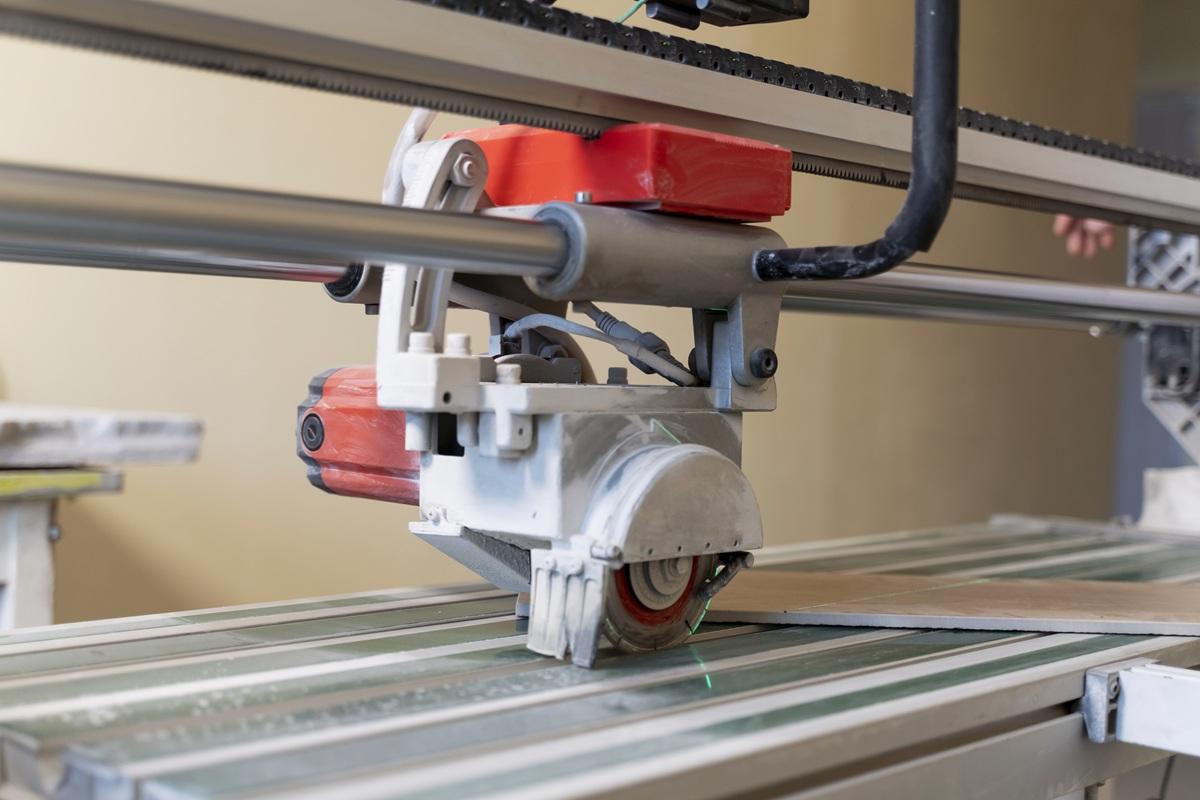
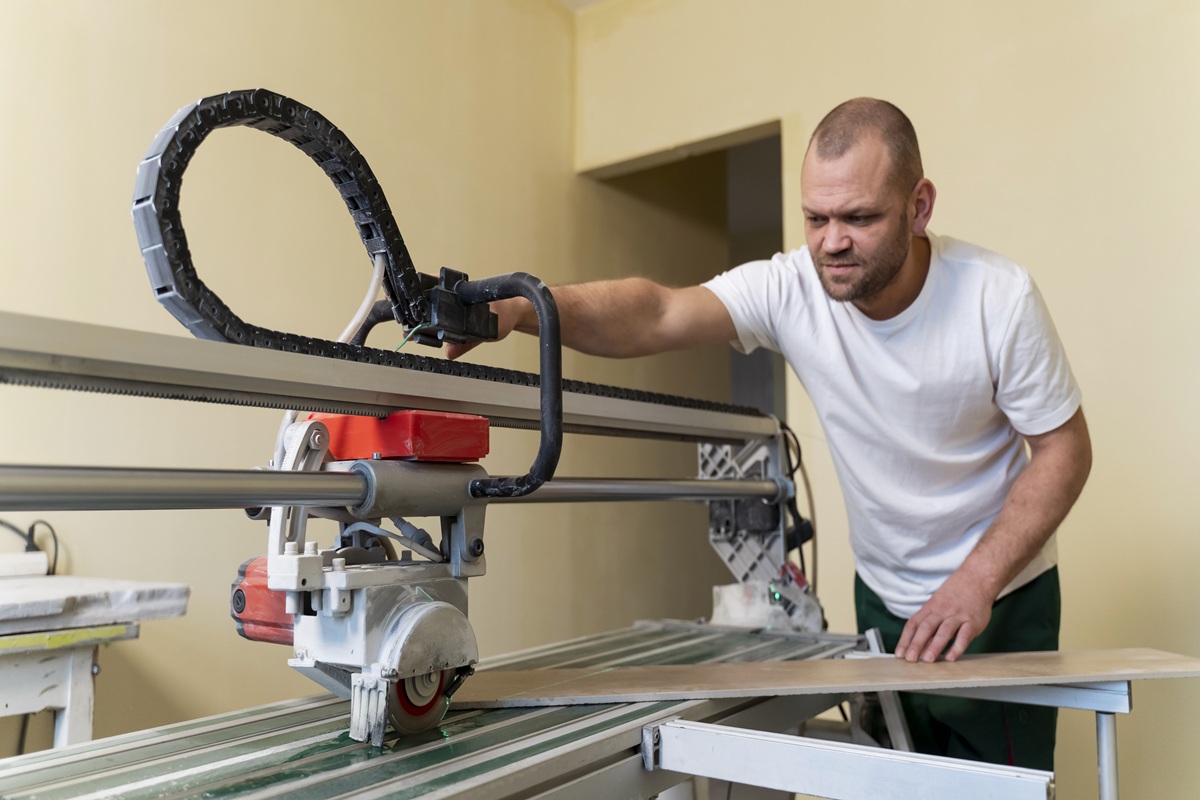
Advanced CNC routers are changing the game for Australian manufacturers across countless industries. From small workshops in Melbourne to large-scale operations in Perth, businesses are discovering that this technology isn't just for the big players anymore. It's becoming an essential tool for anyone serious about staying competitive in today's fast-paced market.
In this article, we'll explore everything you need to know about investing in advanced CNC routers. You'll learn how these machines work, what they cost, and most importantly, whether they're worth the investment for your specific situation. We'll also dive into the industries that benefit most and help you understand what to look for when making your purchase decision.
CNC stands for Computer Numerical Control, which essentially means a computer controls the cutting tool's movements. Think of it as having a highly skilled craftsman who never gets tired, never makes mistakes, and works at incredible speeds. The machine follows precise digital instructions to cut, carve, and shape materials with extraordinary accuracy.
The technology has come a long way since its early days. Modern CNC routers can execute complex three dimensional cuts that would take a human operator hours to complete manually. They read G-code instructions generated from CAD (Computer-Aided Design) software, translating your digital designs into physical products.
Every CNC routers consists of several critical components working together seamlessly. The spindle is the heart of the machine, rotating the cutting tool at speeds up to 24,000 RPM. The gantry system moves the spindle across multiple axes, while the controller interprets the programming and coordinates all movements.
Modern systems also include advanced features like automatic tool changers, vacuum tables for securing materials, and dust collection systems. These additions might seem like extras, but they dramatically improve productivity and workplace safety.
Human hands, no matter how skilled, simply cannot match the precision of a well calibrated CNC router. These machines achieve tolerances as tight as 0.001mm, producing identical parts batch after batch. This level of consistency is particularly valuable when manufacturing components that must fit together perfectly.
For Australian businesses competing on quality, this precision becomes a major selling point. Your customers receive products that meet exact specifications every single time.
A CNC router doesn't take tea breaks or call in sick. It can run continuously, often completing in minutes what would take hours by hand. This dramatic improvement in production speed means you can take on more orders and meet tighter deadlines.
Plus, once you've programmed a design, reproducing it is effortless. This repeatability transforms how you handle recurring orders.
Nesting software optimises how parts are arranged on material sheets, minimising waste. Combined with the precision cutting that eliminates errors, you'll see significant reductions in material costs. Over time, these savings add up substantially.
Modern CNC routers handle an impressive range of materials. Wood, plastics, aluminium, composites, foam, and even soft metals are all fair game. This versatility means one machine can serve multiple purposes in your workshop.
To determine if a CNC router makes sense for your business, start by tracking your current production costs. Include labour hours, material waste, rejected parts, and any work you're outsourcing. Then estimate how these figures would change with CNC capabilities.
Most businesses see productivity gains of 300% to 500% on tasks suitable for CNC machining. When you crunch the numbers, the investment often looks quite attractive.
A cabinetmaker in Brisbane recently shared that their CNC router allowed them to increase output by 400% while reducing staff overtime. A signage company in Sydney reported cutting production time for complex jobs from days to hours.
These aren't isolated examples. Across Australia, businesses are experiencing similar transformations.
Custom kitchens, furniture, and joinery work have been revolutionised by CNC technology. Complex joints, decorative elements, and precise panel cutting are now faster and more accurate than ever.
Three-dimensional letters, intricate logos, and custom displays are bread and butter for CNC routers in this sector. The ability to quickly produce unique designs gives signage businesses a competitive edge.
Precision is non-negotiable in these industries. CNC routers produce components that meet exacting specifications consistently, making them invaluable for manufacturers in these sectors.
From mass production to bespoke pieces, furniture makers benefit from the speed, accuracy, and repeatability that CNC routers provide.
Even the most experienced craftsperson has off days. CNC routers don't. Every cut follows the programmed path precisely, eliminating the inconsistencies that come with manual work. This reliability translates directly into higher quality products.
Designs that would be impossibly time consuming by hand become practical with CNC technology. Three-dimensional carvings, intricate patterns, and complex geometries are executed flawlessly, opening up new creative possibilities for your business.

Spindle power determines cutting capability. Look for at least 3kW for serious woodworking. Linear guides and ball screws provide smoother, more accurate movement than cheaper alternatives. A rigid frame construction minimises vibration and improves cut quality.
Consider your typical workpiece dimensions and allow room for growth. Standard bed sizes in Australia range from 1200mm x 1200mm to 2400mm x 1200mm, though larger options exist.
The best machine is useless if you can't program it effectively. Ensure the router works with industry standard software and offers good local training and support.
Regular maintenance keeps your CNC router performing optimally. This includes lubricating moving parts, checking belt tension, cleaning dust from electronics, and replacing worn cutting tools.
With proper care, a quality CNC router should serve your business for 10 to 15 years or more. Invest in training for your operators and follow the manufacturer's maintenance schedule religiously.
CNC routers allow one operator to manage multiple machines, dramatically increasing output without proportional increases in staffing costs.
Rush jobs that once caused stress become manageable when your production speed increases several-fold.
Australian manufacturers face increasing competition from overseas. CNC technology helps level the playing field by improving efficiency and quality.
Investing in an advanced CNC routers represents more than just buying a machine. It's a strategic decision that positions your business for long term success. The benefits we've explored, from precision and speed to cost savings and versatility, combine to create a compelling case for adoption.
The initial investment might seem significant, but the numbers typically work in your favour. Reduced waste, increased productivity, and improved quality all contribute to a strong return on investment. Many Australian businesses recover their outlay within two years.
If you're serious about growing your manufacturing capabilities and staying competitive, now's the time to explore what CNC technology can do for you. Research your options, talk to suppliers, and consider how this investment could transform your operations. Your future self, and your bottom line, will thank you for it.