English
 Arabic
 French
 Spanish
 Portuguese
 Deutsch
 Turkish
 Dutch
Dutch
 Italiano
 Russian
 Romaian
 Portuguese (Brazil)
 Greek
Greek
RSVSR Why Black Ops 7 Cursed Survival Matters This Season
Games |
2026-01-19 07:42:56
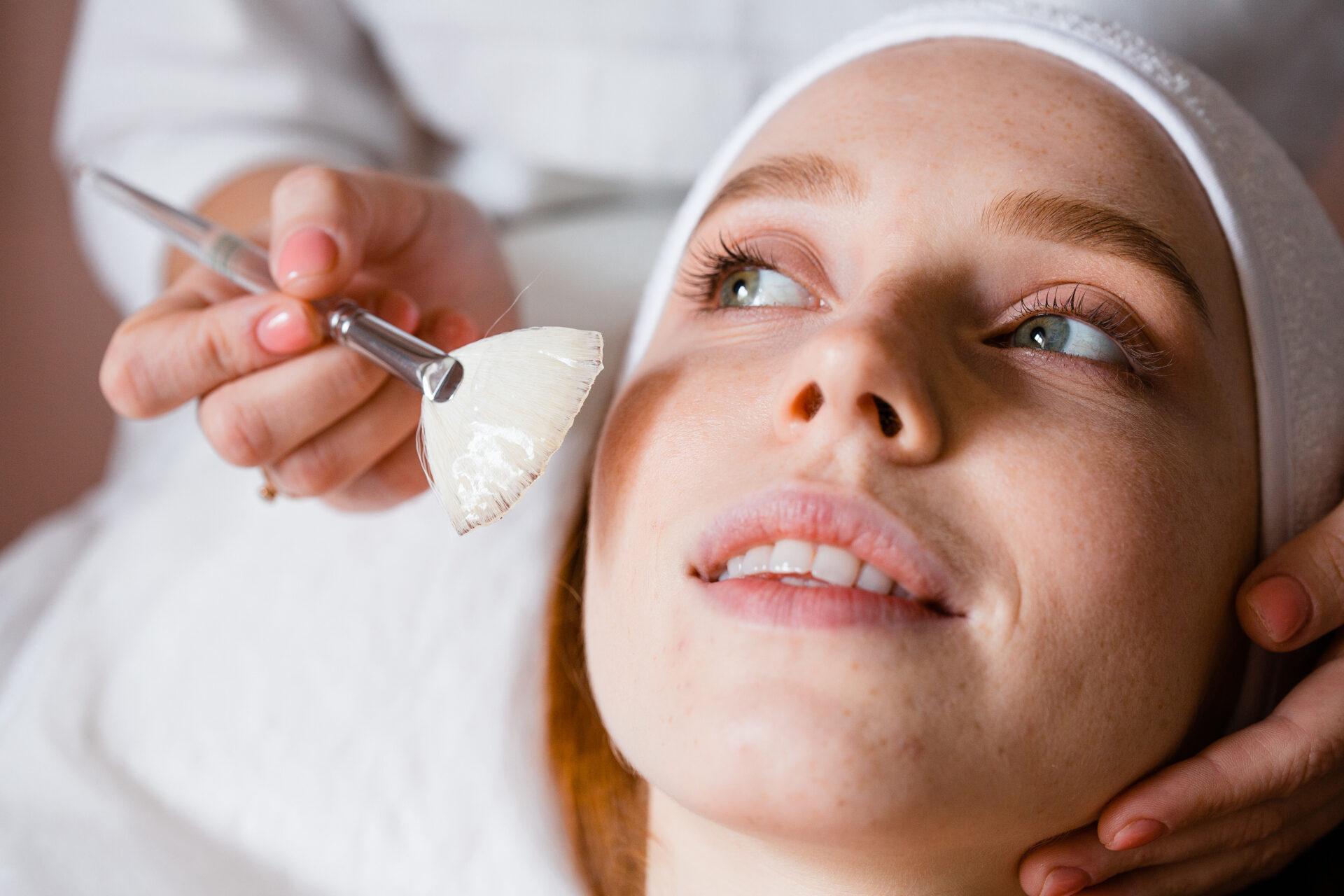
Selecting the right chemical peel is essential for achieving optimal skin results, whether you want to reduce wrinkles, acne scars, or improve overall texture. Chemical Peels in Islamabad provide a wide range of options for various skin concerns. Each type of peel is designed to address specific issues, from mild dullness to deeper wrinkles and pigmentation. Understanding the types of chemical peels, your skin type, and treatment goals is crucial to choosing the most effective option. This guide will help you make an informed decision about the best chemical peel for your skin.
Chemical peels involve the application of a chemical solution that exfoliates the outer layer of the skin, promoting the growth of new, healthy skin cells. The treatment can address various skin concerns such as:
Uneven skin texture
Fine lines and wrinkles
Acne scars and pigmentation
Dullness and discoloration
Sun damage
Chemical peels stimulate collagen production, enhance elasticity, and improve overall skin tone, making them a versatile solution for multiple cosmetic concerns.
Different skin types respond differently to chemical peels.
Oily or acne-prone skin: Salicylic acid peels are highly effective for unclogging pores and reducing oiliness.
Dry or sensitive skin: Superficial peels using lactic acid or glycolic acid are gentler and safer.
Normal skin: Most peels, including superficial and medium-depth peels, are suitable.
Knowing your skin type helps your dermatologist select a peel that delivers results without causing irritation or adverse effects.
Your primary skin concerns determine the type of peel needed:
Fine lines and wrinkles: Medium to deep peels, such as TCA or phenol peels, are more effective.
Acne scars: Combination or salicylic acid peels can reduce post-acne marks.
Uneven texture and dullness: Superficial peels like glycolic acid peels provide smoother, radiant skin.
Pigmentation: Medium-depth or Jessner’s peels help fade hyperpigmentation and sun damage.
Clearly identifying your goals ensures the peel you choose addresses your needs effectively.
Chemical peels are categorized by depth:
Superficial peels: Remove the outermost skin layer, ideal for mild concerns and first-time treatments.
Medium peels: Penetrate deeper to improve texture, pigmentation, and fine wrinkles.
Deep peels: Offer dramatic results for severe skin issues but require longer recovery and professional supervision.
Understanding the peel’s depth helps in balancing effectiveness with downtime and recovery.
Different peels require varying recovery periods:
Superficial peels: Minimal downtime, slight redness, and flaking for a few days.
Medium peels: Redness and peeling for up to one week.
Deep peels: Significant downtime of 2–3 weeks with strict post-care.
Consider your schedule and lifestyle when choosing a peel, especially if you have upcoming events or professional commitments.
The success of a chemical peel depends heavily on the experience of the dermatologist or clinic performing the procedure. Certified dermatologists assess your skin, recommend the right peel, and ensure safe application. Selecting a reputable clinic with experienced professionals is crucial for achieving desired results.
Some peels require multiple sessions for optimal results:
Superficial peels: Usually every 2–4 weeks for consistent improvement.
Medium peels: Every 4–6 months depending on skin response.
Deep peels: Usually a single treatment is sufficient for long-term results.
Knowing the expected frequency helps in planning your treatment schedule effectively.
These peels use mild acids like glycolic or lactic acid to improve texture and radiance. They are suitable for first-time patients and sensitive skin.
TCA-based peels provide deeper exfoliation for pigmentation, fine lines, and uneven texture. They are ideal for moderate skin concerns with minimal downtime.
A combination of salicylic acid, lactic acid, and resorcinol, Jessner’s peel treats acne scars, pigmentation, and uneven texture, making it a versatile option.
Excellent for oily and acne-prone skin, these peels clear pores, reduce oiliness, and improve skin smoothness.
Phenol peels offer the most dramatic results for deep wrinkles and severe skin damage but require careful supervision and extended recovery.
Preparation is essential for a safe and effective peel:
Consultation: Schedule a professional assessment to determine your skin type and concerns.
Avoid Harsh Products: Stop using retinoids, scrubs, or strong acids at least a week before treatment.
Sun Protection: Limit sun exposure to reduce sensitivity.
Medical Disclosure: Inform your dermatologist of medications, allergies, or skin conditions.
Proper aftercare ensures the best results and reduces the risk of complications:
Use gentle moisturizers to maintain hydration
Apply broad-spectrum sunscreen daily
Avoid picking or scratching treated areas
Follow all dermatologist instructions carefully
Expect mild redness, flaking, or peeling depending on peel depth
Improved skin texture: Smooths roughness and refines pores
Reduced wrinkles and fine lines: Promotes collagen production for firmer skin
Even skin tone: Reduces pigmentation and discoloration
Radiant complexion: Removes dull, dead skin cells
Enhanced skincare absorption: Improves effectiveness of topical products
Q1: How do I know which chemical peel is right for me?
A: Consult a certified dermatologist to assess your skin type, concerns, and goals. They will recommend a peel suited for your needs.
Q2: Are chemical peels safe for all skin types?
A: Superficial and mild peels are safe for most skin types. Medium and deep peels require professional supervision, especially for sensitive or darker skin.
Q3: How long before I see results?
A: Superficial peels may show immediate radiance, while medium or deep peels may require multiple sessions for significant improvement.
Q4: Can chemical peels treat multiple skin concerns at once?
A: Yes, combination peels like Jessner’s peel can address acne, pigmentation, and uneven texture simultaneously.
Q5: What is the downtime for different peels?
A: Superficial peels have minimal downtime, medium peels may require up to a week, and deep peels require 2–3 weeks of recovery.
Q6: Can chemical peels be combined with other treatments?
A: Yes, chemical peels can complement facials, microneedling, or laser treatments for enhanced results.
Q7: How often should I get a chemical peel?
A: Frequency depends on peel type and skin goals. Superficial peels are usually every 2–4 weeks, medium peels every 4–6 months, and deep peels are typically a one-time procedure.
Choosing the right chemical peel in Islamabad requires understanding your skin type, concerns, and treatment goals. From superficial peels for mild dullness to deep peels for wrinkles and severe pigmentation, there are options suitable for every need. Professional consultation, proper preparation, and diligent post-care are crucial for achieving optimal results.
For expert chemical peel treatments in Islamabad, SKN Cosmetics offers professional, personalized solutions. Their experienced dermatologists ensure safe procedures, effective results, and healthier, smoother, and radiant skin tailored to your individual needs.