English
 Arabic
 French
 Spanish
 Portuguese
 Deutsch
 Turkish
 Dutch
Dutch
 Italiano
 Russian
 Romaian
 Portuguese (Brazil)
 Greek
Greek
Titans land Reggie McKenzie for enior scoutingpurpose
Home |
2025-12-15 02:40:33
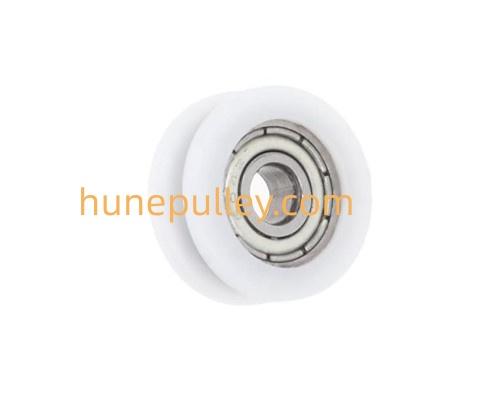
Many homeowners rarely notice the small parts hidden inside furniture or sliding structures, yet these components quietly support daily convenience. A Hune Plastic Pulley Wheel often works behind panels, drawers, or movable elements, allowing objects to glide smoothly along tracks. Although this part appears simple, it plays an important role in modern household design, where quiet movement and compact structures are widely preferred.
Inside living spaces, movement systems appear in many places. Cabinets open sideways, wardrobe panels shift along rails, and storage sections slide in and out of narrow spaces. These actions rely on small wheels designed to guide motion without interrupting the overall appearance of the furniture. When such components are properly shaped, the sliding experience becomes gentle and controlled rather than rough or unstable.
One common place where molded rollers appear is inside wardrobe structures. Closet doors often move horizontally along upper or lower tracks. The wheel hidden within the door frame allows the panel to travel along the guide path. When the groove design matches the track profile, movement becomes stable while maintaining quiet operation. This arrangement allows designers to keep the door frame slim while still ensuring smooth motion.
Another household application appears in cabinet storage systems. Kitchen and living room furniture often contain sliding compartments designed for convenience. Instead of lifting or pulling heavy structures outward, users simply slide a panel or tray. Small molded wheels guide this movement inside the cabinet frame. Because the roller occupies limited space, the interior structure remains compact and practical for daily storage.
Furniture with movable partitions also benefits from molded wheel components. Adjustable sections inside shelving systems allow users to change the layout depending on storage needs. These partitions slide along narrow rails built into the furniture structure. With the right wheel shape, the partition travels smoothly without scratching the surrounding surfaces.
Sliding bathroom accessories provide another example. In some designs, mirrored cabinets or small organizers move sideways along narrow channels. The roller concealed behind the panel allows the structure to shift gently while maintaining alignment. Designers often choose molded plastic components in these situations because they are lightweight and easy to integrate into compact frames.
Household equipment sometimes includes movable covers or protective panels as well. Small rollers support these elements so that the user can open or close them without complicated mechanisms. Because the structure remains simple, maintenance becomes easier and installation remains straightforward for manufacturers.
Apart from indoor furniture, molded wheels also appear in storage containers used around the home. Movable lids, sliding trays, or small compartment doors can rely on concealed rollers to guide motion. When these pieces move quietly, the overall user experience feels more refined.
Design flexibility remains one reason manufacturers prefer molded components for sliding hardware. Different furniture structures require different groove shapes, diameters, or edge profiles. Instead of adapting the product to match standard components, designers often request custom molded rollers tailored to the structure of the furniture or equipment.
A small wheel may appear insignificant at first glance, yet the design process behind it can involve careful consideration. The groove must match the track profile. The outer surface should move smoothly without causing vibration. The shape must also integrate naturally with the surrounding frame so that the entire system remains balanced.
Another advantage of molded wheel components involves simplified structures. In many household applications, internal bearings are not required. A well shaped molded roller can guide movement directly along a track surface. This design reduces the number of parts inside the assembly while maintaining stable motion.
Manufacturers capable of producing custom molded rollers often cooperate closely with furniture designers. Through discussion of drawings or samples, the wheel shape can be adjusted until it suits the intended application. Such collaboration allows hardware brands to create unique sliding structures suited to their own product style.
In the field of sliding hardware, small injection molded parts are widely used in different household designs. These components may include rollers without shafts, compact wheels for narrow channels, or other molded elements designed for movement guidance. Because molding technology allows flexible shaping, manufacturers can produce parts adapted to various household product structures.
Hunepulley focuses on molded pulley wheels and other small injection molded components used in sliding systems. Production can support rollers without shafts and customized plastic parts designed according to different structural needs. Even designs without internal bearings can be developed through molded solutions. Those interested in learning about available manufacturing capabilities may visit Hunepulley