English
 Arabic
 French
 Spanish
 Portuguese
 Deutsch
 Turkish
 Dutch
Dutch
 Italiano
 Russian
 Romaian
 Portuguese (Brazil)
 Greek
Greek
Wirewound Variable Resistors Market to Reach USD 2.31 Billion by 2033, Growing at 5.1% CAGR
Other |
2025-10-27 05:34:55
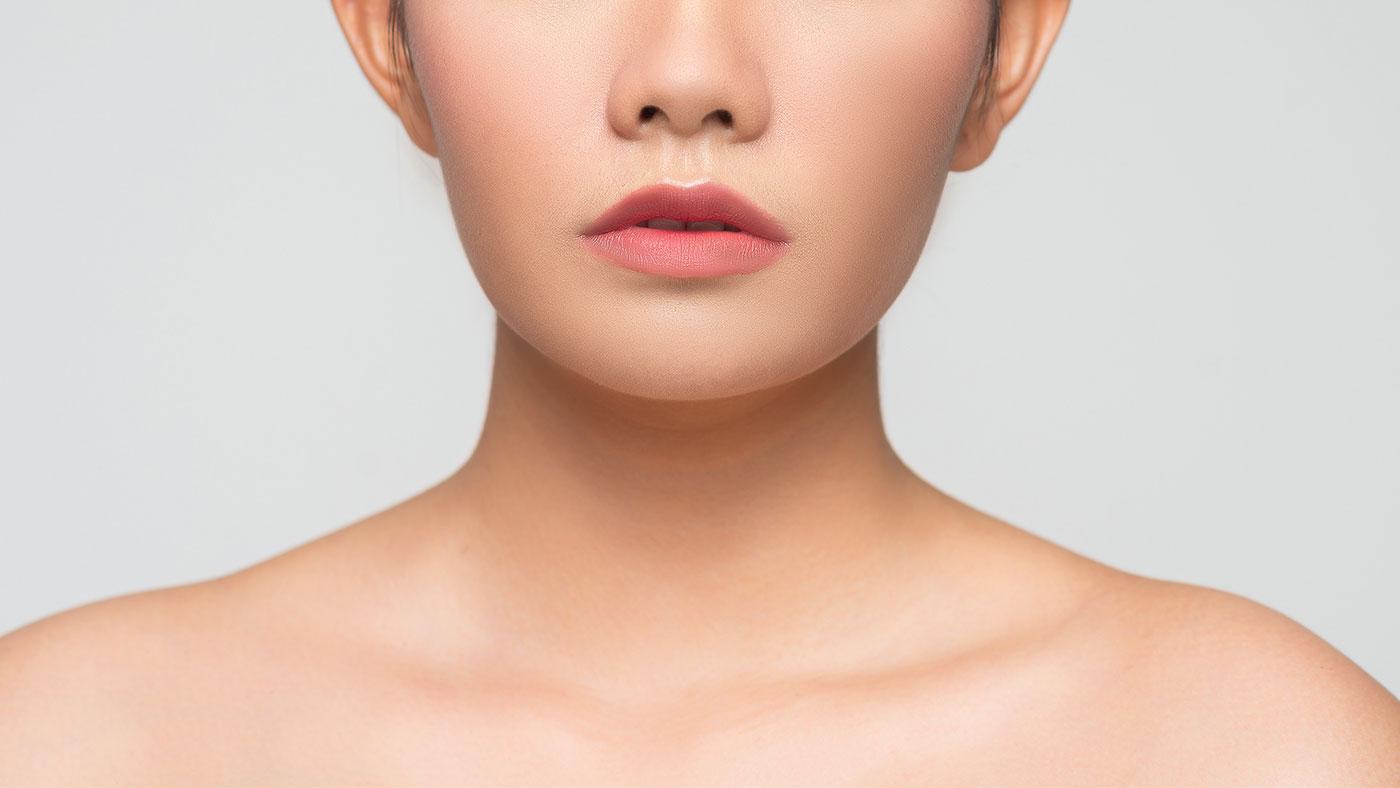
Successful rhinoplasty depends not only on the underlying bone and cartilage but also on the patient’s skin type. Patients seeking nose reshaping Riyadh(عمليات تجميل الانف في الرياض) benefit from customized approaches that account for variations in skin thickness, elasticity, and texture. Tailoring the procedure to an individual’s skin characteristics ensures natural-looking results, reduces complications, and enhances overall satisfaction with the final outcome.
Skin type plays a significant role in how rhinoplasty heals and how the final nose appears. Key considerations include:
Thin skin, which can highlight structural details but may show irregularities
Thick skin, which can mask minor imperfections but may limit tip definition
Combination skin with areas of varying thickness and elasticity
Recognizing skin type allows surgeons to plan techniques that optimize aesthetic results while maintaining natural harmony.
Different skin types influence the choice of rhinoplasty techniques. Surgeons may consider:
Gentle tip refinement for patients with thin skin to avoid visible irregularities
Strengthening the nasal framework for thick-skinned patients to enhance definition
Layered soft tissue management to accommodate unique textures
Customizing the surgical approach ensures the nose heals beautifully and aligns with the patient’s facial proportions.
A thorough preoperative evaluation is essential for tailoring rhinoplasty to skin type. This includes:
Analyzing skin thickness and elasticity through physical examination
Reviewing patient goals and desired aesthetic outcomes
Planning cartilage grafting or augmentation as needed to support structure
A detailed assessment helps predict how the skin will drape over the reshaped nose, allowing for more precise and predictable results.
Skin type also affects healing after rhinoplasty. Recovery considerations include:
Thin skin may require extra care to avoid excessive scarring or contour irregularities
Thick skin may experience prolonged swelling, especially at the nasal tip
Maintaining proper hydration and skincare to support optimal healing
Understanding these differences allows patients to follow personalized postoperative instructions for the best outcomes.
Swelling and bruising can vary depending on skin type, and managing them is critical in the first few weeks. Strategies include:
Using cold compresses to reduce early swelling
Keeping the head elevated while resting or sleeping
Following surgeon-recommended topical care or medications
Tailored care ensures that swelling resolves evenly and minimizes risks of asymmetry or prolonged edema.
Skin type influences how the nose ultimately looks, so aesthetic planning must account for:
Tip definition and projection relative to skin thickness
Smoothness and evenness of nasal bridge contours
Integration of the nose with other facial features
By aligning surgical techniques with skin characteristics, surgeons can create a nose that appears natural and balanced.
Selecting an experienced surgeon is particularly important for patients with unique skin types. Considerations include:
Expertise in skin-specific rhinoplasty techniques
Ability to predict how skin will respond to surgery
Personalized consultation to discuss options and expected outcomes
A skilled surgeon ensures that skin type is fully considered, resulting in optimal function and aesthetics.
Even after the initial recovery, skin type can influence long-term results. Patients should be aware of:
Gradual refinement of swelling and definition over several months
Potential need for minor touch-ups in rare cases
Continuing skincare to maintain smoothness and elasticity
Attention to long-term skin health helps preserve surgical outcomes and enhances the nose’s natural appearance.
Rhinoplasty is not a one-size-fits-all procedure, and skin type is a crucial factor in achieving ideal results. Patients seeking nose reshaping Riyadh benefit from customized surgical planning that accounts for skin thickness, elasticity, and texture. By tailoring techniques, managing healing, and considering long-term skin behavior, surgeons can deliver natural-looking, harmonious results that complement the patient’s facial features. Choosing an experienced surgeon who understands the nuances of different skin types ensures that both aesthetics and function are optimized. With careful planning and personalized care, rhinoplasty can achieve a nose that looks beautiful, heals well, and maintains its form for years to come.