English
 Arabic
 French
 Spanish
 Portuguese
 Deutsch
 Turkish
 Dutch
Dutch
 Italiano
 Russian
 Romaian
 Portuguese (Brazil)
 Greek
Greek
How Does Gusu Food Machine Enhance Efficiency In Modern Food Production
Shopping |
2026-02-10 06:11:06
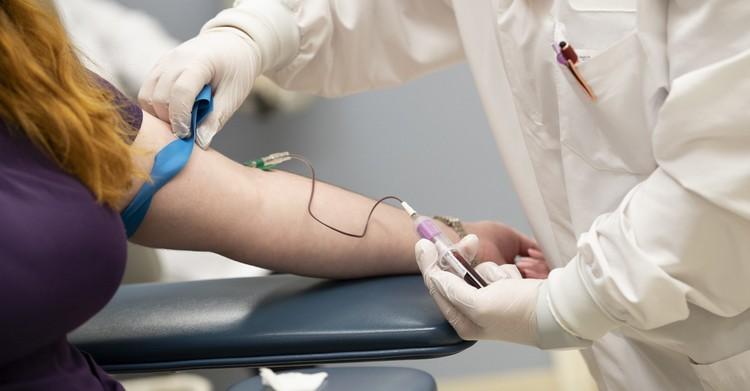
Phlebotomy is one of the fastest entry routes into the UK healthcare sector, but many professionals stop at the basic level without realising the full potential of this career. With the right skills and training, you can quickly progress into advanced roles, increase your salary, and work in specialised clinical settings. Manchester, as a major healthcare hub, offers excellent opportunities for phlebotomists seeking professional advancement. This guide explains how to move from a beginner to an advanced phlebotomist in the UK, including career pathways, certifications, and salary progression to help you achieve long-term success.
A phlebotomist is responsible for collecting blood samples from patients for testing, diagnosis, and treatment. This role is essential in hospitals, GP surgeries, private clinics, and diagnostic laboratories.
Performing venepuncture safely and accurately
Identifying patients and labelling samples correctly
Maintaining hygiene and infection control standards
Communicating with patients to reduce anxiety
Handling and transporting samples properly
At the basic level, phlebotomists focus on routine blood collection. However, advanced roles require additional technical skills and confidence in handling complex cases.
To enter the field, you need a recognised phlebotomy training course. This provides the foundational knowledge and practical skills required to perform blood draws safely.
Anatomy of veins
Infection control procedures
Basic venepuncture techniques
Patient care and communication
Many beginners choose structured programmes that include both theory and hands-on practice. This ensures you are job-ready from the start.
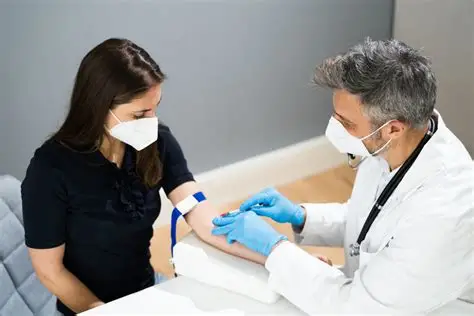
After completing your initial training, gaining real-world experience is essential.
NHS hospitals
GP surgeries
Private clinics
Diagnostic laboratories
Experience helps you build confidence, improve technique, and handle different patient groups, including elderly individuals and those with difficult veins.
Employers in Manchester value candidates who can demonstrate consistent and safe practice in clinical settings.
To move beyond the beginner level, you must refine your core skills.
Accuracy and attention to detail
Strong communication skills
Patient care and empathy
Time management
Ability to work under pressure
Developing these skills allows you to work more efficiently and prepares you for advanced responsibilities.
Advanced phlebotomy involves handling more complex procedures and patient needs.
Using butterfly needles
Drawing blood from patients with difficult veins
Paediatric and neonatal blood collection
Working in high-pressure clinical environments
Supporting specialised medical procedures
Enrolling in a Manchester advanced phlebotomy certification programme can help you gain these specialised skills and stand out in the job market.
Certification is key to career progression. Advanced training demonstrates your ability to perform complex tasks safely and effectively.
Increases employability
Opens doors to specialised roles
Enhances professional credibility
Supports career progression
A recognised Manchester advanced phlebotomy certification programme provides both theoretical knowledge and practical experience, ensuring you meet UK healthcare standards.
Manchester is home to some of the UK’s leading healthcare facilities, offering a wide range of opportunities for phlebotomists.
Large NHS hospitals
Private diagnostic centres
Research laboratories
Specialist clinics
Advanced phlebotomists are particularly in demand in settings where precision and expertise are critical.
Career progression in phlebotomy directly impacts your earning potential.
Entry-Level Phlebotomist: £20,000 – £24,000
Experienced Phlebotomist: £24,000 – £28,000
Advanced/Specialist Phlebotomist: £28,000 – £35,000+
In Manchester, salaries may vary depending on the employer and level of responsibility. Private sector roles and specialised positions often offer higher pay.
With advanced skills and experience, you can transition into specialised roles such as:
Senior Phlebotomist
Phlebotomy Supervisor
Clinical Research Assistant
Laboratory Technician
These roles involve greater responsibility and often provide opportunities for further career growth.
Continuous learning is essential in healthcare. Staying up to date with new techniques and standards helps you maintain high-quality practice.
Attend training workshops
Complete additional certifications
Learn about new technologies and procedures
Professional development ensures you remain competitive in the job market.
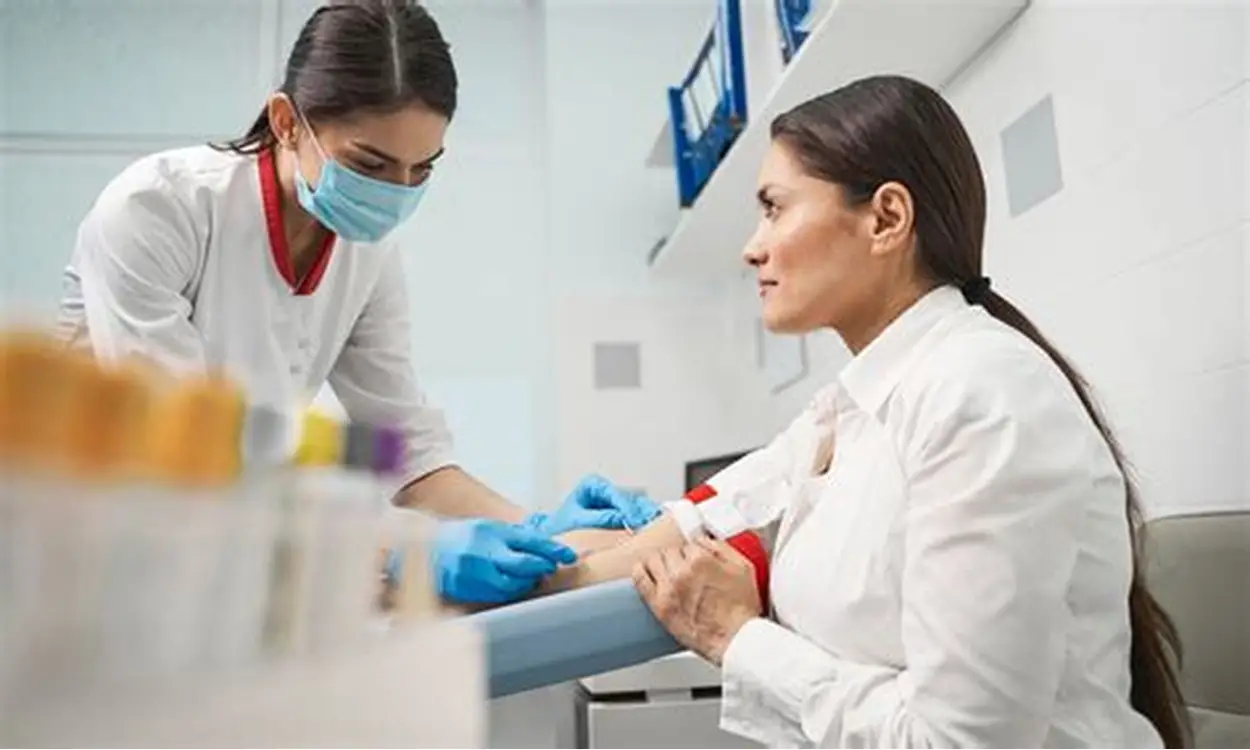
Planning your career helps you achieve your goals more efficiently.
Set clear career milestones
Seek mentorship from experienced professionals
Take initiative in your workplace
Apply for promotions when ready
A clear strategy allows you to progress from a basic role to an advanced position more quickly.
Manchester offers a strong healthcare network and diverse job opportunities.
Access to leading hospitals and clinics
High demand for skilled healthcare workers
Opportunities in both the NHS and the private sectors
Competitive salaries and career progression
This makes it an ideal location for building and advancing your phlebotomy career.
While phlebotomy offers excellent opportunities, it also comes with challenges:
Working with anxious or difficult patients
Maintaining precision under pressure
Managing workload in busy environments
Developing resilience and professionalism helps you overcome these challenges.
Progressing from a basic to an advanced phlebotomist in the UK is a realistic and rewarding career path. By gaining foundational training, building experience, and investing in advanced certification, you can significantly improve your skills, salary, and job opportunities.
Manchester provides an excellent environment for growth, with strong demand for skilled professionals and access to top healthcare facilities. With dedication, continuous learning, and the right qualifications, you can build a successful and long-term career in phlebotomy.