English
 Arabic
 French
 Spanish
 Portuguese
 Deutsch
 Turkish
 Dutch
Dutch
 Italiano
 Russian
 Romaian
 Portuguese (Brazil)
 Greek
Greek
The Benefits of Yonoel First Aid Kit Factory's Versatile Solutions
Crafts |
2026-01-26 05:25:37
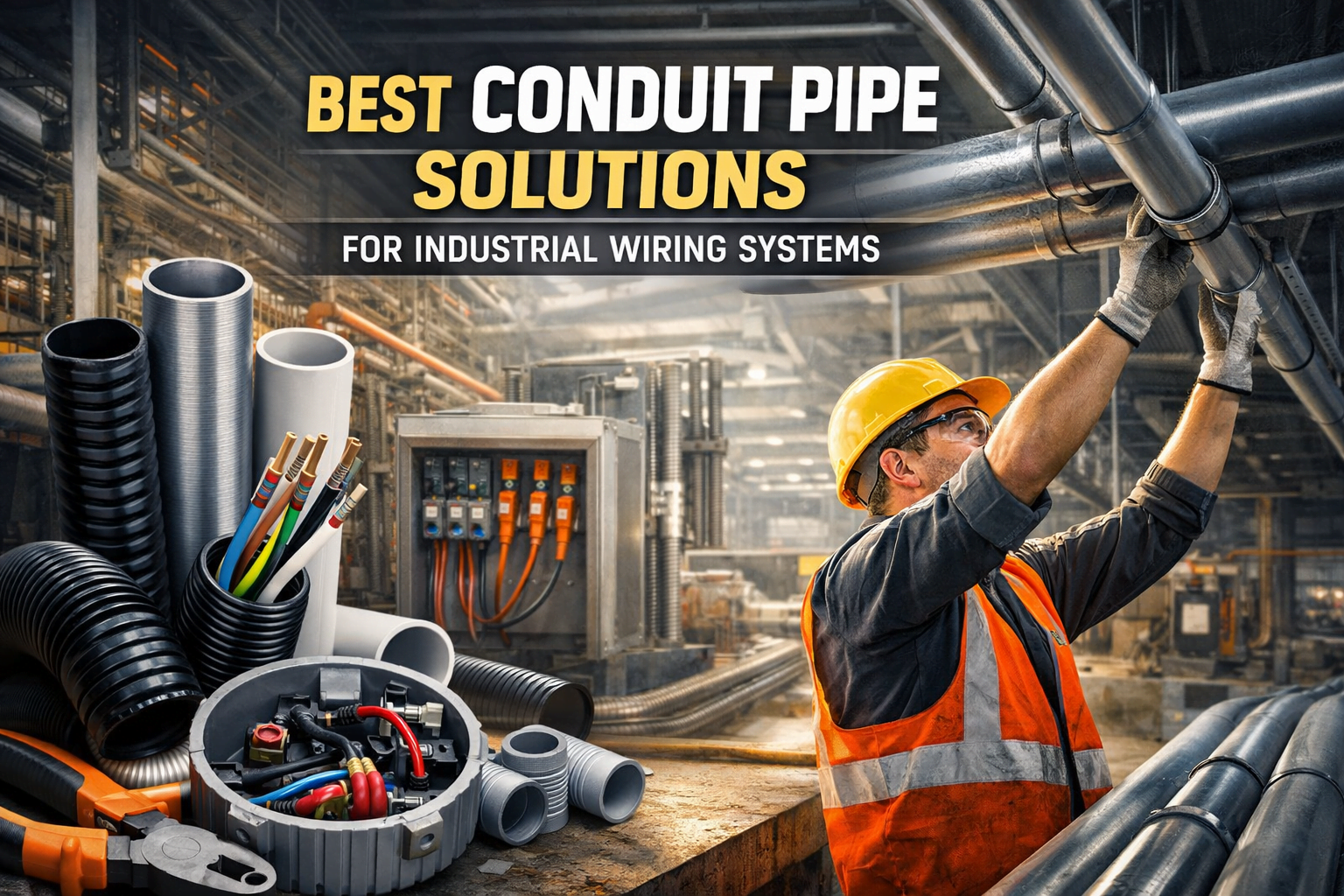
It was a humid afternoon in Karachi when a small workshop owner noticed sparks coming from an exposed wire running along the wall. The wiring had been installed years ago without any proper protection, and over time, heat, dust, and moisture had weakened its insulation. What started as a minor issue could have turned into a serious fire hazard.
This situation highlights why electrical conduit pipes are not just an accessory but a necessity in any electrical system. They act as a protective barrier, ensuring wires remain safe from environmental damage and accidental contact.
“Safety in electrical systems is not about reacting to problems, but preventing them before they begin.”
Electrical conduit pipes are specially designed tubes used to house and protect electrical wiring. They can be made from materials such as PVC, steel, or flexible plastic, depending on the application and environment.
Their primary function is to shield wires from external damage, including physical impact, moisture, chemicals, and even pests. By enclosing the wiring system, they create a safer and more organized infrastructure.
These pipes are commonly used in residential, commercial, and industrial setups, where safety standards demand proper cable management. Without them, wires are left exposed, increasing the likelihood of accidents and system failures.
Modern buildings rely heavily on electrical systems for everything from lighting to advanced machinery. As dependency increases, so does the risk associated with faulty or poorly installed wiring.
Electrical hazards can lead to fires, equipment damage, or even life-threatening situations. In many cases, these risks arise from external factors such as heat, moisture, or mechanical stress on wires.
Conduit systems provide a structured solution by reducing these risks. They ensure that wiring remains intact and secure, even under challenging conditions. In today’s fast-paced environments, taking preventive measures is no longer optional—it is necessary.
Electrical conduit systems offer multiple layers of protection that directly contribute to safer installations:
Overall, these benefits make conduit pipes an integral part of any safe electrical installation.
Different types of conduit pipes are designed for specific environments, each offering unique safety advantages.
PVC conduits are widely used due to their resistance to corrosion and moisture. They are lightweight, easy to install, and suitable for residential and commercial applications.
Metal conduits, such as steel or aluminum, provide superior strength and are ideal for industrial settings where mechanical protection is critical. They also offer grounding capabilities, adding another layer of safety.
Flexible conduits are useful in areas where wiring needs to bend or move, ensuring protection without compromising accessibility.
Choosing the right type depends on the specific requirements of the project, including environmental conditions and load demands.
The effectiveness of a conduit system depends heavily on the quality of materials used. Poor-quality conduits may crack, deform, or fail under stress, compromising the entire electrical system.
High-grade materials ensure durability, resistance to environmental factors, and consistent performance over time. This is particularly important in regions with extreme weather conditions or heavy industrial activity.
In this context, reliable PVC Pipe Manufacturers in Pakistan play a crucial role by producing conduits that meet safety standards and provide long-term reliability.
Investing in quality materials not only improves safety but also reduces maintenance costs and system downtime.
Proper installation is just as important as selecting the right conduit. Even the best materials cannot ensure safety if installed incorrectly.
These practices significantly enhance the overall effectiveness of conduit systems.
Despite their benefits, conduit systems can fail if common mistakes are made during installation or maintenance:
Avoiding these mistakes ensures that conduit systems deliver their full safety potential.
Beyond immediate safety, conduit pipes contribute to the long-term reliability of electrical systems. They protect wiring from gradual wear and environmental damage, ensuring consistent performance over time.
In commercial and industrial settings, this reliability translates into reduced downtime and lower repair costs. Systems that are well-protected are less likely to experience unexpected failures, which can disrupt operations and increase expenses.
Additionally, conduit systems make future upgrades easier. Since wires are enclosed and organized, they can be replaced or expanded without major disruptions.
“Reliability in electrical systems comes from protection, planning, and consistent maintenance.”
Adhering to safety standards is essential when installing conduit systems. These regulations are designed to minimize risks and ensure consistent performance across different applications.
These measures create a structured approach to electrical safety.
The field of electrical safety continues to evolve with advancements in technology and materials. Modern conduit systems are being designed with improved durability, flexibility, and resistance to extreme conditions.
Smart monitoring systems are also being integrated into electrical networks, allowing for real-time detection of faults and potential hazards. This proactive approach further enhances safety and reliability.
Sustainable materials and eco-friendly manufacturing processes are becoming more common, reflecting a growing focus on environmental responsibility.
As technology progresses, conduit systems will continue to play a central role in ensuring safe and efficient electrical installations.
| Type of Conduit | Material | Key Safety Feature | Best Use Case | Durability |
| PVC Conduit | Plastic | مقاوم to moisture and corrosion | Residential wiring | High |
| Steel Conduit | Metal | Strong physical protection | Industrial environments | Very High |
| Flexible Conduit | Plastic/Metal | Easy to bend and install | Tight spaces | Medium |
| Aluminum Conduit | Metal | Lightweight with good protection | Commercial setups | High |
1. Why are conduit pipes important for electrical safety?
They protect wires from damage, moisture, and external hazards, reducing the risk of electrical failures and fires.
2. Can conduit pipes prevent electrical fires?
Yes, they help contain sparks and reduce exposure to flammable materials, lowering fire risks.
3. Which type of conduit is best for homes?
PVC conduits are commonly used in residential settings due to their durability and resistance to moisture.
4. How often should conduit systems be inspected?
Regular inspections should be conducted periodically, especially in high-use or industrial environments.
5. Are conduit pipes required by law?
In most regions, electrical codes require the use of conduits for safety and compliance.
Electrical safety is not something to overlook, especially in environments where wiring systems are constantly exposed to risks. Conduit pipes provide a practical and reliable solution by protecting cables, organizing installations, and reducing hazards.
From residential homes to industrial facilities, their role remains consistent—ensuring that electrical systems operate safely and efficiently over time. By choosing the right materials, following proper installation practices, and adhering to safety standards, it is possible to create systems that stand the test of time.
“True safety is built on careful choices, consistent practices, and a commitment to doing things the right way.”