English
 Arabic
 French
 Spanish
 Portuguese
 Deutsch
 Turkish
 Dutch
Dutch
 Italiano
 Russian
 Romaian
 Portuguese (Brazil)
 Greek
Greek
Unlocking Lawn Irrigation Success
Health |
2026-02-21 16:53:30
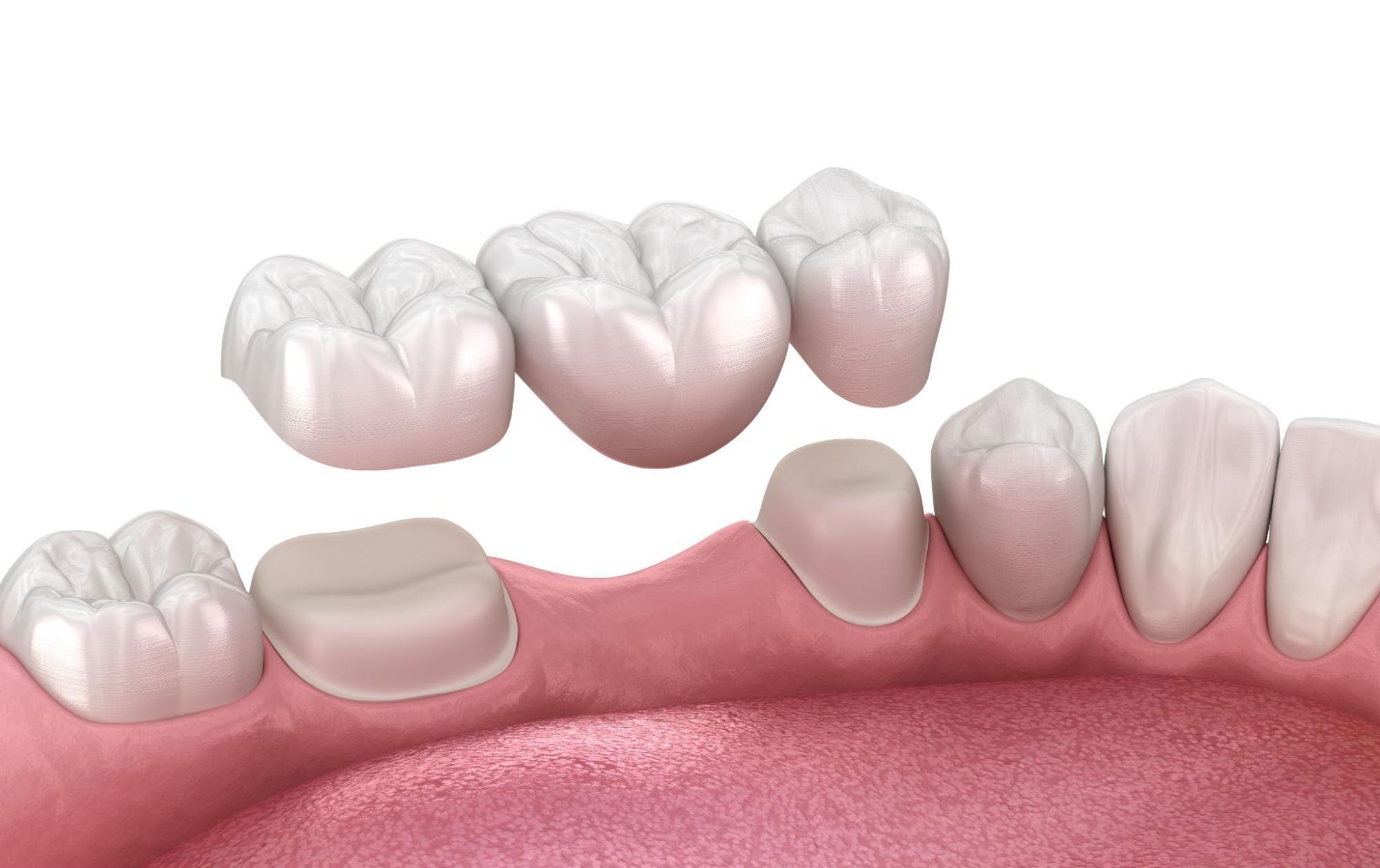
Losing a tooth can have a significant impact on your smile and your ability to speak and eat comfortably. Fortunately, dental bridges offer a solution to restore your smile and oral function. Dental bridges are one of the most popular restorative treatments in dentistry, designed to replace missing teeth and restore both form and function to your mouth.
If you're considering getting a dental bridge, it’s essential to understand what they are, how they work, and the benefits they offer. In this blog, we’ll cover everything you need to know about dental bridges, including the types, procedure, and how they can improve your overall oral health.
A dental bridge is a fixed dental restoration used to replace one or more missing teeth. It is called a "bridge" because it literally bridges the gap created by missing teeth. The bridge is anchored to adjacent natural teeth or dental implants, providing stability and restoring your ability to bite and chew effectively.
A typical dental bridge consists of two main components:
Pontic (Artificial Tooth): The missing tooth is replaced by a pontic, which is attached to the bridge structure. It can be made from a variety of materials, including porcelain, ceramic, or metal, depending on the needs of the patient.
Abutments (Supporting Teeth): The abutments are the adjacent teeth, either natural or implanted, that hold the bridge in place. These teeth are shaped to accommodate the bridge.
Dental bridges are designed to blend seamlessly with your natural teeth, improving the aesthetics of your smile and restoring oral function.
There are several types of dental bridges, each suitable for different situations. The most common types include:
Traditional dental bridges are the most widely used type. They consist of one or more pontics supported by dental crowns on either side. The crowns are placed over the abutment teeth, which are the teeth adjacent to the gap. These bridges are highly durable and are often made from porcelain or ceramic for a natural appearance.
Cantilever bridges are used when there is only one adjacent tooth next to the gap. Instead of being supported on both sides, the bridge is anchored on just one side. While this type of bridge can be effective, it is typically not recommended for areas that experience high pressure, such as the back teeth.
Maryland bridges are a conservative alternative to traditional bridges. They use a metal or porcelain framework to bond the pontic to the adjacent teeth, which are minimally altered. Maryland bridges are often used for replacing front teeth because they are less invasive than traditional bridges and preserve more of the natural tooth structure.
Implant-supported bridges are a more modern option for replacing missing teeth. In this case, dental implants are used to support the pontic, providing a strong and stable foundation. This type of bridge is ideal for patients who may not have healthy teeth on either side of the gap or for those looking for a more permanent and long-lasting solution. Dental implants act as artificial tooth roots, ensuring the bridge remains secure and functional.
The process of getting a dental bridge usually takes two or more visits to the dentist. Here's what you can expect during the procedure:
During your first visit, your dentist in Chandigarh will perform a thorough examination to assess your oral health. X-rays may be taken to evaluate the bone structure and the health of the adjacent teeth. Based on your specific case, your dentist will recommend the most suitable type of bridge and discuss the options available.
If you're getting a traditional or cantilever bridge, the abutment teeth will need to be reshaped to accommodate the crowns. This process involves removing a small portion of the enamel from the adjacent teeth so that the crowns will fit securely. Local anesthesia is usually applied to ensure the procedure is pain-free.
Once the abutment teeth are prepared, your dentist will take impressions of your mouth, which will be sent to a dental laboratory to create your custom bridge. While the permanent bridge is being made, a temporary bridge will be placed to protect the exposed teeth and gums.
During your second visit, your best dentist in Chandigarh will remove the temporary bridge and place the permanent one to check the fit and appearance. Adjustments will be made if necessary to ensure that the bridge fits comfortably and matches the surrounding teeth. Once everything is perfect, the bridge will be securely cemented into place.
After the procedure, follow-up appointments may be scheduled to ensure that the bridge is functioning properly and that your gums are healing as expected. If you experience any discomfort or issues, be sure to contact your dentist for further evaluation.
Dental bridges offer numerous benefits, both functional and aesthetic. Here are some of the key advantages of choosing dental bridges as a solution for missing teeth:
One of the main benefits of a dental bridge is the restoration of normal chewing and biting function. Missing teeth can make it difficult to eat certain foods, especially those that require chewing. By filling the gap with a dental bridge, you can regain full functionality and enjoy a wider variety of foods without discomfort.
Dental bridges are designed to match the color, shape, and size of your natural teeth, making them virtually indistinguishable from the surrounding teeth. They help restore the symmetry and appearance of your smile, giving you a more confident and attractive look.
When you lose a tooth, the remaining teeth may shift to fill the gap. This can lead to misalignment, bite problems, and an increased risk of tooth decay or gum disease. By replacing the missing tooth with a dental bridge, you help prevent your teeth from shifting, keeping your smile intact and your bite properly aligned.
Missing teeth can affect your ability to speak clearly. The gap left by a missing tooth can cause problems with pronunciation, especially when saying certain words. A dental bridge helps restore your ability to speak with confidence and clarity.
Dental bridges are made from high-quality materials, such as porcelain, metal, or ceramic, which are durable and long-lasting. With proper care and maintenance, a dental bridge can last for many years, providing a reliable solution for missing teeth.
Unlike dentures, which require removal for cleaning and maintenance, dental bridges are permanent fixtures in your mouth and can be cared for just like your natural teeth. Regular brushing, flossing, and routine dental checkups are all you need to maintain your bridge and keep your oral health in top condition.
Dental bridges are an excellent option for individuals who are missing one or more teeth. However, not everyone is a suitable candidate for this treatment. Good candidates for dental bridges include:
People with healthy teeth on either side of the gap (for traditional bridges)
Individuals with strong jawbones (for implant-supported bridges)
People who are in overall good health and can undergo dental procedures
If you’re unsure whether a dental bridge is right for you, schedule a consultation with your dentist in Chandigarh to discuss your options and determine the best solution for your needs.
Dental bridges offer a practical and aesthetically pleasing solution for replacing missing teeth. With a variety of options available, including traditional bridges, cantilever bridges, and implant-supported bridges, you can choose the treatment that best suits your needs and lifestyle.
Whether you're looking to restore functionality, improve your smile, or prevent further dental problems, dental bridges provide a long-lasting and reliable option. If you're considering a dental bridge, consult with a trusted dental professional to ensure that you receive the best care and treatment.
At your next dental visit, don’t hesitate to ask your best dentist in Chandigarh about dental bridges and how they can enhance your oral health and quality of life.