English
 Arabic
 French
 Spanish
 Portuguese
 Deutsch
 Turkish
 Dutch
Dutch
 Italiano
 Russian
 Romaian
 Portuguese (Brazil)
 Greek
Greek
Will fangda-tools SDS Drill Bit stay aligned in concrete?
Shopping |
2026-02-12 03:53:27
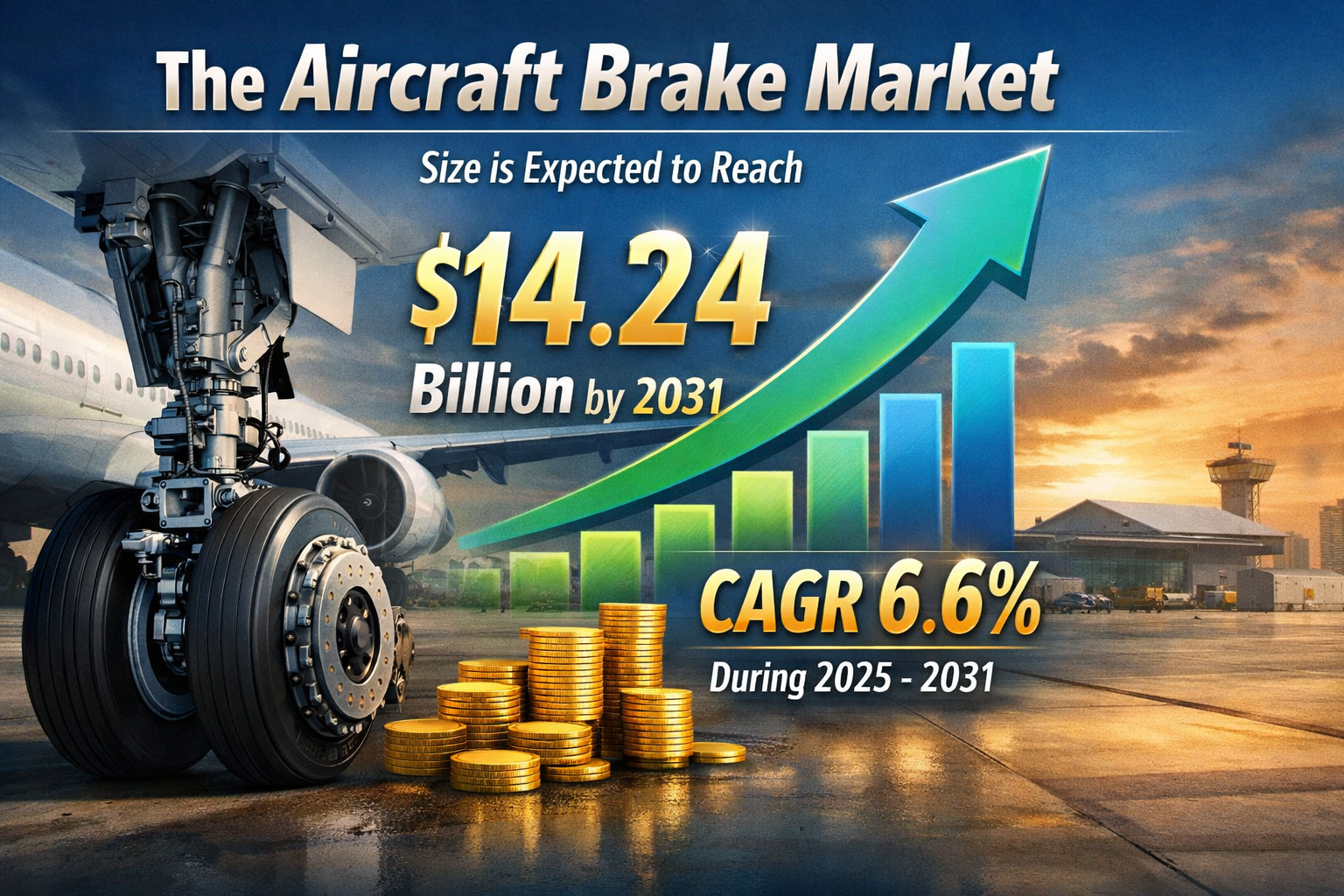
The Aircraft Brake Market size is expected to reach US$ 14.24 billion by 2031. The market is anticipated to register a CAGR of 6.6% during 2025-2031. This steady growth is underpinned by a global resurgence in air travel, the modernization of aging military fleets, and an industry wide push for fuel efficiency through weight reduction. As airlines strive to optimize their operating costs, the braking system has moved from being a purely mechanical safety component to a high tech assembly critical for economic performance.
Sustained Demand for Commercial Aviation
The primary engine of growth for the aircraft brake market is the robust demand for new commercial aircraft. Post pandemic, the aviation industry has seen a dramatic recovery in passenger traffic, leading to massive order backlogs for major airframers. As narrow body aircraft become the workhorses of regional travel, the frequency of takeoffs and landings has increased. Because braking systems are subject to intense thermal and mechanical stress during every landing cycle, this high utilization directly translates to a lucrative aftermarket for replacement brake discs and pads.
Download Sample PDF:https://www.theinsightpartners.com/sample/TIPRE00004965
Material Science and the Shift to Carbon
Historically, steel brakes were the standard for many decades. However, the industry has undergone a radical shift toward carbon-carbon composite materials. Carbon brakes are significantly lighter than their steel counterparts, often reducing the weight of a large commercial aircraft by several hundred kilograms. This weight saving is vital for reducing fuel burn and lowering carbon emissions. Furthermore, carbon materials possess superior heat absorption capabilities, allowing for shorter cooling times between flights and improving the turnaround efficiency for low cost carriers.
Integration of Electric Braking Systems
One of the most significant Aircraft Brake Market Trends is the transition from traditional hydraulic systems to electric brake actuation. Electric brakes offer several advantages, including the elimination of heavy hydraulic lines, valves, and corrosive fluids. By using electric motors to apply pressure to the brake stacks, pilots gain more precise control, and maintenance teams benefit from built in diagnostic sensors. These sensors can provide real time data on wear levels, allowing for predictive maintenance strategies that prevent unscheduled groundings of aircraft.
Military Modernization and Defense Spending
The defense sector remains a critical pillar of the market. Global geopolitical tensions have prompted many nations to increase their defense budgets and modernize their air forces. High performance fighter jets, heavy lift transport planes, and multi mission helicopters require braking systems capable of performing under extreme environmental conditions and on short, unimproved runways. The technical requirements for military grade brakes often drive innovation in the civilian sector, as manufacturers look to cross pollinate heavy duty technologies into commercial applications.
Environmental Regulations and Sustainability
Sustainability is no longer an option but a mandate in the aviation industry. Regulatory bodies are placing increasing pressure on manufacturers to reduce the environmental impact of their products. This has led to the development of greener manufacturing processes for carbon composites and the exploration of recyclable materials. Additionally, the reduction in weight provided by modern braking systems plays a direct role in helping airlines meet their "Net Zero" targets by 2050. The market is seeing a rise in "green" certifications for components that demonstrate a lower lifecycle carbon footprint.
Regional Growth and Infrastructure Expansion
The Asia Pacific region is emerging as a dominant force in the market. Rapid urbanization in India and China has led to the construction of hundreds of new airports and the launch of several new regional airlines. This infrastructure boom creates a massive requirement for original equipment. Meanwhile, North America and Europe continue to hold significant market shares due to the high density of existing aircraft fleets and the presence of major maintenance hubs. These mature markets are currently focused on retrofitting older aircraft with modern, lightweight braking assemblies to extend their operational life.
Key Players in the Aircraft Brake Market
The global landscape is highly competitive, with a few major aerospace conglomerates holding the majority of the market share through long term supply agreements and extensive patent portfolios. Key players include:
Safran S.A.
Collins Aerospace (RTX Corporation)
Honeywell International Inc.
Meggitt PLC (Parker Hannifin)
Crane Co.
Beringer Aero
Lufthansa Technik AG
Matco Manufacturing
Parker Hannifin Corporation
The Goodyear Tire and Rubber Company
Supply Chain Dynamics and Challenges
While the outlook is positive, the market faces challenges related to supply chain stability. The production of specialized carbon fibers and high strength alloys is concentrated among a few suppliers, making the market vulnerable to geopolitical shifts or raw material shortages. Furthermore, the rigorous certification processes required by aviation authorities ensure safety but also increase the time and cost involved in bringing new innovations to market. Companies are increasingly adopting digital twin technology and advanced simulation tools to streamline the design and testing phases.
Future Outlook
The future of the aircraft brake market will be defined by the "More Electric Aircraft" (MEA) architecture. As hydraulic systems are gradually phased out in favor of fully electric architectures, braking systems will become more integrated with the aircrafts overall digital health monitoring systems. We expect to see advancements in regenerative braking technologies and the use of even more exotic ceramic matrix composites that can handle higher temperatures with even less weight. The convergence of material science and digital connectivity will ensure that braking systems not only stop aircraft safely but also contribute to the overall intelligence and efficiency of the next generation of flight.
Related Reports:
About Us
The Insight Partners is a leading global market research and consulting firm specializing in delivering actionable insights across various industries. Our research reports combine extensive primary and secondary research to provide accurate market intelligence, helping businesses make informed strategic decisions. The company provides detailed analysis on emerging technologies, market trends, competitive landscapes, and growth opportunities across sectors including technology, healthcare, manufacturing, and energy.
Contact Us
The Insight Partners
Phone: +1-646-491-9876
Email: sales@theinsightpartners.com
Website: https://www.theinsightpartners.com