English
 Arabic
 French
 Spanish
 Portuguese
 Deutsch
 Turkish
 Dutch
Dutch
 Italiano
 Russian
 Romaian
 Portuguese (Brazil)
 Greek
Greek
Aviation Support Services Dubai: A Complete Guide to Efficient Aviation Operations
Other |
2026-03-18 09:25:26

Golf has long been associated with wide landscapes, fresh air, and sprawling fairways stretching across scenic environments. Traditionally, enthusiasts spent hours outdoors perfecting swings while navigating natural terrain. However, recent years have witnessed a dramatic transformation in how the sport is practiced. Indoor golf training has emerged as a powerful trend, attracting beginners, experienced players, and professionals alike.
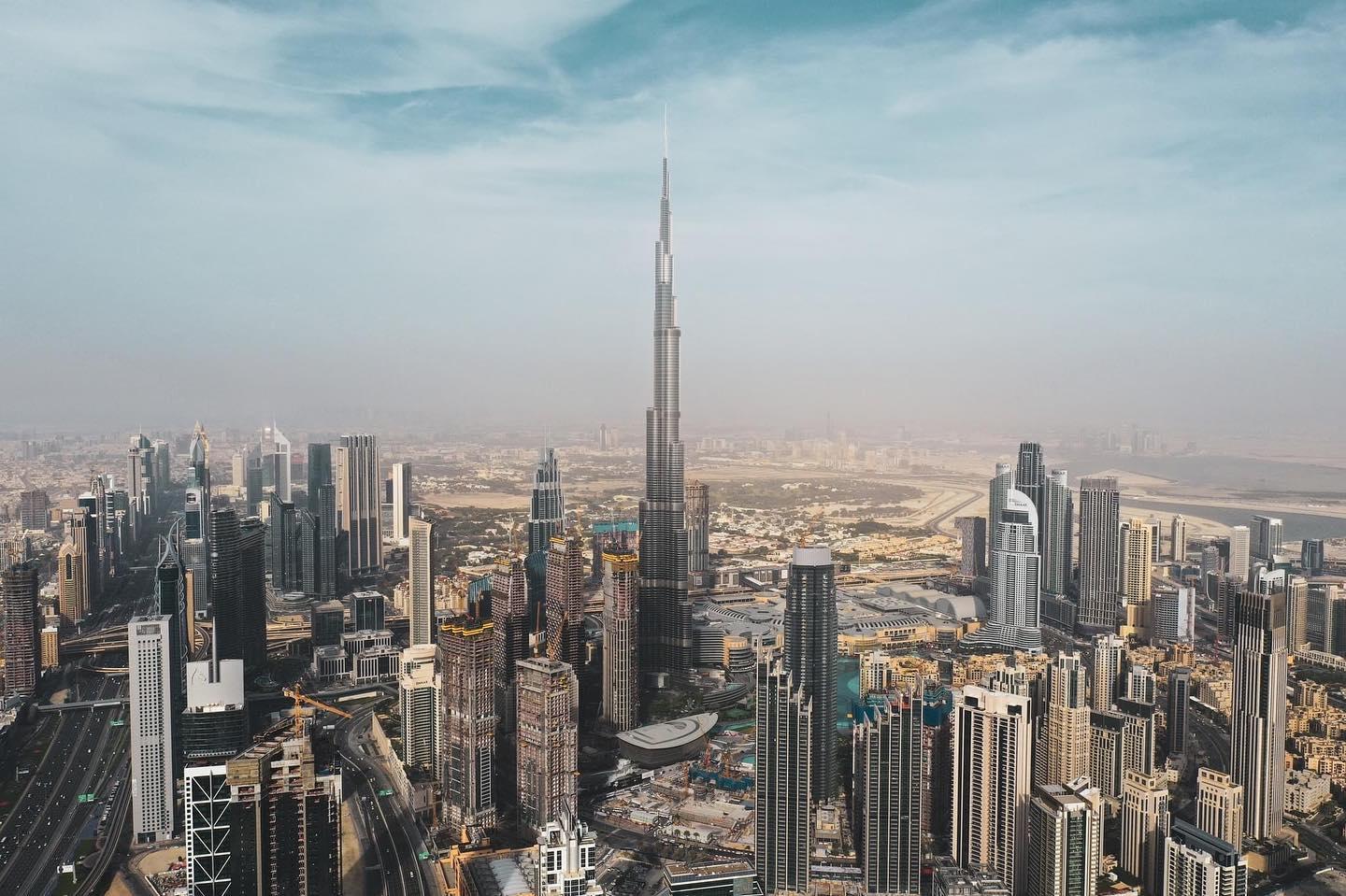
Technological advancements, urban lifestyle changes, and increased accessibility have contributed significantly to this global shift. Modern indoor practice environments provide controlled conditions, detailed swing analysis, and year-round convenience. The growing popularity of Indoor Golf Simulator Dubai facilities highlights how metropolitan regions are embracing innovative training solutions. As cities become more densely populated and schedules grow busier, indoor solutions offer a practical alternative for maintaining consistent training routines.
This article explores the reasons behind the rapid global growth of indoor golf practice, highlighting how technology, accessibility, lifestyle shifts, and training benefits are reshaping the way the sport is experienced.
Modern urban living has significantly influenced recreational habits. Many individuals now reside in metropolitan regions where space is limited and travel time can be lengthy. Reaching a traditional course may require hours of commuting, making frequent practice challenging.
Indoor facilities address this issue by bringing training opportunities closer to residential and commercial districts. Compact practice environments can operate inside shopping complexes, sports centers, office buildings, and private residences. This accessibility allows enthusiasts to practice regularly without planning long trips.
Busy professionals particularly benefit from these convenient setups. Short practice sessions can be scheduled before work, during breaks, or in the evening. As a result, indoor practice aligns perfectly with modern time-constrained lifestyles.
Weather conditions have always played a major role in outdoor sports participation. Rain, extreme heat, cold temperatures, or strong winds can disrupt practice sessions. For golfers seeking consistent improvement, such interruptions can slow progress.
Indoor practice environments eliminate weather-related limitations. Climate-controlled spaces ensure comfortable conditions regardless of seasonal changes. Players can maintain uninterrupted training schedules throughout the year, improving skills without delays.
This advantage has contributed greatly to the global popularity of indoor golf. In regions with harsh winters or intense summer temperatures, indoor practice provides a reliable alternative that supports continuous development.
One of the most significant factors behind the rise of indoor golf practice is technological innovation. Modern training systems use advanced sensors, motion tracking, and simulation software to provide accurate performance feedback.
These tools analyze multiple aspects of a swing, including speed, launch angle, ball trajectory, spin rate, and club path. Data collected during each shot helps players understand their technique with remarkable precision.
Detailed feedback allows individuals to identify weaknesses and make adjustments immediately. Instead of relying solely on observation, golfers can evaluate measurable performance metrics. This scientific approach accelerates learning and encourages more structured practice routines.
Furthermore, realistic simulation technology recreates famous courses and challenging terrains digitally. Players can experience diverse playing environments without traveling long distances, making practice both engaging and educational.
Urban expansion has reduced available land for large outdoor sports facilities in many regions. Traditional courses require extensive acreage, making development costly and impractical in crowded metropolitan areas.
Indoor practice facilities, however, occupy far smaller spaces. Compact installations can operate inside warehouses, commercial buildings, or private properties. Even residential apartments can accommodate simplified training setups.
This efficient use of space enables golf practice to expand into locations where full courses cannot exist. As a result, more individuals gain access to training opportunities within city environments.
Developers and property owners also find indoor installations attractive because they require significantly less land investment while still supporting recreational activities.
Many newcomers feel intimidated by traditional golf environments. Large courses often appear complex, and beginners may worry about slowing down experienced players during rounds.
Indoor practice environments create a more relaxed learning atmosphere. New participants can focus on mastering basic techniques without pressure from others waiting behind them. Controlled settings allow individuals to experiment freely while building confidence.
Training programs designed for beginners often include step-by-step guidance supported by performance analysis technology. Immediate feedback helps learners understand swing mechanics quickly.
This supportive environment has encouraged more people to explore the sport, contributing to the rapid growth of indoor golf practice worldwide.
Indoor golf spaces increasingly serve as social entertainment venues rather than purely athletic training facilities. Many locations combine practice technology with comfortable seating areas, refreshments, and interactive experiences.
Groups of friends, families, or colleagues gather to enjoy simulated rounds, friendly competitions, and skill challenges. This social dimension transforms golf into a shared recreational activity rather than an individual pursuit.
Corporate events, celebrations, and casual gatherings frequently incorporate indoor golf experiences. Such versatility attracts a wider audience beyond traditional enthusiasts, expanding the sport’s cultural reach.
The blend of entertainment and athletic skill has played a major role in boosting interest among younger generations.
Modern golf improvement relies heavily on accurate performance analysis. Indoor practice systems provide detailed metrics that help players refine technique efficiently.
Swing speed measurements reveal how much power a player generates. Launch angle statistics indicate whether the ball leaves the clubface at an optimal trajectory. Spin rate data influences distance and accuracy.
By reviewing this information after every shot, players gain a deeper understanding of how specific adjustments affect performance. Gradual improvements become easier to track over time.
Coaches also benefit from these tools, as they can evaluate student progress using objective data rather than subjective observation alone. This analytical approach enhances training quality and accelerates skill development.
Maintaining a full golf course requires significant resources. Land acquisition, landscaping, irrigation systems, and ongoing maintenance contribute to high operational expenses. These costs are often reflected in membership fees or green charges.
Indoor practice environments typically involve lower maintenance requirements. Once equipment installation is complete, operational costs remain comparatively manageable. As a result, many facilities offer affordable hourly practice sessions.
Players who cannot justify regular course fees may find indoor practice a cost-effective alternative. Additionally, beginners can refine fundamental techniques indoors before investing heavily in outdoor rounds.
This affordability has helped expand participation among broader audiences.
Outdoor golf involves various environmental variables such as wind direction, uneven terrain, and unpredictable weather. While these elements form part of the sport’s challenge, they can complicate early skill development. Training with the Best Golf Simulator helps eliminate many of these external factors by providing a controlled indoor environment where players can focus on technique, accuracy, and swing consistency without environmental interruptions.
Indoor practice settings offer controlled conditions that allow players to focus purely on technique. Consistent surfaces, stable lighting, and predictable ball behavior support focused training.
Safety also improves in enclosed environments. Practice areas are designed with protective screens and impact-resistant materials to prevent accidents. These precautions allow players to practice confidently without worrying about stray shots.
Controlled environments are particularly beneficial for beginners learning fundamental swing mechanics.
Golf performance depends not only on technique but also on physical conditioning. Strength, flexibility, and balance all influence swing efficiency.
Indoor practice environments often integrate fitness training areas where golfers can perform exercises designed to enhance athletic performance. Stretching routines, strength workouts, and mobility drills complement technical practice sessions.
Some training programs combine swing analysis with physical assessments to create comprehensive improvement plans. By addressing both technique and fitness, players achieve more balanced development.
This holistic approach has attracted individuals who view golf not only as recreation but also as part of an active lifestyle.
Another factor driving the rise of indoor golf practice is the increasing popularity of home training setups. Advances in compact simulation technology have made personal installations more accessible.
Enthusiasts can now transform spare rooms, garages, or basements into private practice spaces. Impact screens, tracking sensors, and projection systems allow realistic practice without leaving home.
Home setups provide unmatched convenience. Players can practice whenever time permits, eliminating travel entirely. Short daily sessions often produce better results than occasional long outings.
As technology continues to evolve and equipment becomes more affordable, home practice environments are expected to expand even further.
The digital nature of indoor golf technology resonates strongly with younger audiences who grew up surrounded by interactive entertainment. Simulation graphics, performance statistics, and competitive game modes create an engaging experience.
Players can participate in virtual tournaments, skill challenges, and multiplayer competitions. This gamified approach makes training feel dynamic and exciting.
Younger participants often appreciate the ability to track progress through measurable statistics. The combination of sports performance and digital interaction aligns perfectly with modern entertainment preferences.
As new generations embrace the sport through indoor environments, global participation continues to grow.
Sports centers, entertainment complexes, and fitness clubs around the world increasingly incorporate indoor golf installations. These facilities recognize the sport’s rising popularity and its ability to attract diverse audiences.
Urban regions in particular have embraced indoor practice as a way to offer golf experiences without requiring large land areas. From Asia to Europe and North America, the number of training locations continues to rise.
Tourism and hospitality sectors have also integrated indoor golf experiences within resorts and recreational venues. Visitors can enjoy simulated rounds regardless of travel destination or weather conditions.
This widespread expansion has played a crucial role in establishing indoor golf practice as a global phenomenon.
Traditional golf courses require significant water usage, landscaping maintenance, and chemical treatments to maintain turf quality. In regions facing environmental challenges, these requirements raise sustainability concerns.
Indoor practice environments consume fewer natural resources. Artificial surfaces eliminate the need for irrigation, while compact facilities reduce land disruption.
Although energy consumption remains a factor due to electronic equipment, many facilities are adopting efficient lighting systems and climate control technology to minimize environmental impact.
This shift toward more sustainable training solutions aligns with growing awareness about ecological responsibility.
Indoor golf practice has rapidly evolved from a niche training method into a global movement transforming how the sport is learned and enjoyed. Advances in technology, changing lifestyles, urban development, and increased accessibility have all contributed to its remarkable growth.
Climate-controlled environments allow year-round training, while sophisticated performance analysis tools provide valuable insights that accelerate skill improvement. Social entertainment elements attract new audiences, and compact facilities bring golf experiences into city environments where traditional courses are limited.
The rise of home practice setups and interactive digital features further demonstrates how innovation continues to reshape the sport. As technology improves and accessibility expands, indoor golf practice is likely to remain a significant part of the game’s future.
By blending athletic development, convenience, and entertainment, indoor golf has created an inclusive pathway for enthusiasts around the world to experience and improve their skills regardless of location or season.