Plywood Industry Outlook: Construction Boom Fuels Global Demand Surge
The global plywood market is entering a transformative growth phase, driven by rapid urbanization, infrastructure expansion, and evolving consumer preferences toward sustainable and cost-effective materials. As economies worldwide invest heavily in construction and interior development, plywood has emerged as a critical material bridging affordability, durability, and versatility.
According to insights from Renub Research, the global plywood market is projected to rise significantly from US$ 52.74 billion in 2025 to US$ 81.33 billion by 2034, registering a compound annual growth rate (CAGR) of 4.93% between 2026 and 2034 . This steady upward trajectory underscores plywood’s growing importance across construction, furniture, and interior design industries
Download Free Sample Report:https://www.renub.com/request-sample-page.php?gturl=global-plywood-market-p.php
.
Understanding Plywood: A Modern Engineered Wood Solution
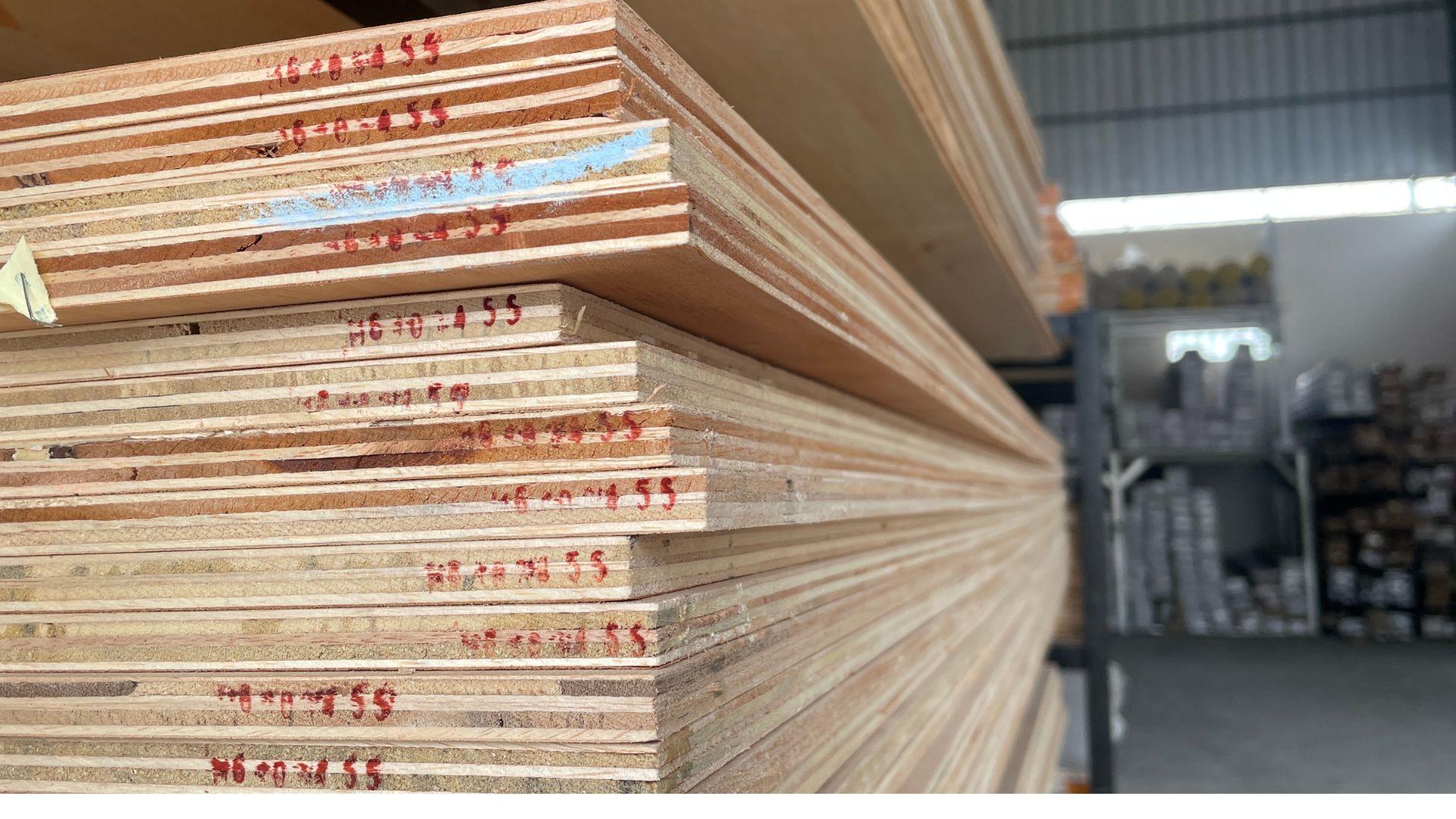
Plywood is an engineered wood product manufactured by bonding multiple thin layers—or plies—of wood veneer. These layers are arranged with alternating grain directions, enhancing strength, durability, and resistance to cracking. This structural advantage has made plywood a preferred alternative to traditional solid wood.
Its versatility allows it to be used in a wide range of applications, including construction frameworks, flooring systems, furniture manufacturing, wall paneling, and decorative elements. Additionally, plywood’s cost-effectiveness and ease of customization have significantly boosted its global adoption.
Market Growth Drivers Shaping the Industry
1. Construction and Infrastructure Expansion
One of the primary forces behind plywood market growth is the surge in global construction activities. Rapid urbanization, especially in developing economies, has led to increased demand for residential housing, commercial buildings, and infrastructure projects.
Plywood is extensively used in construction due to its strength, flexibility, and cost efficiency. Governments promoting affordable housing schemes and smart city projects have further accelerated its demand. Large-scale infrastructure developments, including industrial facilities and transport networks, continue to create new growth avenues.
Notably, ongoing global projects and investments in construction are expected to sustain this demand momentum for years to come, positioning plywood as a core material in modern building practices.
2. Rising Demand from Furniture and Interior Design
The furniture and interior design industries are key contributors to the plywood market’s expansion. Plywood is widely used in manufacturing cabinets, wardrobes, beds, tables, and modular furniture due to its uniform strength and ease of machining.
Changing consumer lifestyles, rising disposable incomes, and increasing urban housing trends have led to greater spending on home décor and interior furnishings. The popularity of ready-to-assemble furniture and modular designs has further amplified demand.
Moreover, the material’s ability to combine aesthetics with durability makes it a preferred choice among designers and manufacturers seeking both functionality and visual appeal.
3. Shift Toward Sustainable and Engineered Materials
Environmental awareness is playing a pivotal role in shaping market trends. Plywood is considered a more sustainable alternative to solid wood because it utilizes less raw timber during production.
As global concerns about deforestation and climate change intensify, industries are increasingly adopting eco-friendly materials. Plywood aligns with these sustainability goals, offering efficient resource utilization and reduced environmental impact.
Manufacturers are also innovating with fire-resistant, waterproof, and high-strength variants, enhancing plywood’s appeal across multiple sectors.
Emerging Trends in the Global Plywood Market
Innovation in Product Development
Technological advancements are leading to the development of high-performance plywood products. Enhanced variants with features such as thermal resistance, reduced weight, and increased strength are gaining traction in both construction and industrial applications.
These innovations are helping manufacturers differentiate their offerings and meet evolving industry standards, particularly in safety and durability.
Growth of Modular and Prefabricated Construction
The rise of modular construction techniques is another significant trend boosting plywood demand. Prefabricated buildings rely heavily on materials that are lightweight, durable, and easy to install—qualities that plywood delivers effectively.
This trend is particularly prominent in urban areas where rapid construction timelines and cost efficiency are critical.
Increasing Use in Decorative Applications
Beyond structural uses, plywood is gaining popularity in decorative applications such as wall paneling, ceilings, and customized interior designs. Consumers and businesses are increasingly investing in aesthetically appealing spaces, further driving demand for decorative plywood.
Market Challenges and Constraints
Raw Material Price Volatility
One of the major challenges facing the plywood market is the fluctuation in raw material prices, particularly timber. Restrictions on deforestation and limited availability of wood resources can lead to supply constraints and increased production costs.
These fluctuations impact manufacturers’ profit margins and can affect market stability.
Competition from Alternative Materials
Plywood faces competition from alternative materials such as medium-density fiberboard (MDF), particleboard, and plastic composites. These alternatives may offer cost advantages or specific performance benefits, posing a challenge to plywood manufacturers.
Regulatory Pressures
Stringent regulations related to emissions, particularly formaldehyde content in adhesives, are influencing production processes. Compliance with environmental and safety standards requires continuous innovation and investment in advanced technologies.
Segment Insights: Key Areas of Demand
Hardwood Plywood
Hardwood plywood is widely used in applications requiring high strength and durability, such as flooring, construction, and transportation. Its superior load-bearing capacity makes it ideal for heavy-duty uses.
MR Grade (Moisture Resistant) Plywood
MR grade plywood is commonly used in interior applications where occasional exposure to moisture is expected. Its cost-effectiveness and versatility make it a popular choice for furniture, cupboards, and partitions.
Fire-Resistant Plywood
With increasing safety regulations, fire-resistant plywood is gaining importance, particularly in commercial buildings, high-rise constructions, and public infrastructure projects.
Furniture Plywood
The furniture segment remains a dominant contributor to market demand. The growing popularity of modular and ready-to-assemble furniture continues to drive consumption.
Decorative Plywood
Decorative plywood is witnessing rising demand due to increasing consumer focus on aesthetics and interior design. It is widely used in wall décor, ceilings, and customized furniture.
Regional Analysis: Global Market Landscape
United States
The United States represents a mature and stable market, driven by strong demand from residential construction and renovation activities. The emphasis on sustainable building materials and disaster-resistant housing further supports plywood consumption.
United Kingdom
In the UK, plywood demand is fueled by construction, refurbishment projects, and furniture manufacturing. Government initiatives promoting energy-efficient and sustainable buildings are also influencing market growth.
India
India is emerging as a high-growth market for plywood, supported by rapid urbanization, population growth, and expanding real estate activities. Rising living standards and increased demand for furniture and interior décor are key growth drivers.
The establishment of new manufacturing facilities and investments in sustainable production further highlight the country’s potential as a major plywood market.
Saudi Arabia
Saudi Arabia’s plywood market is benefiting from large-scale construction projects under national development programs. Investments in housing, tourism, and industrial infrastructure are expected to sustain demand in the coming years.
Competitive Landscape
The global plywood market is highly competitive, with key players focusing on product innovation, sustainability, and strategic expansions. Companies are investing in advanced manufacturing technologies and eco-friendly solutions to strengthen their market position.
Major players include Boise Cascade, Weyerhaeuser Company, UPM-Kymmene, PotlatchDeltic Corporation, Metsä Board, Century Plyboards Ltd, and Greenply Industries Ltd.
These companies are leveraging their expertise to cater to diverse applications while addressing regulatory and environmental challenges.
Future Outlook: A Market Poised for Stability and Innovation
The future of the plywood market appears promising, with steady growth expected over the next decade. The combination of infrastructure development, rising consumer demand for furniture, and increasing focus on sustainability will continue to drive market expansion.
Technological advancements and product innovations will play a crucial role in shaping the industry’s future. Manufacturers that adapt to changing regulations and invest in eco-friendly solutions are likely to gain a competitive edge.
Final Thoughts
The global plywood market stands at the intersection of tradition and innovation. While rooted in the long-standing use of wood, it is evolving rapidly to meet modern demands for sustainability, efficiency, and design flexibility.
With a projected market size of over US$ 81 billion by 2034, the industry offers significant opportunities for growth and investment . However, navigating challenges such as raw material constraints and regulatory pressures will require strategic planning and continuous innovation.
As construction, furniture, and interior design industries continue to expand, plywood is set to remain a cornerstone material—reliable, adaptable, and increasingly aligned with the global push toward sustainable development.
 English
 Arabic
 French
 Spanish
 Portuguese
 Deutsch
 Turkish
 Dutch
Dutch
 Italiano
 Russian
 Romaian
 Portuguese (Brazil)
 Greek
Greek