English
 Arabic
 French
 Spanish
 Portuguese
 Deutsch
 Turkish
 Dutch
Dutch
 Italiano
 Russian
 Romaian
 Portuguese (Brazil)
 Greek
Greek
Latest Golden Goose Shoes Outlet
Shopping |
2025-11-16 10:12:06
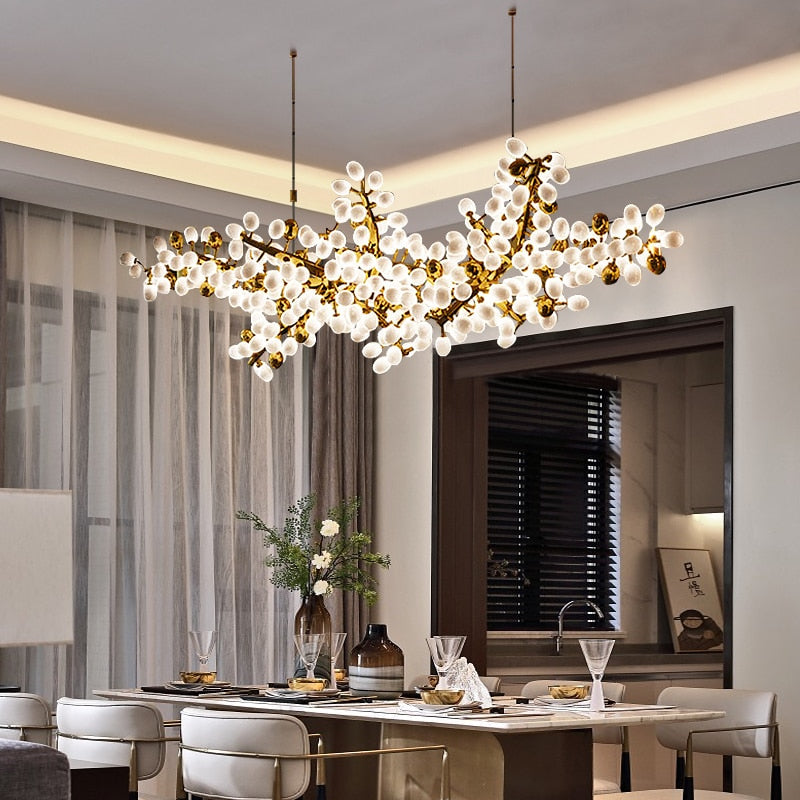
The living room is often considered the heart of a home. It is the place where families gather, guests are welcomed, conversations happen, and relaxation takes place after a long day. While furniture, colors, and décor play important roles in shaping the atmosphere, illumination has one of the strongest influences on how the space feels. The right arrangement of lights can transform an ordinary area into a warm retreat, an energetic entertainment zone, or a calm sanctuary.
Understanding how brightness, color temperature, positioning, and style interact can help create the perfect ambiance for any living room. Thoughtful planning allows homeowners to enhance comfort, highlight design features, and support different activities within the same environment.
Light affects human emotions more than many people realize. Brightness levels and color tones influence how individuals feel inside a room. Warm, gentle glow tends to create a relaxed atmosphere, encouraging conversation and comfort. Cooler tones with higher intensity can stimulate alertness and focus.
In living areas where multiple activities take place, using different illumination layers allows flexibility. Soft ambient glow can encourage relaxation during evenings, while brighter settings may support reading, games, or social gatherings. By adjusting lighting elements, the mood of the room can shift easily throughout the day.
Daylight plays an essential role in setting the tone of any interior space. Large windows, glass doors, and skylights allow sunlight to enter and brighten the living area naturally. Sunlight enhances colors, highlights textures, and gives the room a lively, welcoming feeling.
Positioning seating near windows can create a pleasant daytime environment where family members enjoy fresh brightness while relaxing. Curtains and blinds help control intensity, allowing homeowners to soften strong midday rays while still maintaining natural illumination.
Mirrors and reflective surfaces can also help spread daylight across the room, making the space appear larger and more open. When sunlight fades in the evening, artificial sources step in to maintain comfort and visibility.
Ambient illumination forms the base layer of lighting in a living room. It provides overall brightness that allows people to move around comfortably and see the surroundings clearly. This layer often comes from ceiling fixtures, recessed lights, or large overhead installations.
Even distribution of this base layer prevents harsh shadows and creates balanced brightness across the space. Instead of relying on a single source, spreading multiple fixtures across the ceiling helps maintain a smooth and pleasant glow.
Ambient lighting should feel comfortable rather than overpowering. Soft, evenly spread illumination establishes a calm environment while allowing other lighting layers to enhance specific areas.
Living rooms often serve many purposes, from reading and studying to hobbies and entertainment. Task lighting focuses brightness on specific activities that require concentration.
Reading corners benefit from adjustable lamps placed beside sofas or armchairs. Directional light ensures that books or screens are visible without straining the eyes. Table lamps near seating areas also provide comfortable brightness for writing, crafts, or board games.
By concentrating illumination where it is needed most, task lighting improves practicality while maintaining a cozy background atmosphere.
Accent illumination adds visual interest by emphasizing architectural details, artwork, or decorative elements. It directs attention toward specific features within the living room.
Wall-mounted fixtures can create soft highlights along textured surfaces. Small spotlights can showcase paintings or sculptures. Hidden LED strips behind shelves or cabinets add depth and dimension.
Accent lighting introduces contrast and variety, preventing the space from feeling flat or monotonous. Carefully placed highlights draw the eye and add sophistication to the interior design.
Color temperature refers to the tone of light emitted by bulbs. It ranges from warm yellow hues to cool bluish tones. Each range influences mood differently.
Warm tones create a comfortable and intimate environment, making them ideal for relaxation areas. These tones often resemble the gentle glow of sunset or candlelight, which naturally encourages calmness.
Neutral tones provide balanced illumination suitable for general living spaces. They maintain clarity without feeling too harsh or too dim.
Cool tones produce crisp brightness that supports focus and alertness. Although these tones are more common in offices or kitchens, they can be useful in living areas that double as workspaces.
Selecting the appropriate color temperature helps establish the desired emotional atmosphere.
Flexibility is essential for creating a dynamic living environment. Dimmer switches allow homeowners to control brightness levels according to the time of day or the activity taking place.
During social gatherings, brighter settings create an energetic and lively environment. In the evening, reduced brightness encourages relaxation and quiet conversation.
Adjustable systems also help conserve energy by allowing users to lower intensity when full brightness is unnecessary. This adaptability ensures that the living room remains comfortable in various situations.
One of the most effective strategies in interior illumination design is layering multiple types of light. Instead of relying on a single overhead fixture, combining ambient, task, and accent lighting creates depth and balance.
Layered lighting allows each section of the room to serve a different purpose while maintaining visual harmony. A ceiling fixture may provide general brightness, while lamps near seating create intimate pockets of light.
Accent elements add dramatic highlights that enhance architectural beauty or decorative objects. Together, these layers work to create a dynamic environment that feels both functional and inviting.
Where light sources are positioned can influence how large or small a living room appears. Strategic placement can visually expand or reshape the space.
Wall-mounted fixtures that direct light upward can make ceilings appear higher. Floor lamps placed in corners brighten darker areas and prevent the room from feeling cramped. Illuminating vertical surfaces can also create the illusion of greater depth.
Proper placement ensures that every corner of the room contributes to a balanced and open atmosphere.
Lighting fixtures themselves can serve as artistic elements within interior design. Stylish chandeliers, sculptural lamps, or modern ceiling installations can become focal points that enhance the overall décor.
The design of these fixtures should complement furniture styles, color palettes, and architectural themes. A contemporary room might feature sleek geometric shapes, while traditional spaces may include more ornate forms.
Decorative lighting combines functionality with aesthetics, allowing illumination to contribute to the room’s visual identity.
Living rooms frequently host celebrations, movie nights, or casual gatherings with friends. Lighting choices can greatly influence the success of these events.
Soft background illumination encourages relaxed conversation, while accent lighting highlights decorative elements or display shelves. For movie viewing, dimmed ambient lighting reduces glare while maintaining enough brightness for comfortable movement.
Adjustable systems allow homeowners to create a lively atmosphere for parties or a cozy setting for quiet evenings.
Modern lighting technology emphasizes energy efficiency without sacrificing quality. LED bulbs, for example, provide long-lasting illumination while consuming less electricity.
Efficient lighting not only reduces energy costs but also contributes to environmentally responsible living. Choosing long-lasting bulbs and energy-saving fixtures helps minimize waste and maintenance.
Smart systems that automatically adjust brightness based on time or occupancy further enhance efficiency while maintaining comfort.
Advancements in technology have introduced smart lighting systems that can be controlled through mobile applications or voice commands. These systems allow users to adjust brightness, color temperature, and schedules easily.
With programmable settings, homeowners can create specific lighting scenes for different occasions. One setting might provide bright illumination for daytime activities, while another creates a warm, relaxing environment for evening relaxation.
Automation adds convenience while improving the overall functionality of the living room.
Every household has unique preferences regarding comfort and style. Some individuals prefer bright and lively interiors, while others enjoy soft, calming environments.
Lighting design should reflect these personal tastes while supporting daily activities. Experimenting with different arrangements, brightness levels, and color tones helps determine the most satisfying combination.
Small changes, such as repositioning a lamp or adjusting brightness, can dramatically alter the atmosphere without requiring major renovations.
Lighting has the remarkable ability to transform the mood and functionality of a living room. Through thoughtful selection of brightness levels, color temperatures, fixture styles, and placement strategies, homeowners can shape the atmosphere to suit various activities and emotions.
From relaxing evenings to lively social gatherings, the right illumination ensures that the living space remains comfortable, visually appealing, and versatile. By layering ambient, task, and accent lighting, adjusting brightness, and incorporating decorative fixtures, any living room can become a welcoming environment that reflects both style and personality.
Ultimately, lighting is more than a practical necessity—it is a powerful design element capable of enhancing mood, highlighting beauty, and bringing life to the heart of the home.