English
 Arabic
 French
 Spanish
 Portuguese
 Deutsch
 Turkish
 Dutch
Dutch
 Italiano
 Russian
 Romaian
 Portuguese (Brazil)
 Greek
Greek
Latest Maison Margiela Sneakers Outlet
Shopping |
2025-11-19 11:18:14
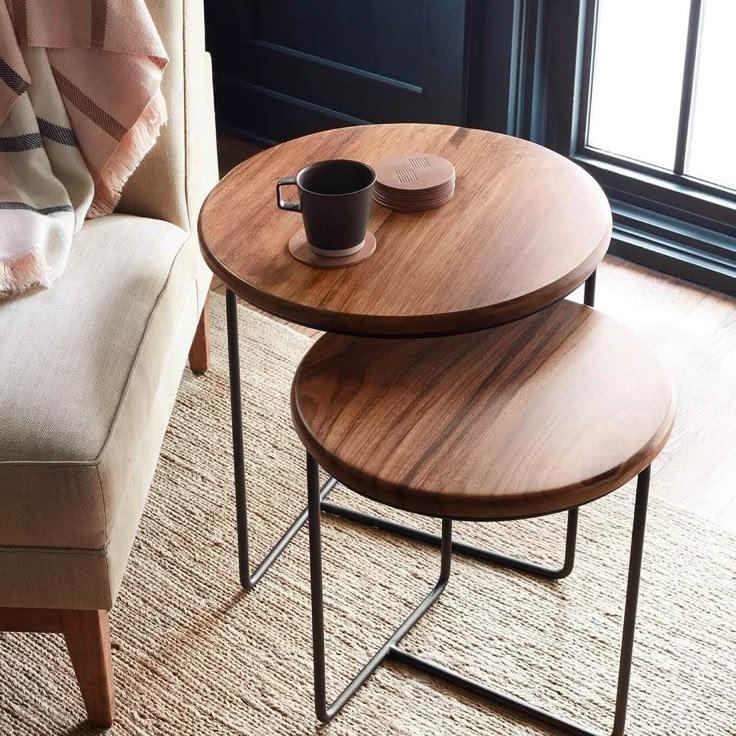
A well-designed living area depends on balance, harmony, and thoughtful furniture selection. Among all pieces placed in a lounge space, the coffee table plays an essential role in both functionality and appearance. Positioned at the center of seating arrangements, this furnishing connects sofas, chairs, and décor elements into one cohesive environment. Selecting the right option that complements a sofa requires careful consideration of proportion, material, style, color, and practicality.
Many homeowners focus primarily on choosing an attractive couch, yet overlook the importance of pairing it with a suitable table. When both pieces work together, the room feels complete and comfortable. This guide explains how to choose a coffee table that enhances your sofa while improving convenience and overall visual appeal.
Furniture pieces within a living room should create a unified composition. A coffee table placed beside or in front of a sofa becomes an anchor for the seating area. Without proper coordination, the layout may appear unbalanced or awkward.
The relationship between these two elements involves scale, shape, design theme, and spacing. When chosen correctly, the table not only provides a place for beverages, books, or decorative accessories but also enhances the sofa’s presence. Matching does not necessarily mean identical style or color; rather, the goal is complementary harmony that supports the room’s design concept. Today, Online Furniture Shopping Abu Dhabi makes it easier to explore a wide range of tables and sofas, helping homeowners find pieces that perfectly balance style, function, and interior harmony.
Dimensions are one of the most important factors when pairing a table with a sofa. Incorrect proportions can disrupt the layout and reduce comfort.
A widely accepted guideline suggests that a coffee table should measure roughly two-thirds the length of the sofa. This proportion ensures the piece fits naturally within the seating zone without appearing too small or excessively large.
For example, if a sofa measures ninety inches, an appropriate table might range around sixty inches. This proportion maintains visual balance while leaving enough room for movement.
Height also influences comfort and practicality. Ideally, the tabletop should align with the sofa seat cushions or sit slightly lower. This allows easy access to items placed on the surface without requiring awkward bending or stretching.
If the table rises too high, it may feel intrusive; if positioned too low, functionality becomes limited. Achieving near-equal elevation creates an ergonomic and visually pleasing arrangement.
Proper spacing ensures smooth movement around the seating zone. A distance of approximately sixteen to eighteen inches between sofa edge and table offers comfortable reach while allowing enough legroom for guests.
Adequate clearance also maintains traffic flow, preventing the living room from feeling crowded.
Shape greatly influences how furniture interacts within a room. The ideal form depends on the sofa design, room size, and layout configuration.
Rectangular options are among the most common selections. Their elongated structure works particularly well with standard sofas or sectional arrangements. This form mirrors the long silhouette of seating units, creating visual alignment.
Rectangular pieces also provide generous surface area for decorative items, trays, magazines, and refreshments.
Circular coffee tables offer a softer appearance and help balance rooms filled with straight lines. When paired with a structured sofa featuring sharp angles, a rounded piece introduces contrast and visual interest.
Another advantage involves safety. Homes with children often benefit from curved edges, reducing the chance of accidental bumps.
Oval shapes combine benefits of both rectangular and circular designs. They provide extended surface area while maintaining smooth edges. This type works particularly well in narrow living spaces where sharp corners may interrupt movement.
Square tables suit large seating configurations such as sectional sofas arranged in L-shapes or U-shapes. Their symmetrical form fills the central area effectively, ensuring equal reach from multiple seating positions.
Material selection strongly influences durability, maintenance requirements, and visual style. Choosing the right material helps the table blend seamlessly with the sofa’s upholstery and the surrounding décor.
Wood remains a timeless choice for coffee tables due to its natural warmth and versatility. Various finishes allow homeowners to match or contrast with sofa fabrics.
Dark wood surfaces pair beautifully with neutral couches, creating a sophisticated atmosphere. Lighter tones complement modern interiors while adding brightness to compact rooms.
Glass tables introduce a sense of openness and lightness. Transparent surfaces allow visibility through the structure, making them ideal for smaller living rooms where bulky furniture might appear overwhelming.
When combined with fabric sofas, glass adds elegance while maintaining a modern aesthetic.
Metal structures provide durability along with a sleek contemporary appearance. Steel, brass, or aluminum bases often support wooden or glass tops, producing attractive combinations of materials.
This option suits modern interiors where clean lines and industrial influences dominate the design theme.
Stone surfaces such as marble deliver luxury and sophistication. Their natural patterns create unique visual statements within the living room. Pairing a marble tabletop with a simple sofa can elevate the overall atmosphere, transforming a basic arrangement into a refined setting.
However, heavier materials require careful placement since relocation may be challenging.
Color harmony helps create a cohesive interior environment. While exact matching is not necessary, the table should complement the sofa’s shade and surrounding décor palette.
Selecting colors that complement the sofa can highlight both pieces effectively. For instance, a light-colored couch pairs beautifully with darker wooden surfaces, generating contrast that attracts attention.
Conversely, deep-toned upholstery may benefit from lighter tabletops that brighten the arrangement.
Neutral shades such as beige, gray, white, and natural wood tones work well in most living rooms. Choosing a neutral coffee table allows flexibility in decorating since it blends easily with different sofa styles and seasonal accessories.
For homeowners seeking a dramatic focal point, a vibrant coffee table can introduce character into the space. Bright colors, patterned surfaces, or unusual finishes draw attention and energize the seating area. This approach works best when the sofa features subtle tones that allow the table to stand out.
Every living room reflects a specific design theme. Selecting a coffee table aligned with that aesthetic ensures the sofa and surrounding furnishings appear cohesive.
Modern spaces emphasize minimalism, clean geometry, and simple surfaces. Coffee tables suited for contemporary interiors often feature sleek metal frames, glass tops, or lacquered finishes.
When paired with streamlined sofas, these designs maintain a sophisticated yet uncluttered atmosphere.
Traditional interiors celebrate elegance and classic craftsmanship. Wooden tables featuring carved details or rich finishes complement upholstered sofas with plush cushions and decorative fabrics.
These combinations create a warm and welcoming environment ideal for relaxed gatherings.
Rustic décor highlights natural textures and earthy tones. Coffee tables made from reclaimed wood or distressed finishes pair beautifully with comfortable sofas upholstered in linen or cotton fabrics.
The result is a cozy atmosphere that emphasizes authenticity and charm.
Industrial design incorporates metal structures, exposed hardware, and raw materials. Tables with steel frames and wooden surfaces match perfectly with simple sofas featuring neutral upholstery.
This style often suits urban apartments where modern simplicity blends with rugged character.
While visual appeal remains important, practicality should never be overlooked. Coffee tables often serve multiple purposes beyond decoration.
Many designs include shelves, drawers, or compartments for storing magazines, remote controls, blankets, or small accessories. These features help maintain an organized living room while keeping essential items within reach.
Storage-friendly tables work especially well in compact apartments where space efficiency matters.
Some coffee tables offer adjustable heights or lift-top surfaces that transform into workstations or dining platforms. These innovative options support modern lifestyles where living rooms often double as offices or casual dining areas.
If flexibility matters, selecting a lighter structure allows easy repositioning. Movable tables can adapt to gatherings, movie nights, or social occasions where extra floor space becomes necessary.
Balance is essential for a harmonious living space. The coffee table should neither overpower the sofa nor disappear within the arrangement.
A table significantly larger than the sofa may dominate the room and restrict movement. Ensuring proper scale keeps the layout comfortable and visually balanced.
Similarly, a table that appears too small might seem insignificant within the seating area. Adequate surface space ensures both functionality and visual presence.
Positioning decorative items such as books, trays, candles, or plants on the tabletop can enhance balance. Thoughtful arrangement ensures the surface remains organized rather than cluttered.
Living room layouts vary widely depending on architectural structure and furniture arrangement. Before purchasing a coffee table, consider how the piece will interact with existing pathways.
Large rectangular tables suit spacious rooms where movement remains unrestricted. Smaller round designs may work better in compact apartments where circulation space is limited.
Ensuring smooth traffic flow helps maintain comfort and convenience for everyone using the room.
A coffee table encourages conversation and relaxation by serving as a shared surface for guests. Whether holding beverages during gatherings or displaying decorative objects, it brings people together within the seating area.
Choosing a design that aligns with sofa placement ensures easy access for everyone sitting nearby. Proper positioning encourages natural interaction, enhancing the living room’s welcoming atmosphere.
Once the right table is selected, thoughtful styling can elevate the entire seating area. Decorative elements help express personality and add visual interest.
Common styling ideas include placing stacked books, ceramic vases, small sculptures, candles, or indoor plants. A decorative tray can group smaller items together while maintaining an organized appearance. A Dining Table can also be styled in a similar way, using elegant centerpieces, floral arrangements, or decorative bowls to create a welcoming and visually balanced dining space.
Balancing decorative accents with functional space ensures the table remains practical while still enhancing visual appeal.
Investing in a durable coffee table ensures lasting value. Materials such as solid wood, tempered glass, and metal frames often withstand everyday use better than fragile alternatives.
Regular cleaning and care maintain appearance over time. Protective pads, coasters, and gentle cleaning products help preserve surfaces from stains or scratches.
Choosing high-quality construction ensures the table continues complementing the sofa for many years.
Selecting the right coffee table to match your sofa requires more than choosing an attractive piece of furniture. Successful pairing involves careful attention to size, height, shape, material, color coordination, and design style. When these elements align correctly, the living room becomes both functional and visually harmonious.
A thoughtfully chosen coffee table enhances the comfort of the seating area while adding personality and elegance to the space. By considering proportion, layout, and lifestyle needs, homeowners can create a balanced environment where furniture works together seamlessly.
Ultimately, the perfect combination of sofa and coffee table transforms a simple seating arrangement into the centerpiece of a welcoming and stylish living room.